CM Dhami Reaches Piplakoti to Oversee Tunnel Rescue Op
Synopsis
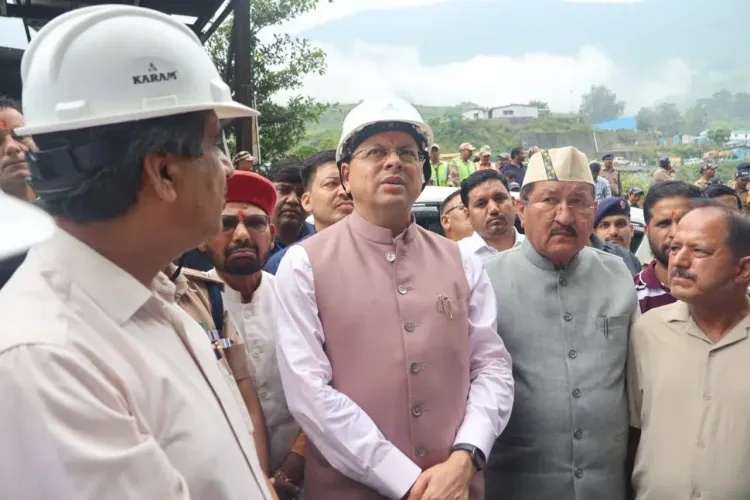
Chief Minister Pushkar Singh Dhami reached Piplakoti on August 14, 2026, braving severe weather, to conduct an on-site inspection of a tunnel rescue operation. He briefed all agencies — NDRF, SDRF, police and administration — and met rescued workers, declaring every trapped worker's safe evacuation the government's top priority.
Key Takeaways
CM Pushkar Singh Dhami arrived at Piplakoti on August 14, 2026 under severe weather conditions to personally monitor the tunnel rescue.
The helicopter landing at Piplakoti was described as extremely difficult due to adverse weather.
Dhami was briefed by all deployed agencies: district administration, police, SDRF, and NDRF .
Some injured workers have already been rescued; the CM met them to check on their well-being.
The government has declared the safe evacuation of every remaining trapped worker its 'highest priority,' with all agencies operating on a war footing.
The operation follows upgraded multi-agency protocols shaped by the 2023 Silkyara tunnel collapse , in which 41 workers were trapped for 17 days.
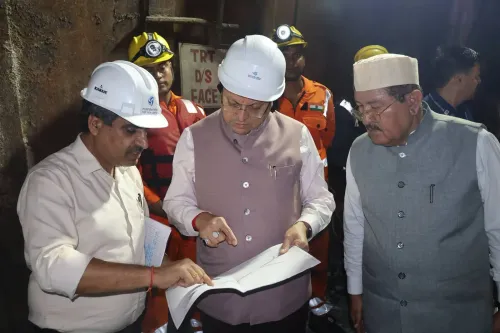
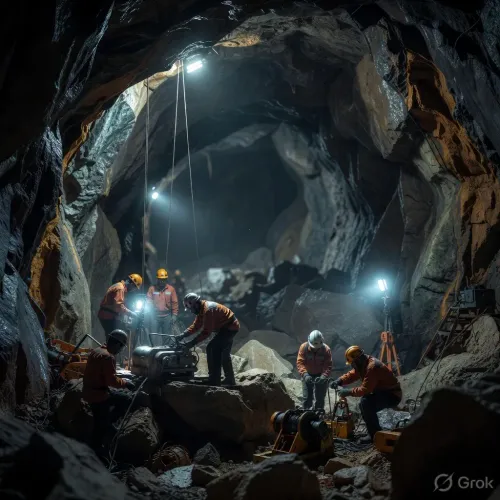
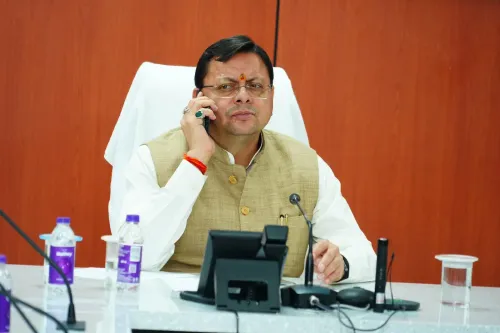
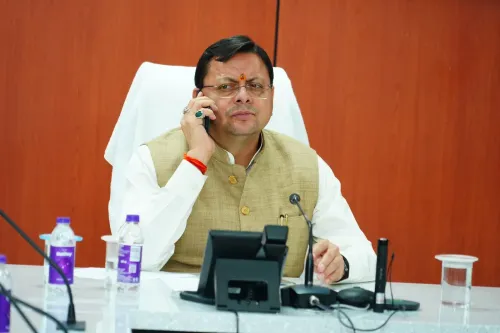
Braving severe weather that made even the helicopter landing a near-impossible feat, Chief Minister Pushkar Singh Dhami touched down at Piplakoti, Uttarakhand, on Friday, August 14, 2026, to personally oversee the ongoing rescue operation for workers trapped inside a tunnel. The Chief Minister's Office confirmed the visit, underscoring that getting every trapped worker out safely is the government's 'highest priority.'
A Difficult Landing, a Deliberate Signal
The flight itself told the story. Adverse weather forced the helicopter carrying CM Dhami to land under extremely difficult conditions at Piplakoti — a small town in Chamoli district in the high Himalayas. The decision to push through the weather was deliberate: when workers are trapped underground, the presence of the state's top executive at the site is both operational and symbolic. Yuddha-star par — war footing — is how the government described the pace of the agencies on the ground.
NDRF, SDRF, Police and Administration — All Under One Briefing
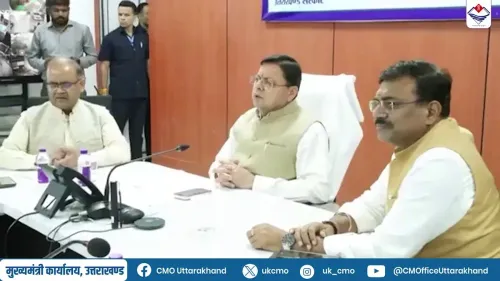
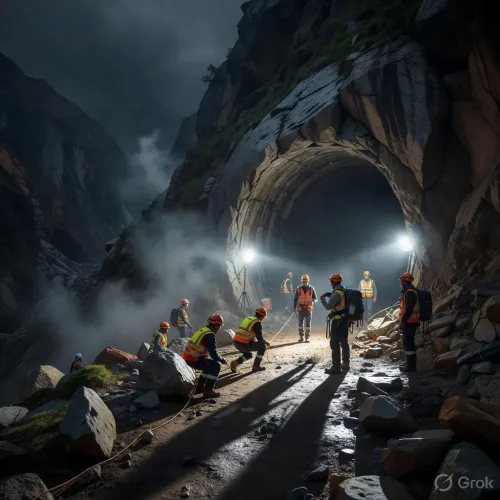
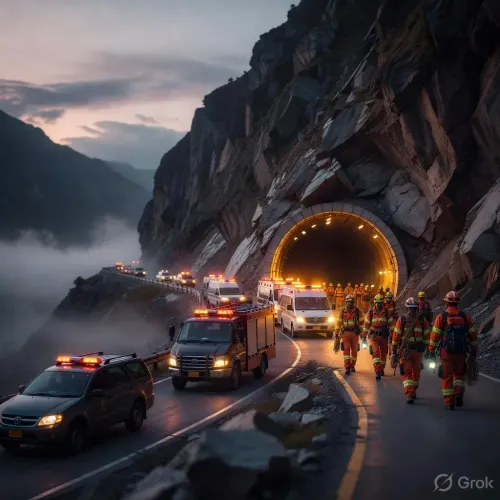
On arrival, CM Dhami was scheduled to conduct an on-site inspection of the rescue operation and receive a full progress briefing from all agencies deployed — including the district administration, police, the State Disaster Response Force (SDRF), and the National Disaster Response Force (NDRF). After the briefing, he was to issue fresh operational directives. The multi-agency coordination model mirrors protocols reinforced after the 2023 Silkyara tunnel collapse, when 41 workers were trapped for 17 days before being brought out safely — a rescue that reshaped how Uttarakhand manages underground emergencies.
Workers Already Rescued — and Those Still Waiting
The post confirms that some injured workers have already been pulled out. CM Dhami planned to meet those rescued workers personally to inquire about their well-being — a gesture that signals both political accountability and ground-level attention. The focus, however, remains on those still inside: the Chief Minister's Office stated in unambiguous terms that evacuating every remaining trapped worker is the government's singular, top-order priority.
Why Uttarakhand Keeps Facing This Test
Uttarakhand's Himalayan geography makes large-scale tunneling unavoidable — road connectivity in the region depends on it. But the same terrain that demands tunnels also makes them dangerous: unstable geology, heavy monsoon-season rainfall, and sudden weather shifts are recurring hazards. Each major incident has added a layer to the state's rescue playbook. The Silkyara episode in particular put India's tunnel-safety infrastructure under a global spotlight and pushed both central and state agencies toward faster, better-coordinated response frameworks. This rescue is another test of that framework — in real time, in bad weather, with lives at stake.
The rescue operation continues. Every hour matters underground.
Point of View
Not optional. The move reinforces the state government's framing of disaster response as a direct accountability issue for elected leadership, not just an administrative function. For the BJP government in Dehradun, visible, on-ground crisis management also carries electoral weight in a state where infrastructure accidents have historically tested public confidence. The broader pattern — recurring tunnel incidents in a terrain-driven infrastructure push — points to an unresolved tension between the developmental imperative of Himalayan connectivity and the geological risks that come with it.
NationPress
14 Aug 2026
Frequently Asked Questions
What happened at Piplakoti tunnel in Uttarakhand?
Workers were trapped inside a tunnel near Piplakoti in Chamoli district, Uttarakhand, triggering a multi-agency rescue operation involving NDRF, SDRF, police, and district administration. Chief Minister Pushkar Singh Dhami flew to the site on August 14, 2026, to personally oversee the rescue.
Why did CM Dhami visit Piplakoti on August 14?
CM Dhami visited Piplakoti to conduct an on-site inspection of the tunnel rescue operation, receive progress briefings from all deployed agencies, issue fresh directives, and personally meet workers who had already been rescued.
Which agencies are involved in the Piplakoti tunnel rescue?
The rescue operation involves the National Disaster Response Force (NDRF), State Disaster Response Force (SDRF), Uttarakhand Police, and district administration, all coordinating on what the government described as a war footing.
How does the Piplakoti rescue relate to the 2023 Silkyara tunnel collapse?
After the 2023 Silkyara collapse trapped 41 workers for 17 days, Uttarakhand strengthened its multi-agency tunnel rescue protocols. The Piplakoti operation is being conducted under those upgraded coordination frameworks.
Is Uttarakhand prone to tunnel accidents?
Yes. Uttarakhand's Himalayan terrain requires extensive tunneling for road connectivity, but unstable geology and heavy monsoon rainfall make such projects high-risk. Tunnel incidents have become a recurring challenge for the state's disaster response machinery.