CM Fadnavis: Full SCLR Network Open, Saves 35 Minutes
Synopsis
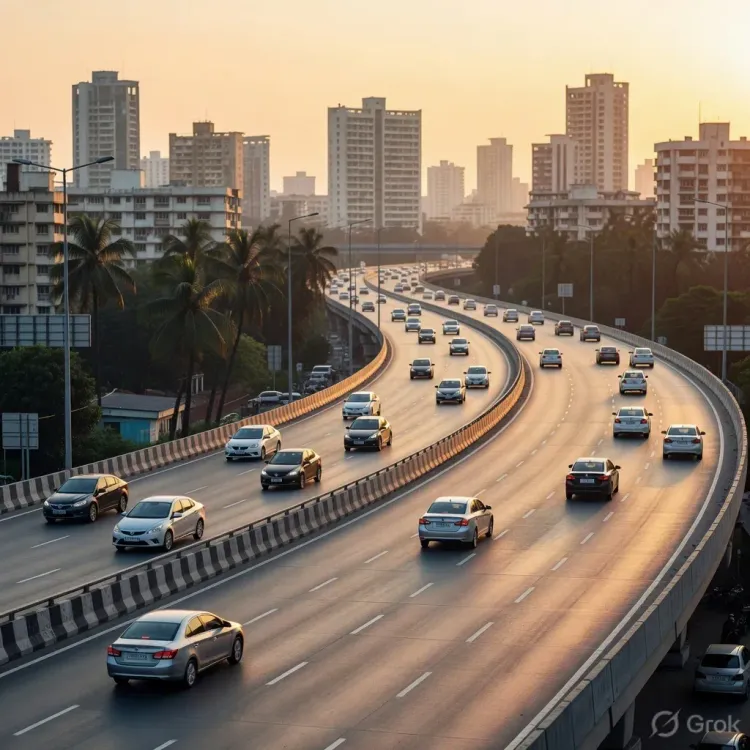
The Chief Minister's Office of Maharashtra confirmed on 14 August 2026 that the complete Santa Cruz-Chembur Link Road network is now operational, with CM Devendra Fadnavis citing a 35-minute reduction in travel time for Mumbai's east-west commuters.
Key Takeaways
The entire SCLR (Santa Cruz-Chembur Link Road) network has been declared fully open by the Chief Minister's Office of Maharashtra .
Chief Minister Devendra Fadnavis cited a 35-minute reduction in travel time as the key commuter benefit.
The MMRDA is the nodal agency that planned and executed the elevated east-west corridor.
The SCLR project was first conceived in the 1990s and has seen phased construction across multiple state governments.
The corridor connects Santa Cruz in Mumbai's western suburbs to Chembur in the east, addressing a long-standing connectivity gap.
Integration with ongoing metro expansions and other MMRDA road projects is the next milestone to watch.
Mumbai's long-contested east-west divide just got a concrete answer. The Chief Minister's Office of Maharashtra announced on Friday, 14 August 2026 that the entire Santa Cruz-Chembur Link Road (SCLR) network is now open to traffic, with Chief Minister Devendra Fadnavis crediting the completion with cutting commute times by 35 minutes.
Decades in the Making: What the SCLR Actually Does
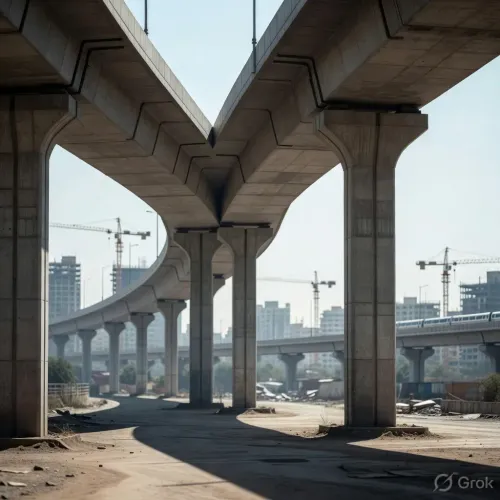
The SCLR is an elevated east-west corridor that has been on Mumbai's urban transport blueprint since the 1990s. Conceived to stitch together the city's western and eastern suburbs — two zones historically separated by a tangle of surface roads, railway crossings, and chronic bottlenecks — the project has seen phased construction and partial openings stretched across successive state governments. The Mumbai Metropolitan Region Development Authority (MMRDA), the nodal agency behind the corridor, has driven its execution through multiple political cycles.
Full network completion is the milestone that partial openings could never deliver: an unbroken elevated run that allows commuters to bypass the ground-level gridlock that defines peak-hour travel between the suburbs.
The 35-Minute Claim and What It Means for MMR Commuters
The figure the Chief Minister's Office has put on the table — a 35-minute reduction in travel time — is the kind of number that lands differently depending on where you live. For the millions of residents who move daily between Santa Cruz in the west and Chembur in the east, that is not an abstraction; it is a morning back, an evening recovered. MMRDA's mandate across the Mumbai Metropolitan Region has long centred on exactly this: arterial connectivity that multiplies the value of every other piece of transport infrastructure in the network.
Where SCLR Fits in Maharashtra's Connectivity Push
Maharashtra governments have made a consistent political bet on completing long-pending road projects in the MMR — elevated corridors, link roads, and flyovers that earlier administrations started but left unfinished. The Fadnavis administration has leaned into this pattern, framing infrastructure delivery as a governance dividend. The next test is integration: how seamlessly the completed SCLR connects with the expanding metro rail network and other ongoing MMRDA road projects that share the same commuter catchment.
A corridor that works in isolation delivers half its promise. The real payoff arrives when SCLR feeds into — and draws from — the broader web of metro lines and arterial upgrades reshaping how Mumbai moves.
Point of View
Visible infrastructure win at a moment when urban governance credibility is closely watched in Maharashtra. Completing a corridor that dates to the 1990s reframes decades of delay as eventual delivery — a political narrative the ruling dispensation will press hard. The 35-minute travel-time figure, however, will face scrutiny once real-world traffic data emerges; if the number holds, it becomes a template argument for accelerating other long-stalled MMR projects. The deeper question is whether SCLR's opening accelerates the integration of road and metro networks, or whether siloed project timelines continue to blunt the compounding returns of connected infrastructure.
NationPress
28 Sept 2026
Frequently Asked Questions
What is the SCLR in Mumbai?
SCLR stands for Santa Cruz-Chembur Link Road, an elevated east-west corridor in Mumbai that connects the western suburb of Santa Cruz to the eastern suburb of Chembur. It was designed to reduce surface-road congestion and cut cross-suburb commute times.
How much time will the SCLR save commuters?
The Chief Minister's Office of Maharashtra has stated the fully open SCLR network will cut travel time by 35 minutes for commuters travelling between Mumbai's western and eastern suburbs.
Who is responsible for building the SCLR?
The Mumbai Metropolitan Region Development Authority (MMRDA) is the nodal agency that planned and executed the SCLR project.
When was the SCLR project first planned?
The SCLR was conceived in the 1990s as part of Mumbai's urban transport plans. It has seen phased construction and partial openings across several state governments before the full network was declared open in August 2026.
What comes next after the SCLR is fully open?
The key focus now is integration — how effectively the completed SCLR connects with Mumbai's expanding metro rail lines and other ongoing MMRDA road projects to maximise its impact on commuter mobility across the Mumbai Metropolitan Region.