CMO Maharashtra Pushes Smarter, Faster Mobility for Mumbai
Synopsis
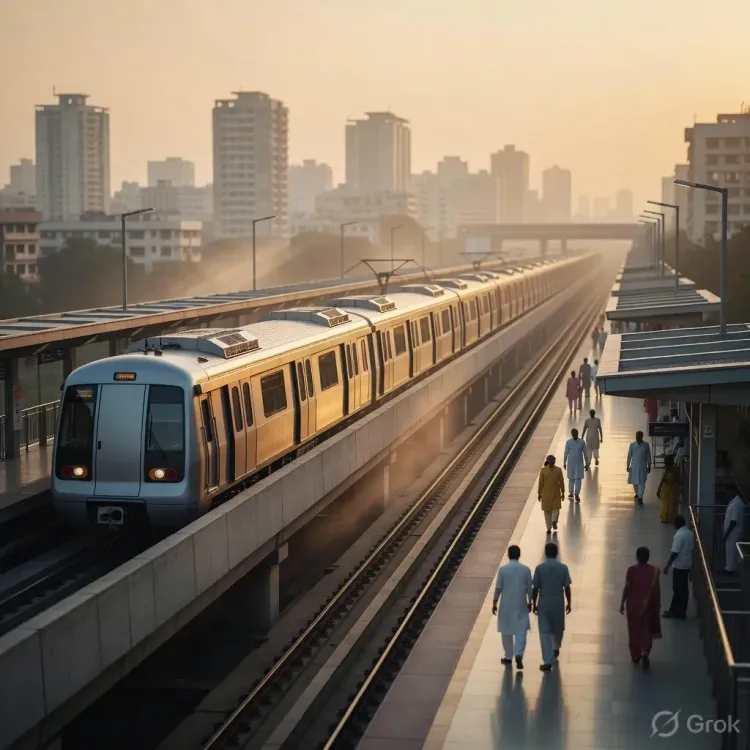
The Chief Minister's Office of Maharashtra on August 13, 2026 posted a Marathi pledge for smarter, faster travel for every Mumbaikar, tagging PM Modi, CM Fadnavis, and MMRDA — signalling coordinated state-centre momentum on Mumbai's long-running metro and urban mobility expansion.
Key Takeaways
The CMO Maharashtra posted on August 13, 2026 promising smarter connectivity and faster travel for Mumbai commuters.
The post tagged PM Narendra Modi , CM Devendra Fadnavis , and MMRDA , signalling three-way alignment on the initiative.
MMRDA has been driving Mumbai's metro master plan since corridors were first sanctioned around 2010 , with acceleration post- 2014 .
Mumbai's transit expansion is linked to the national PM Gati Shakti multimodal connectivity framework.
Key metrics to watch include commissioning timelines for new metro corridors and ridership data as lines open.
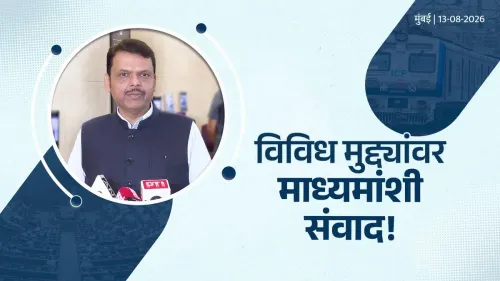
Mumbai's daily grind — the crush of trains, the gridlock, the hours lost — has a new official promise attached to it. The Chief Minister's Office of Maharashtra posted on X on Thursday, August 13, 2026, signalling a renewed push for smarter connectivity and faster commutes for every Mumbaikar, tagging Prime Minister Narendra Modi, Chief Minister Devendra Fadnavis, and the Mumbai Metropolitan Region Development Authority (MMRDA).
The Marathi-language post — 'उत्तम जोडणीसह अधिक स्मार्ट, प्रत्येक मुंबईकराचा वेगवान प्रवास' ('Smarter with better connectivity, faster travel for every Mumbaikar') — is brief, but its three-way tag of Modi, Fadnavis, and MMRDA signals deliberate alignment: state ambition, central backing, and the region's apex planning body, all in one frame.MMRDA and the Long Road to Mumbai's Metro Future
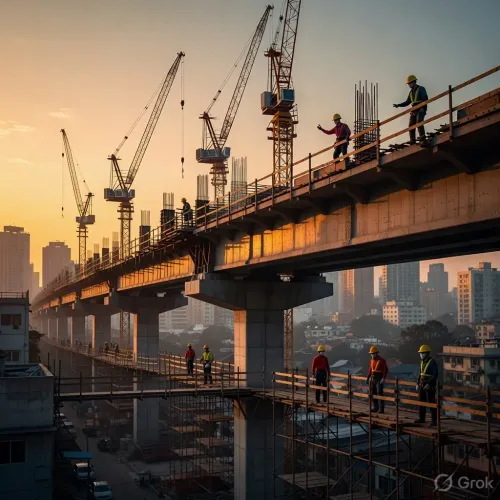
MMRDA, the statutory authority that drives infrastructure planning across the Mumbai Metropolitan Region, has been at the centre of the city's metro rail expansion since the first corridors were sanctioned around 2010. The pace accelerated sharply after 2014, with multiple lines progressing under a combination of central and state funding. Today, the metro master plan spans several corridors threading through the dense urban core and outward into the wider region — each one pitched as a direct answer to Mumbai's punishing commute times. The invocation of PM Modi in the post also points toward the national scaffolding underpinning these projects. The PM Gati Shakti multimodal connectivity framework, operationalised in the early 2020s, brought Mumbai's transit expansion into a broader national infrastructure logic — coordinating rail, road, and port connectivity rather than treating each in isolation.Fadnavis, Mumbai's Infrastructure Bet, and What Comes Next
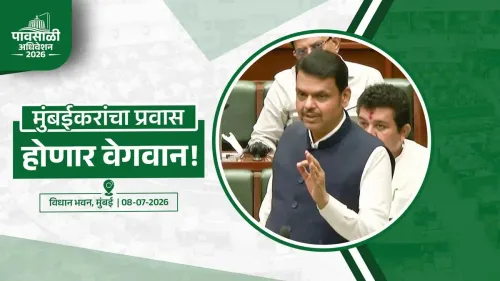
Chief Minister Devendra Fadnavis has made urban mobility a signature of his political identity across his terms in office. Maharashtra's approach — layering metro rail over coastal road upgrades, integrating smart city initiatives with mass transit — reflects a consistent wager that world-class connectivity can transform both the commuter experience and the region's economic competitiveness. The critical variable now is execution: commissioning timelines for new metro corridors, ridership numbers as lines open, and whether integrated transport hubs actually deliver the seamless transfers they promise on paper. For Mumbai's roughly 20 million residents, the gap between a government post and a faster morning commute is measured in years of civil works and political will. The promise is on the record. The platform is watching the clock.Point of View
Maharashtra's government is simultaneously claiming credit at the state level and anchoring its projects within the national Gati Shakti framework, making it harder for any single actor to be blamed for delays. Fadnavis has consistently used urban infrastructure as his sharpest electoral pitch in Mumbai, and this signal ahead of any corridor commissioning fits a pattern of front-loading the promise before the ribbon-cutting. The real test, as always, is whether MMRDA's execution pace matches the rhetoric — Mumbai's commuters have heard this story before, and they are counting stops, not tweets.
NationPress
27 Sept 2026
Frequently Asked Questions
What did the CMO Maharashtra post about Mumbai connectivity in August 2026?
The Chief Minister's Office of Maharashtra posted on August 13, 2026, promising smarter connectivity and faster travel for every Mumbaikar, tagging PM Narendra Modi, CM Devendra Fadnavis, and MMRDA.
What is MMRDA and what role does it play in Mumbai's infrastructure?
MMRDA — the Mumbai Metropolitan Region Development Authority — is the statutory body responsible for planning, transport, and infrastructure across the Mumbai Metropolitan Region, including overseeing the city's expanding metro rail network.
How is PM Gati Shakti connected to Mumbai's metro expansion?
The PM Gati Shakti multimodal connectivity framework, launched in the early 2020s, integrates Mumbai's transit projects — metro, road, and port — into a coordinated national infrastructure plan, enabling central funding and cross-ministry coordination.
What is Devendra Fadnavis's track record on Mumbai infrastructure?
Devendra Fadnavis, Chief Minister of Maharashtra, has prioritised urban mobility and metro rail expansion across his terms in office, aligning state projects with central schemes and public-private partnerships in the Mumbai Metropolitan Region.
When did Mumbai's metro master plan begin and how many corridors are planned?
MMRDA's metro master plan saw its first corridors sanctioned around 2010, with the pace of expansion accelerating significantly after 2014 under combined central and state funding across multiple lines.