CM Fadnavis Clears ₹22,611 Cr MMR Transport Push
Synopsis
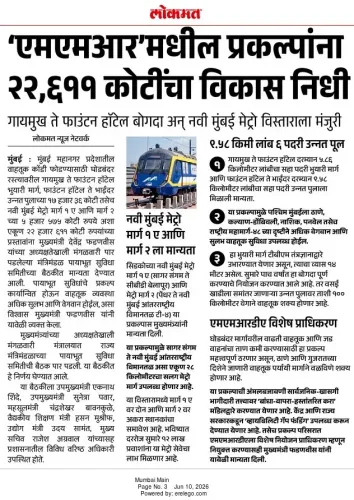
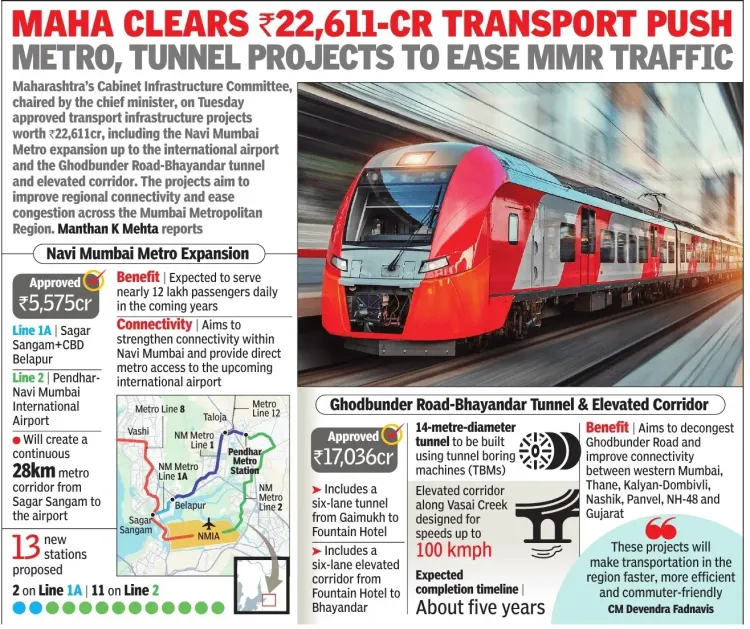
Maharashtra has cleared a ₹22,611 crore transport package covering metro expansion and tunnel projects across the Mumbai Metropolitan Region, Chief Minister Devendra Fadnavis's office announced on 10 June 2026, in a major push to address chronic urban congestion.
Key Takeaways
₹22,611 crore in transport infrastructure has been cleared by the Maharashtra government for the Mumbai Metropolitan Region .
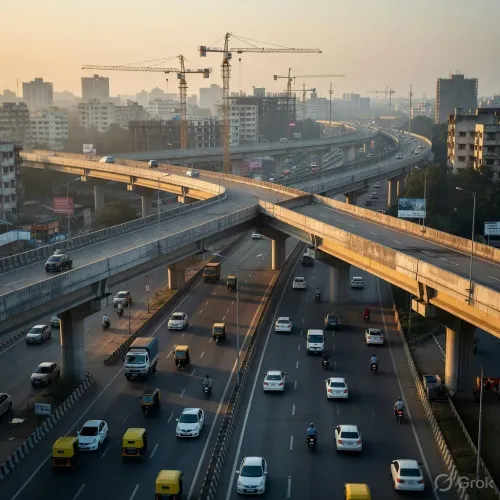
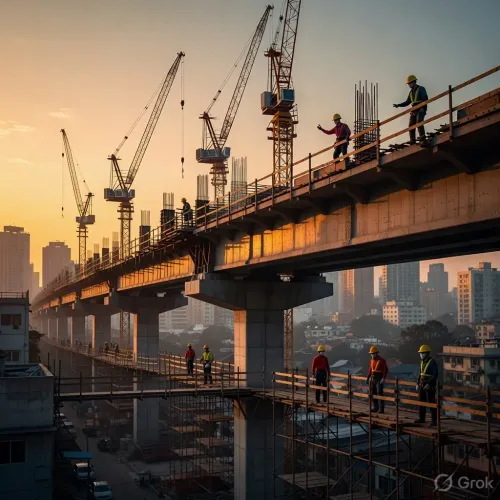
The package covers metro expansion and tunnel projects specifically targeted at easing MMR traffic congestion.
MMRDA is the nodal agency responsible for planning and executing the approved projects.
The approval builds on a policy lineage dating to 2014–2019 , when multiple metro corridors and the coastal road were first sanctioned under Fadnavis .
Funding is expected to blend state budgetary allocations, MMRDA borrowings, and central viability-gap support.
Tender issuance by MMRDA and land-acquisition progress will determine the pace of on-ground execution.
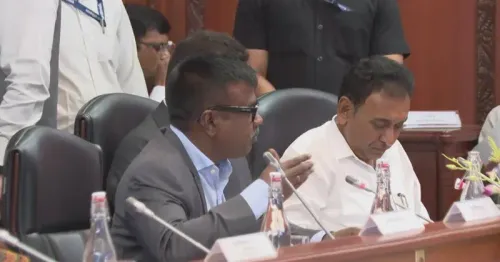
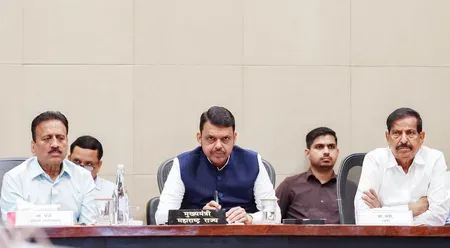
The Chief Minister's Office of Maharashtra announced on Wednesday, 10 June 2026 that the state has cleared a ₹22,611 crore transport infrastructure package for the Mumbai Metropolitan Region (MMR), covering metro expansion and tunnel projects aimed at easing chronic traffic congestion across the region. The announcement was made via the official CMO handle, citing Chief Minister Devendra Fadnavis.
Context
The CMO post states that Maharashtra has cleared a ₹22,611 crore push for transport, with metro and tunnel projects specifically identified as the instruments to relieve traffic pressure across the MMR. The approval signals a significant single-tranche commitment to urban mobility infrastructure at a scale that places it among the larger state-level transport outlays in recent years.
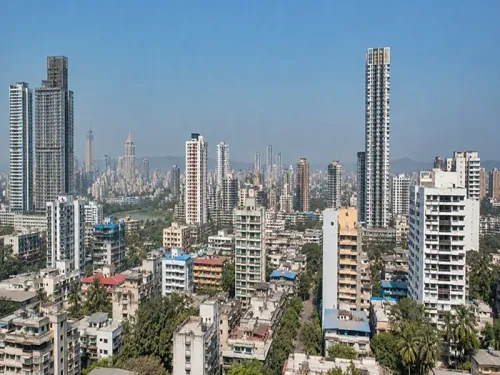
MMR is home to an estimated population of over 2 crore people spread across Mumbai and surrounding districts, making it one of the most densely urbanised zones in India. Road congestion, strained suburban rail networks and rapid peripheral growth have made large-scale public transport investment a recurring policy imperative for successive state governments.
Policy Backdrop
The Mumbai Metropolitan Region Development Authority (MMRDA) is the nodal agency responsible for planning and executing metro, road and tunnel projects across the region. During Fadnavis's earlier tenure between 2014 and 2019, the state sanctioned multiple metro corridors and the Mumbai Coastal Road project, establishing a policy lineage that the current approval appears to extend.
In 2018, the state formally approved the first elevated and underground metro lines under MMRDA with central government assistance under the Metro Rail Policy. Funding structures for approvals of this scale typically blend state budgetary allocations, MMRDA borrowings, and viability-gap support from the central government, with alignment to national programmes such as AMRUT and the Smart Cities Mission.
Tunnel corridors, alongside metro lines, form part of an integrated mobility plan that seeks to shift commuters from private vehicles to faster, higher-capacity public transport options, reducing both congestion and vehicular emissions in the dense urban core.
Stakeholders and Impact
The most immediate beneficiaries of the cleared package are MMR commuters, who contend daily with some of the longest average commute times among Indian cities. Faster metro connectivity and new tunnel routes are expected to reduce travel times between peripheral nodes and the Mumbai business districts.
The Mumbai real-estate sector is also a key stakeholder: new metro corridors historically trigger micro-market appreciation along their alignments, with developers and home-buyers adjusting location preferences as connectivity improves. Construction and engineering firms, as well as rolling-stock suppliers, stand to benefit from the tendering process that typically follows such approvals.
What's Next
MMRDA is expected to issue tenders for the newly cleared metro and tunnel packages in the coming months, with timelines and specific corridor details likely to be elaborated during the next state budget cycle or through formal project notifications. Progress on land acquisition and utility relocation — historically the most time-sensitive phases of urban infrastructure projects — will determine how quickly ground-level work can begin.
The scale of this clearance positions Maharashtra as a leading state in urban transport investment and sets a benchmark that will be watched closely by other metropolitan governments grappling with similar mobility challenges. Whether the approved funds translate into on-ground progress within committed timelines will be the central test for the Fadnavis administration in the months ahead.
Point of View
611 crore clearance is the largest single transport approval announced by the Fadnavis administration and signals that urban mobility has been elevated to a top governance priority ahead of the next electoral cycle. By anchoring the announcement in metro and tunnel projects — both high-visibility, commuter-facing infrastructure — the Chief Minister's Office is positioning the government on a deliverables-driven narrative. The approval also fits a broader national pattern where state governments leverage central schemes such as AMRUT and the Metro Rail Policy to co-finance capital-intensive urban projects, sharing both the fiscal burden and the political credit. The real test, however, will be execution speed: MMR projects have historically faced delays in land acquisition and utility shifting, and the gap between approval and completion will define how this investment is ultimately judged.
NationPress
25 Oct 2026
Frequently Asked Questions
What is the ₹22,611 crore Maharashtra transport package?
It is a state government approval of ₹22,611 crore for metro expansion and tunnel projects across the Mumbai Metropolitan Region , announced by the Chief Minister's Office on 10 June 2026 to ease chronic traffic congestion.
Which projects are covered under the Maharashtra MMR transport approval?
The cleared package covers metro corridor expansion and tunnel projects within the MMR ; specific corridor alignments and project lists are expected to be detailed through formal MMRDA notifications and tender documents.
What is MMRDA and what is its role in Mumbai metro projects?
MMRDA — the Mumbai Metropolitan Region Development Authority — is the state agency responsible for planning, financing and executing major metro, road and tunnel projects across MMR , and will be the implementing body for the newly cleared package.
How will the Maharashtra metro tunnel project be funded?
Projects of this scale in Maharashtra are typically funded through a mix of state budgetary allocations, MMRDA market borrowings, and viability-gap funding from the central government under schemes such as AMRUT and the Metro Rail Policy .
When will the new Mumbai metro and tunnel projects be completed?
No completion date has been officially stated yet; timelines will depend on the pace of MMRDA tender issuance, land acquisition and utility relocation, with further details expected during the next state budget cycle.