CM Dhami Targets Congress on Cow Protection, Vows Gaushala Push
Synopsis
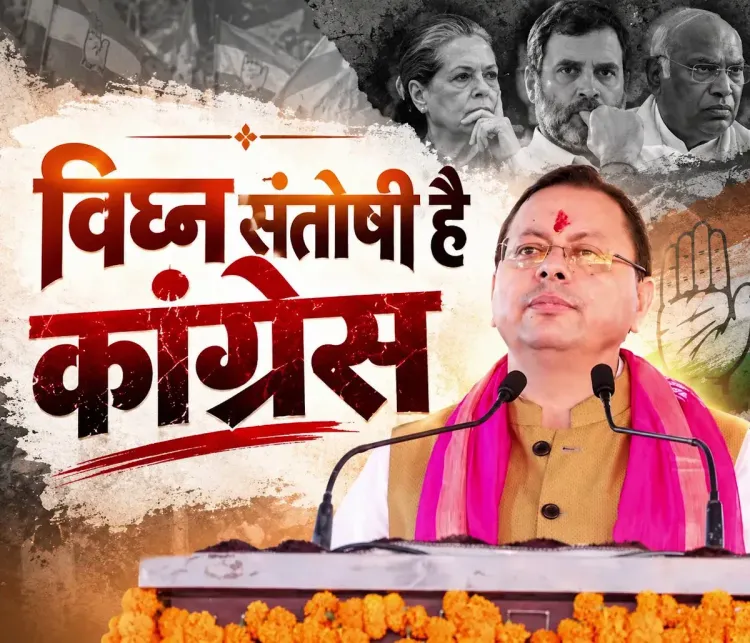
Uttarakhand Chief Minister Pushkar Singh Dhami on September 24 attacked Congress for neglecting cow protection and reaffirmed his government's commitment to building gaushalas for stray cattle, positioning the policy as both a cultural duty and a BJP governance priority.
Key Takeaways
CM Pushkar Singh Dhami posted on September 24, 2026 accusing Congress of failing to prioritise cow protection during its years in power.
His government frames gaushala construction for shelterless cattle as a core state responsibility, not a peripheral welfare measure.
Uttarakhand has been BJP-governed since 2017 and aligns its cattle policy with the Centre's Rashtriya Gokul Mission launched in 2014 .
Similar gaushala and cow-protection programmes have been rolled out across BJP-ruled states including Uttar Pradesh , Madhya Pradesh , and Gujarat .
Budget allocations for gaushala expansion and new stray cattle management rules in the next legislative session are the key policy markers to watch.
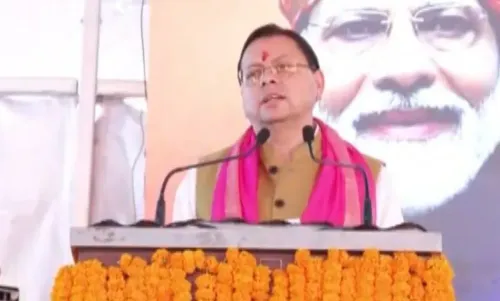
A governance debate with deep cultural roots resurfaced on Thursday, September 24, 2026, when Uttarakhand Chief Minister Pushkar Singh Dhami drew a sharp contrast between his BJP government's cattle-welfare record and what he described as decades of neglect under Congress rule — promising continued investment in shelters for abandoned cattle across the state.
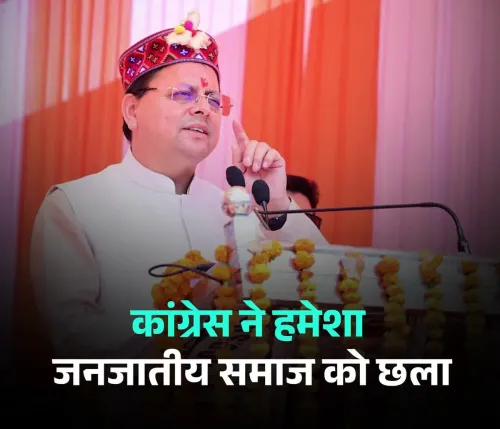
Posting in Hindi on X, CM Dhami stated: 'Congress ruled the country for a long time, but it could not give priority to the subject of cow protection and cow service. Our government, treating the protection and promotion of Gau Mata as its responsibility, is continuously working towards the construction of gaushalas and better arrangements for shelterless cattle.'
The Gaushala Network: BJP's State-Level Commitment
The push for gaushalas — state-funded shelters that house stray and unproductive cattle — has been a defining plank of BJP governance across multiple states since 2014. Uttarakhand, under BJP rule since 2017, has aligned this effort with the Centre's Rashtriya Gokul Mission, a flagship scheme launched that year to conserve indigenous cattle breeds and fund supporting infrastructure.
Across BJP-governed states — Uttar Pradesh, Madhya Pradesh, Gujarat — dedicated cow protection boards and gaushala funding mechanisms have been systematically expanded over the past decade. CM Dhami's post signals Uttarakhand intends to stay firmly on that track, framing stray cattle management not merely as an animal welfare issue but as a cultural and moral obligation of the state.
The Congress Contrast: A Political Line Drawn
The explicit reference to Congress is deliberate and pointed. The party held power at the Centre through much of India's post-Independence history and governed Uttarakhand at several points before 2017. Dhami's framing — that Congress 'could not give priority' to cow protection — is a well-worn BJP argument, but one that lands differently in a hill state where rural livestock keepers and gaushala operators form an important constituency.
It is also a pre-emptive argument: by anchoring the policy in a moral and cultural framework, the Chief Minister insulates it from purely fiscal scrutiny, placing the burden of rebuttal on the opposition to explain its own cattle-welfare record.
What Comes Next in Uttarakhand's Cattle Policy
The immediate question is resources. Gaushala construction and upkeep require sustained budget lines, and the state's next legislative session will test whether the political commitment translates into hard allocations. Stray cattle management rules — covering how abandoned animals are identified, transported, and housed — are also under watch as the state looks to sharpen its regulatory framework.
For rural communities dealing with crop damage from roaming cattle, the proof will not be in the posts — it will be in the shelters that actually get built.
Point of View
Then convert that contrast into a governance credential. By framing cow protection as a moral obligation the Centre and state have systematically honoured since 2014, he anchors a religiosity-inflected policy inside a mainstream welfare argument — shelters for abandoned animals — which broadens its appeal beyond purely devout constituencies. The timing, ahead of a likely legislative session, reads as groundwork for announcing fresh gaushala allocations. Congress, without a counter-record in Uttarakhand on this specific issue, faces the familiar challenge of contesting the premise rather than the policy details.
NationPress
24 Sept 2026
Frequently Asked Questions
What did CM Dhami say about cow protection and Congress?
CM Dhami stated that Congress ruled India for a long time but failed to prioritise cow protection and cow service, while his BJP government is actively building gaushalas and improving arrangements for shelterless cattle in Uttarakhand.
What is a gaushala and who funds them in Uttarakhand?
A gaushala is a government-supported shelter for stray or unproductive cattle. In Uttarakhand, they are funded through state allocations and receive support under the Centre's Rashtriya Gokul Mission, launched in 2014.
What is the Rashtriya Gokul Mission?
The Rashtriya Gokul Mission is a central government scheme launched in 2014 to conserve and develop indigenous cattle breeds and fund related infrastructure including gaushalas across India.
Which other BJP states have expanded cow protection programmes?
Uttar Pradesh, Madhya Pradesh, and Gujarat have all established or expanded dedicated cow protection boards and gaushala funding mechanisms under BJP governance since 2014.
What should I watch for next in Uttarakhand's cattle policy?
Watch the state's upcoming legislative session for budget allocations toward new gaushala construction and any new regulatory rules governing stray cattle identification, transport, and shelter.