CM Dhami Accuses Congress of Prioritising Power Over Hill Development
Synopsis
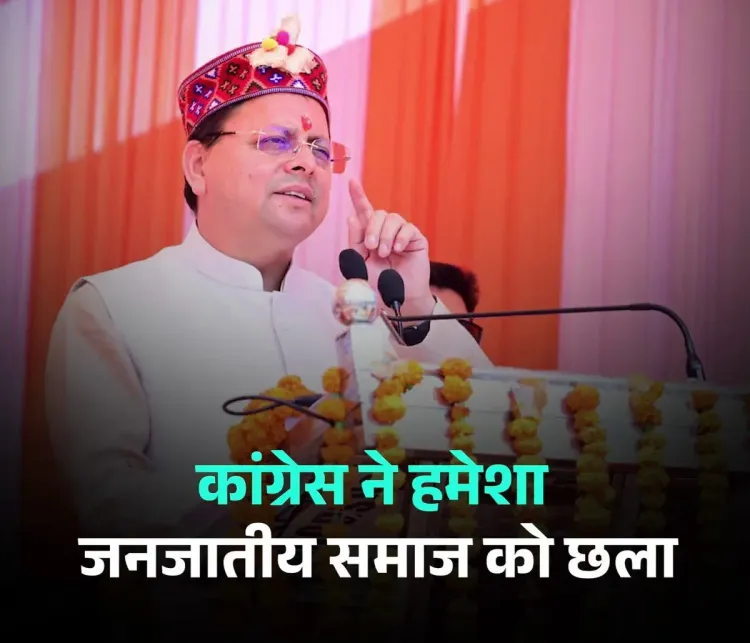
Uttarakhand Chief Minister Pushkar Singh Dhami on June 8, 2026, accused Congress of prioritising political gain over public service, charging that the party left hill residents trapped in promises rather than delivering permanent solutions during its years in power.
Key Takeaways
CM Pushkar Singh Dhami posted a sharp attack on Congress on June 8, 2026 , accusing the party of treating governance as a tool for political gain.
He specifically charged Congress with failing to provide permanent solutions to the fundamental problems of Uttarakhand's hill districts despite years in power.
Congress governed Uttarakhand during two terms: 2002–2007 and 2012–2017 , during which infrastructure gaps in remote hill areas persisted.
Uttarakhand was formed in 2000 after agitation over the neglect of Himalayan districts, making hill development the state's defining political issue.
The BJP has ruled the state since 2017 and has positioned durable hill infrastructure and migration reversal as its core governance agenda.
With the 2027 Uttarakhand Assembly elections approaching, political messaging around development delivery is expected to sharpen further.
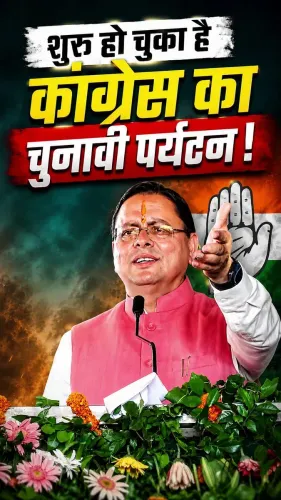
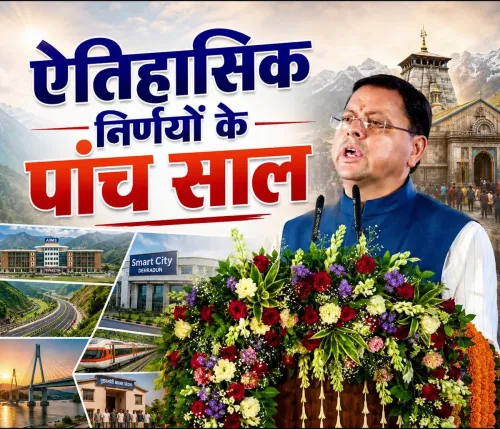
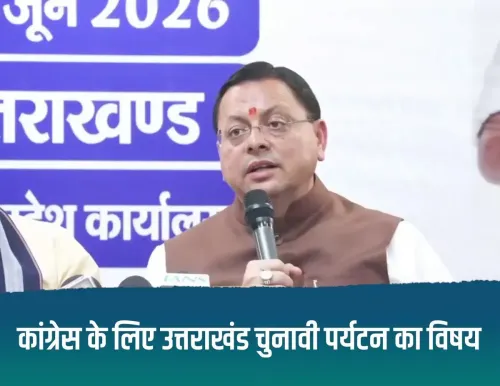
Uttarakhand Chief Minister Pushkar Singh Dhami on Monday, June 8, 2026, launched a sharp political attack on the Indian National Congress, accusing the opposition party of consistently treating governance as a vehicle for political gain rather than genuine public service, with a particular focus on its failure to resolve the longstanding problems of Uttarakhand's hill districts.
Posting in Hindi on X, CM Dhami wrote: 'Kaangres ke liye satta hamesha janseva se adhik raajnitik laabh ka maadhyam rahi hai' ['For Congress, power has always been more a means of political gain than public service']. He further charged that despite years in government, the party kept the public entangled in assurances and promises instead of delivering permanent solutions to the fundamental problems of the hills.
Context
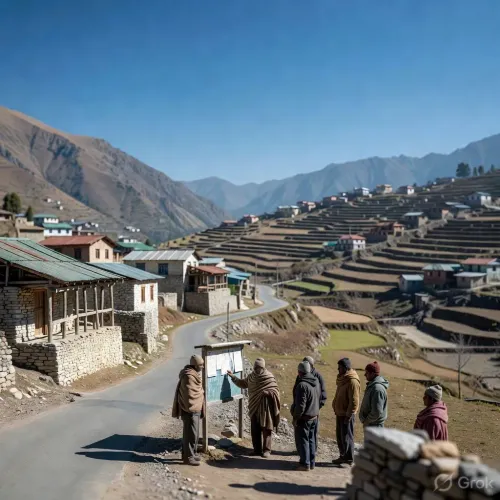
Uttarakhand was carved out of Uttar Pradesh in 2000 following a prolonged popular agitation rooted in the perceived neglect of its Himalayan districts. The state's hill regions have persistently struggled with inadequate infrastructure, poor connectivity, limited employment, and chronic out-migration — issues that predated statehood and continued well into the post-2000 era.
The Congress held power in Uttarakhand during two terms: 2002–2007 and 2012–2017. Both tenures were marked by welfare announcements and development assurances, but critics — including successive BJP governments — have pointed to incomplete infrastructure projects and unresolved connectivity gaps in remote hill districts as evidence of unfulfilled commitments.
Policy Backdrop
The Bharatiya Janata Party has governed Uttarakhand since 2017, positioning itself as the party that delivers durable solutions where Congress only delivered promises. CM Dhami, who took office in 2021, has repeatedly emphasised reversing hill out-migration and building permanent infrastructure as central planks of his administration's agenda.
His June 8 post fits a well-established pattern of inter-party contrast-drawing in the state, where the ruling BJP frames its governance record against the Congress tenures of the previous decade and a half. With the 2027 Uttarakhand Assembly elections on the horizon, such political messaging is expected to intensify as both parties seek to define the narrative around development and delivery.
Stakeholders and Impact
The sharpest edge of Dhami's critique is directed at residents of Uttarakhand's hill districts — communities that have historically borne the brunt of infrastructure deficits, limited healthcare access, and scarce local employment. These voters form a critical constituency in any Uttarakhand election, and their perception of which party has genuinely addressed their concerns will be decisive in 2027.
For the Congress, the charge of promise-making without delivery is a recurring vulnerability in the state. The party has not publicly responded to this specific post, and any rebuttal would need to address the concrete record of its two state government terms.
What's Next
Political observers will watch whether CM Dhami's social media offensive is followed by concrete policy announcements — particularly budget allocations or scheme launches targeting hill migration reversal and rural connectivity — that would give the rhetoric substantive grounding ahead of the assembly polls. The 2027 Uttarakhand elections are shaping up as a direct contest over which party can credibly claim ownership of the hill development agenda, and CM Dhami's June 8 statement signals that the BJP intends to fight that battle on its own terms.
Point of View
Dhami is targeting the most emotionally resonant voter bloc in the state. The timing, well ahead of the election cycle, suggests the party intends to build this contrast methodically rather than in a last-minute campaign burst. Whether the BJP's own infrastructure record in hill districts can withstand equivalent scrutiny will determine how effectively this framing lands with voters.
NationPress
24 Oct 2026
Frequently Asked Questions
What did CM Dhami say about Congress on June 8, 2026?
CM Dhami accused Congress of always prioritising political gain over public service, and charged that despite years in government the party kept Uttarakhand's hill residents trapped in assurances and promises instead of delivering permanent solutions to their fundamental problems.
When did Congress rule Uttarakhand?
Congress governed Uttarakhand during two terms: 2002 to 2007 and 2012 to 2017.
Why is hill development such a sensitive issue in Uttarakhand?
Uttarakhand was created in 2000 specifically because its Himalayan hill districts were seen as neglected by the parent Uttar Pradesh government; issues like out-migration, poor connectivity, and limited employment in hill areas have remained central political concerns ever since.
Is Pushkar Singh Dhami the current Chief Minister of Uttarakhand?
Yes, Pushkar Singh Dhami is the BJP Chief Minister of Uttarakhand and has held the post since 2021.
When are the next Uttarakhand Assembly elections?
The next Uttarakhand Assembly elections are due in 2027, and political activity around the hill development narrative is expected to intensify as that date approaches.