CM Dhami: Uttarakhand's New Film Policy to Boost Tourism and Jobs
Synopsis
Uttarakhand CM Pushkar Singh Dhami announced that the state's new film policy is boosting film shoots, giving tourism a fresh identity, and creating jobs for local artists and youth, with the goal of making Uttarakhand a major film production hub.
Key Takeaways
Uttarakhand CM Pushkar Singh Dhami announced the state's new film policy on 22 October 2026 via X.
The policy aims to promote film shooting, boost tourism , and generate employment for local artists and youth .
Dhami's stated goal is for Uttarakhand to emerge as a major film production hub in India.
The policy mirrors similar film-incentive frameworks adopted by Himachal Pradesh and Rajasthan .
Specific subsidy provisions, a launch date, and measured outcomes of the policy have not yet been officially detailed.
Key metrics to watch: number of productions approved, jobs created, and tourism revenue linked to film-driven visitors.
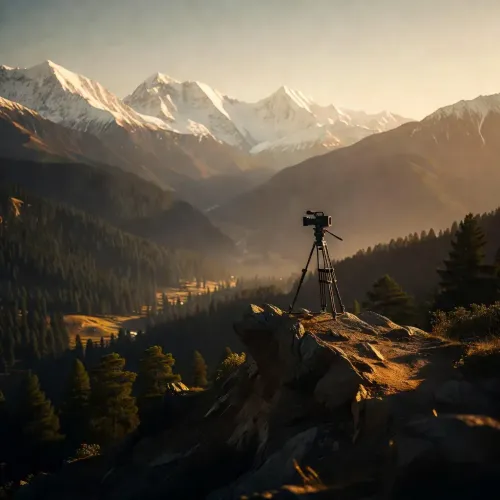
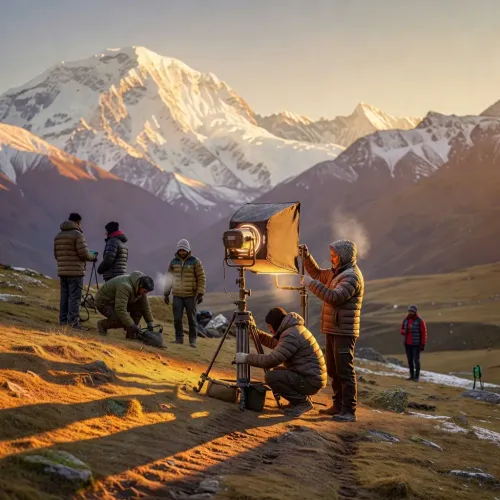
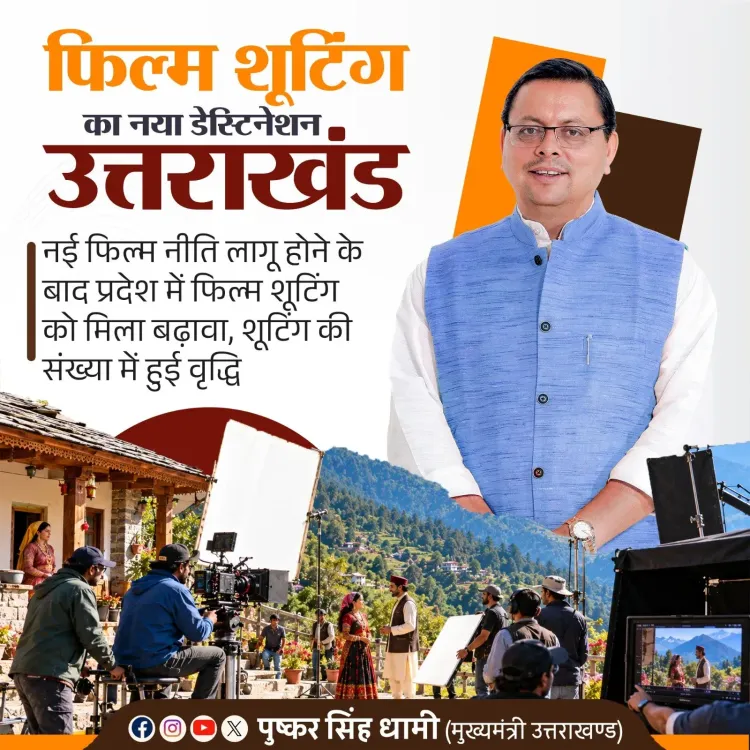
Uttarakhand's Himalayan landscapes have long drawn cameras — but now the state wants to make that attraction official policy. Chief Minister Pushkar Singh Dhami declared on Thursday, 22 October 2026 that the state's newly implemented film policy is already doing triple duty: pulling in film productions, giving the tourism sector a fresh identity, and opening employment doors for local artists and youth.
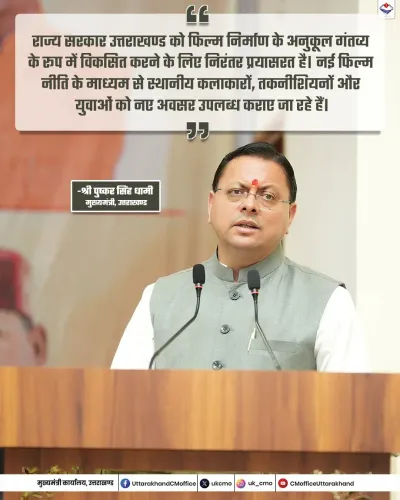
Posting on X, CM Dhami wrote: 'प्रदेश में लागू की गई नई फिल्म नीति से उत्तराखंड में न केवल फिल्म शूटिंग को बढ़ावा मिल रहा है बल्कि प्रदेश में पर्यटन को भी नई पहचान, स्थानीय कलाकारों और युवाओं को रोजगार के नए अवसर मिल रहे हैं।' — ('The new film policy implemented in the state is not only promoting film shooting in Uttarakhand but is also giving a new identity to tourism, and creating new employment opportunities for local artists and youth.') His stated ambition is unambiguous: he wants Uttarakhand to emerge as a major hub of film production and for the film industry to directly strengthen the state's economy.
Why a Himalayan State Is Betting on Bollywood
Uttarakhand, carved out of Uttar Pradesh in 2000, has historically leaned on pilgrimage tourism — the Char Dham circuit, the Ganga's headwaters at Rishikesh and Haridwar — as an economic anchor. Film-driven tourism adds a different kind of footfall: one that follows a location after it appears on screen, sustaining visitor interest across seasons and demographics. The logic is well-worn but proven — a single high-profile production can put a destination on the map for years.
Indian states have been racing to formalise exactly this opportunity since the 2010s. Himachal Pradesh and Rajasthan both built dedicated film policies offering shooting permissions, subsidies, and infrastructure support. Uttarakhand's new policy appears to follow that playbook — packaging the state's spectacular terrain into an investable, industry-friendly proposition.
Local Artists and Youth at the Centre of the Pitch
The most politically resonant element of Dhami's announcement is the employment angle. Film productions are labour-intensive on location — from junior artists and light technicians to caterers and transport operators, a shooting schedule creates a local economic ripple. By explicitly naming local artists and youth as beneficiaries, the CM is signalling that the policy is designed to keep that ripple inside the state rather than importing an entirely outside crew.
The broader pattern here is one of economic diversification. A state that depends heavily on seasonal pilgrimage traffic needs off-season revenue and year-round jobs. Film-linked tourism — where visitors come to see the valley or waterfall from a favourite scene — can extend that window. The question officials will eventually have to answer in hard numbers: how many productions, how many jobs, and how much incremental tourism revenue?
What the Film Industry Will Be Watching
Producers weigh four things when choosing a location: scenic value, ease of permissions, cost support, and logistics. Dhami's statement signals political will on the first two. Whether that translates into measurable incentives — direct subsidies, single-window clearance, dedicated film-city infrastructure — will determine whether the state's ambition becomes a destination on a shoot schedule or stays on a government PowerPoint. Official data on approvals and jobs created under the policy will be the real scorecard.
For now, Uttarakhand has declared its intent loudly. The mountains have always been cinematic. The government is finally trying to profit from it.
Point of View
The CM is also threading a populist needle ahead of any electoral cycle: film glamour as a vehicle for youth jobs is politically durable messaging. The real test, however, is whether administrative follow-through — single-window clearances, competitive subsidies, dedicated infrastructure — matches the rhetorical ambition, because scenic beauty alone has never been a sufficient differentiator in India's crowded film-location market.
NationPress
22 Oct 2026
Frequently Asked Questions
What is Uttarakhand's new film policy?
Uttarakhand's new film policy is a state government initiative designed to attract film productions to the state by promoting shooting permissions and related support. CM Dhami says it is already boosting film activity, tourism identity, and employment for local artists and youth, with the goal of making Uttarakhand a major film production hub.
How will the Uttarakhand film policy create jobs?
Film productions on location generate direct employment for junior artists, technicians, and support workers. CM Dhami has specifically highlighted local artists and youth as intended beneficiaries, signalling the policy is designed to retain economic benefits within the state.
Which other Indian states have similar film policies?
Several Indian states, including Himachal Pradesh and Rajasthan, have adopted dedicated film policies since the 2010s offering subsidies, shooting permissions, and infrastructure support to attract Bollywood and regional productions. Uttarakhand's approach follows a similar model.
How does a film policy help tourism in Uttarakhand?
When popular films are shot in a location, they drive viewers to visit those sites — a phenomenon sometimes called film-induced tourism. For Uttarakhand, which relies heavily on seasonal pilgrimage traffic, film-driven visitors can extend tourist activity across more months and demographics.
What is Pushkar Singh Dhami's role in Uttarakhand?
Pushkar Singh Dhami is the Chief Minister of Uttarakhand and a BJP leader. He has been serving as CM since 2021 and is responsible for major state policy announcements on development, tourism, and economic affairs.