CM Dhami visits Bhopal to condole Shivraj Chouhan's mother
Synopsis
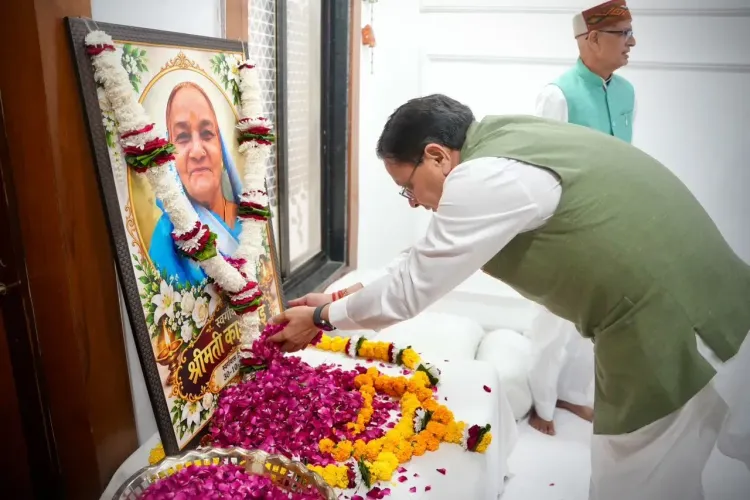
Uttarakhand CM Pushkar Singh Dhami travelled to Bhopal on November 11, 2026, to personally condole Union Agriculture Minister Shivraj Singh Chouhan on the passing of his mother, Smt. Kashi Bai, calling the loss 'irreparable' for the family.
Key Takeaways
CM Pushkar Singh Dhami made a personal visit to Bhopal, Madhya Pradesh on November 11, 2026 .
He paid tribute to Smt.
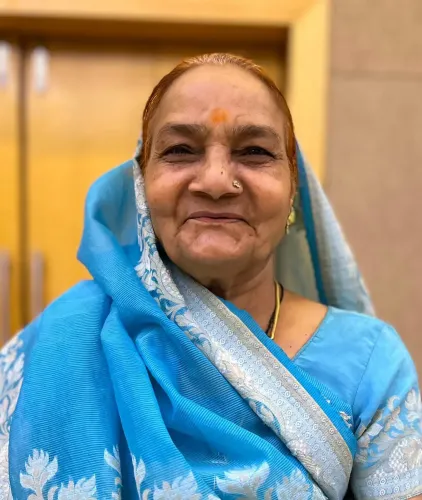
Kashi Bai , the late mother of Union Minister Shivraj Singh Chouhan .
Dhami described a mother's love and values as 'life's most precious inheritance' and called the loss 'irreparable.' He prayed for the soul's peace and for the family to find strength to bear their grief.
The visit reflects the BJP's tradition of senior leaders personally attending to colleagues during bereavements across state lines.
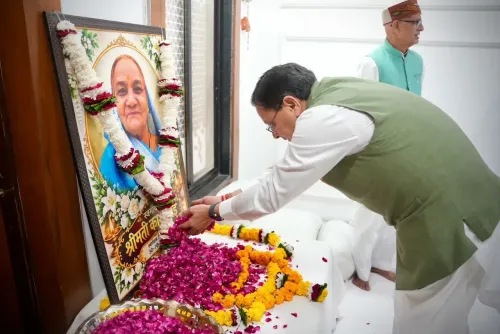
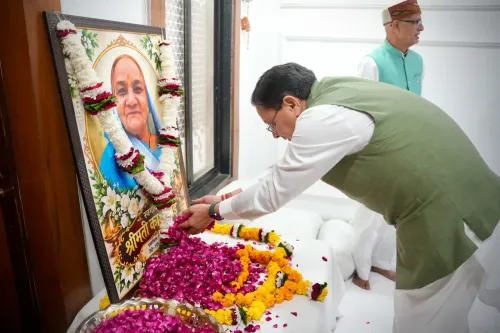
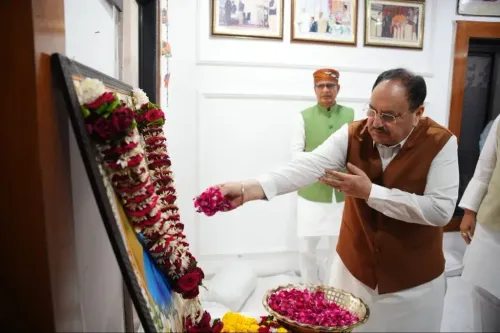
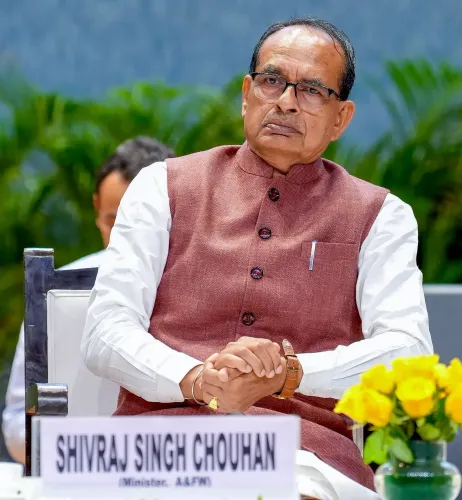
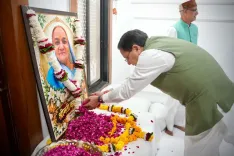
Grief crossed state lines on Wednesday, November 11 when Uttarakhand Chief Minister Pushkar Singh Dhami travelled to Bhopal, Madhya Pradesh to personally condole the passing of Shri Shivraj Singh Chouhan's mother, Smt. Kashi Bai. Dhami arrived at the Union Agriculture Minister's residence, paid a heartfelt tribute to the departed soul, and met members of the bereaved family to offer his condolences.
Speaking to the grieving family, CM Dhami said that 'mata ka sneh, aashirwad aur sanskar jeevan ki amulya dharohar hote hain' — 'a mother's love, blessings, and values are life's most precious inheritance.' He called the loss 'an irreparable void' for the family and prayed that the Almighty grant the departed soul peace and give the bereaved the strength to bear the unbearable grief.
A personal visit, not a press statement
Shivraj Singh Chouhan, a towering figure in the BJP, served as Madhya Pradesh's Chief Minister for over a decade across multiple terms before being elevated to the Union Cabinet. His political stature within the party makes condolence calls from fellow BJP leaders a matter of both personal respect and institutional solidarity. Dhami's decision to travel in person to Bhopal — rather than issue a written message — signals the weight of the moment.
Such personal bereavement visits are a well-established code of conduct among BJP's chief ministers and senior leaders. They reinforce the interpersonal bonds that hold together the party's vast state-level network, cutting across administrative boundaries without any direct policy dimension.
Dhami's words: grief, faith, and inheritance
In his condolence message, CM Dhami invoked a deeply traditional sentiment — that a mother's affection and teachings remain a living legacy long after her passing. He prayed to God to place the departed soul 'apne shri-charno mein' — 'at His holy feet' — and to grant the family resilience through their sorrow. The language was intimate and devotional, consistent with the register of personal grief rather than political ceremony.
Point of View
Who has been consolidating his stature as Uttarakhand's chief executive since 2021, signals deference and solidarity to a heavyweight like Chouhan through such gestures. The visit carries no policy implication but speaks to the relational architecture that holds a large, federally-structured party together. It also frames Dhami as a leader who operates by personal codes of respect, which resonates with the party's cultural messaging.
NationPress
11 Nov 2026
Frequently Asked Questions
Why did CM Dhami go to Bhopal on November 11, 2026?
CM Pushkar Singh Dhami visited Bhopal to personally condole Union Minister Shivraj Singh Chouhan on the death of his mother, Smt. Kashi Bai, and to meet the bereaved family.
Who is Smt. Kashi Bai?
Smt. Kashi Bai was the mother of Union Agriculture and Farmers Welfare Minister Shivraj Singh Chouhan. She passed away recently, prompting condolence visits from political leaders.
What did CM Dhami say to the Chouhan family?
Dhami said a mother's love, blessings, and values are life's most precious inheritance, described the loss as irreparable, and prayed for the soul's peace and the family's strength.
Who is Shivraj Singh Chouhan?
Shivraj Singh Chouhan is the Union Minister of Agriculture and Farmers Welfare and a senior BJP leader who served as Madhya Pradesh's Chief Minister for over a decade across multiple terms.
Is it common for BJP chief ministers to visit colleagues during bereavements?
Yes, BJP chief ministers and senior leaders routinely make personal condolence visits to colleagues in other states during bereavements, reinforcing party cohesion and personal bonds.