CM DK Shivakumar Chairs KPSC Exam Security Meet With All DCs, SPs
Synopsis
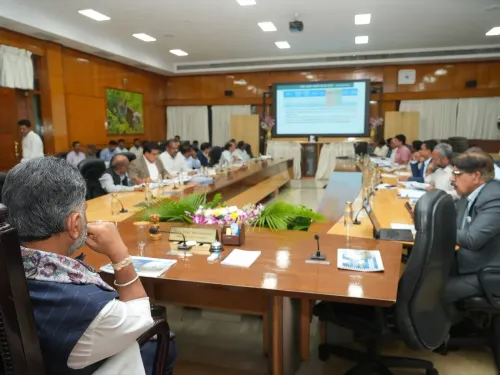
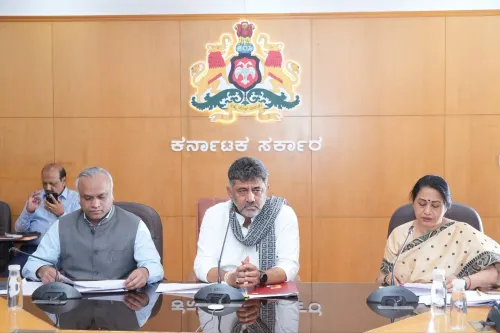
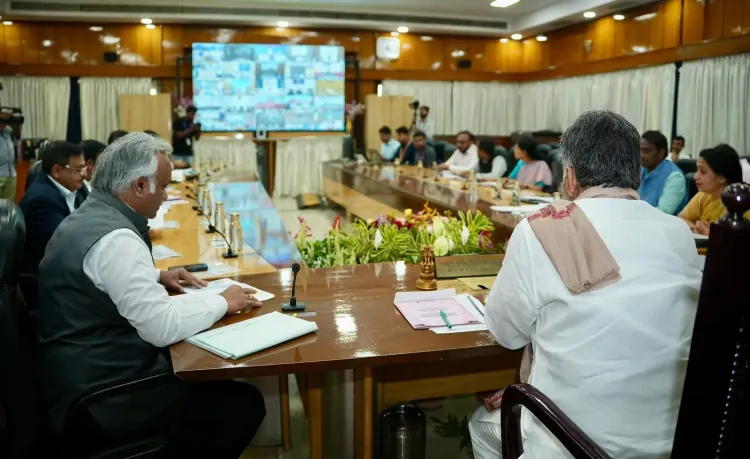
Chief Minister DK Shivakumar chaired a virtual meeting at Krishna with all Karnataka district collectors and police superintendents on 12 November 2026, issuing directives on KPSC exam security, anti-malpractice measures, and transparency reforms. Minister Priyank Kharge and Chief Secretary Dr. Shalini Rajneesh were present.
Key Takeaways
CM DK Shivakumar held a virtual meeting at residence Krishna on 12 November 2026 on KPSC exam preparedness.
All district collectors and superintendents of police across Karnataka's 31 districts attended the virtual call.
Directives covered anti-malpractice precautions, examination centre security, transparent exam systems, and reform implementation.
Minister Priyank Kharge , Chief Secretary Dr.
Shalini Rajneesh , and Political Secretary A.S.
Ponnanna were present.
The move aligns with a nationwide push by Indian state governments to overhaul public service commission exam security frameworks.
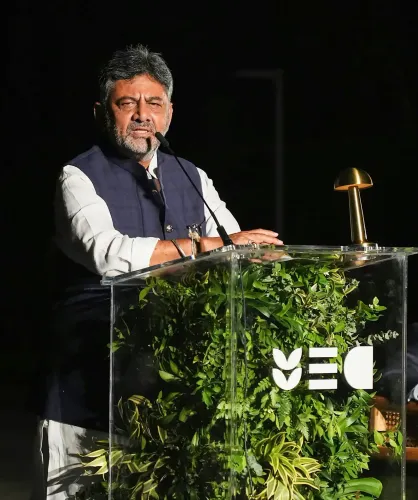
Exam fraud has haunted Karnataka's public recruitment for years — and Chief Minister DK Shivakumar moved decisively on Thursday, 12 November 2026, convening a high-level virtual meeting at his official residence Krishna to lock down preparations for upcoming Karnataka Public Service Commission (KPSC) examinations. Every district collector and superintendent of police across the state was on the call.
What Shivakumar told DCs and SPs
The Chief Minister's Office stated that the meeting focused on four clear directives: strict preventive measures against malpractice, airtight security at examination centres, a transparent examination system, and the swift implementation of necessary reforms. District collectors and police chiefs were told to treat these not as advisories but as action items ahead of the next KPSC exam cycle.
The virtual format ensured every district — from Kodagu to Bidar — was simultaneously briefed, leaving no room for uneven enforcement across the state's 31 districts.
The officials in the room — and why that matters
The meeting was not a routine departmental huddle. Minister Priyank Kharge, Chief Secretary Dr. Shalini Rajneesh, and Chief Minister's Political Secretary A.S. Ponnanna were present alongside senior officials — a lineup that signals political ownership of the issue at the highest level.
Dr. Rajneesh's presence as the state's top civil servant ensures administrative machinery is directly accountable. Kharge's attendance, as a senior cabinet voice, reinforces that exam integrity is a government-wide priority, not simply a KPSC internal matter.
Karnataka's recruitment exam problem — and why this meeting lands now
The KPSC has faced periodic controversy over alleged irregularities in its recruitment cycles. Karnataka is not alone: across India, public service commission exams have come under intense scrutiny following documented cases of paper leaks and impersonation in multiple states, forcing governments to overhaul their security frameworks.
Coordinating district collectors — the administrative authority — directly with superintendents of police on the ground represents a preventive architecture rather than a reactive one. The intent is to identify vulnerabilities before exam day, not investigate them after.
What candidates and watchdogs should track next
The real test of Thursday's directives lies in execution. Whether district-level security protocols, surveillance at exam centres, and anti-impersonation checks are uniformly deployed will determine if this meeting translates into measurable reform — or becomes another entry in a long file of well-intentioned reviews.
For the hundreds of thousands of aspirants preparing for KPSC-administered posts, a credible, tamper-proof process is not an administrative preference. It is the foundation of a fair shot at public service.
Point of View
Shivakumar is signalling political accountability over KPSC exam integrity — a pressure point that has damaged public trust in Karnataka and several other states in recent years. The inclusion of the Chief Secretary and a cabinet minister elevates the directive from bureaucratic routine to a government-wide commitment. Whether this translates into structural change or remains a one-off review will depend entirely on the follow-through visible in the next KPSC exam cycle. For a state government that has staked governance credibility on transparent administration, the bar has now been set publicly.
NationPress
12 Nov 2026
Frequently Asked Questions
Why did CM DK Shivakumar hold a meeting on KPSC exams?
CM Shivakumar convened the meeting on 12 November 2026 to issue directives on preventing exam malpractice, strengthening security at examination centres, and implementing transparency reforms ahead of upcoming KPSC recruitment cycles.
Who attended the KPSC exam security meeting?
All district collectors and superintendents of police in Karnataka participated virtually, alongside Minister Priyank Kharge, Chief Secretary Dr. Shalini Rajneesh, and Political Secretary A.S. Ponnanna.
What is KPSC and why is exam security important?
The Karnataka Public Service Commission (KPSC) conducts civil services and state recruitment examinations. Ensuring exam security is critical to maintaining a fair and credible process for lakhs of aspirants seeking government posts.
Where was the meeting held?
The meeting was conducted virtually from Chief Minister Shivakumar's official residence, Krishna, in Bengaluru.
What reforms did CM Shivakumar direct for KPSC exams?
The CM directed officials to implement strict preventive measures against malpractice, ensure security at exam centres, build a transparent examination system, and act on necessary reforms — though specific new policy outcomes from the meeting have not yet been publicly detailed.