CM Fadnavis Chairs 52nd Maharashtra Tribes Advisory Council Meet
Synopsis
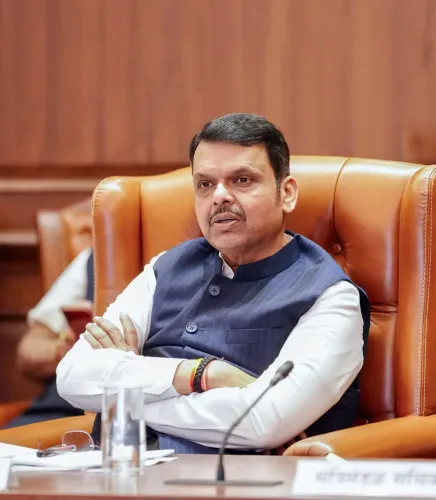
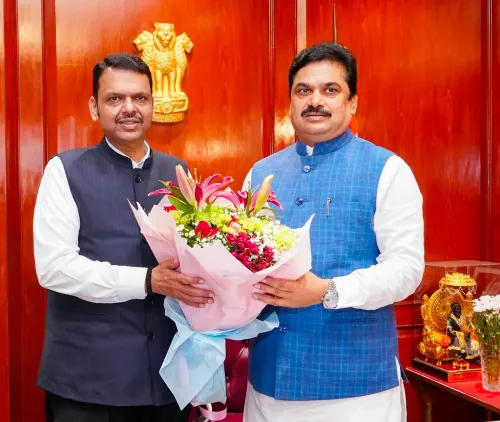
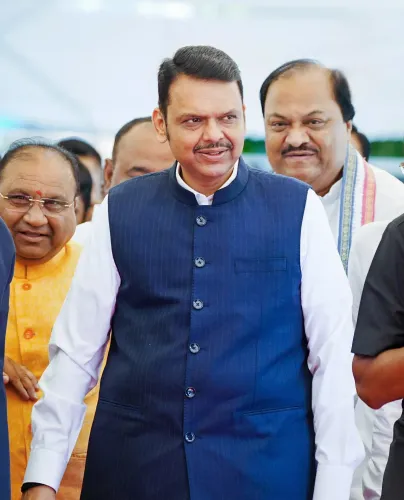
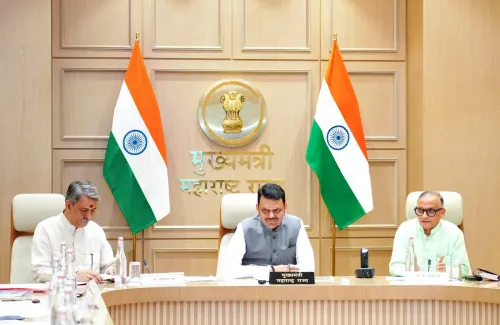
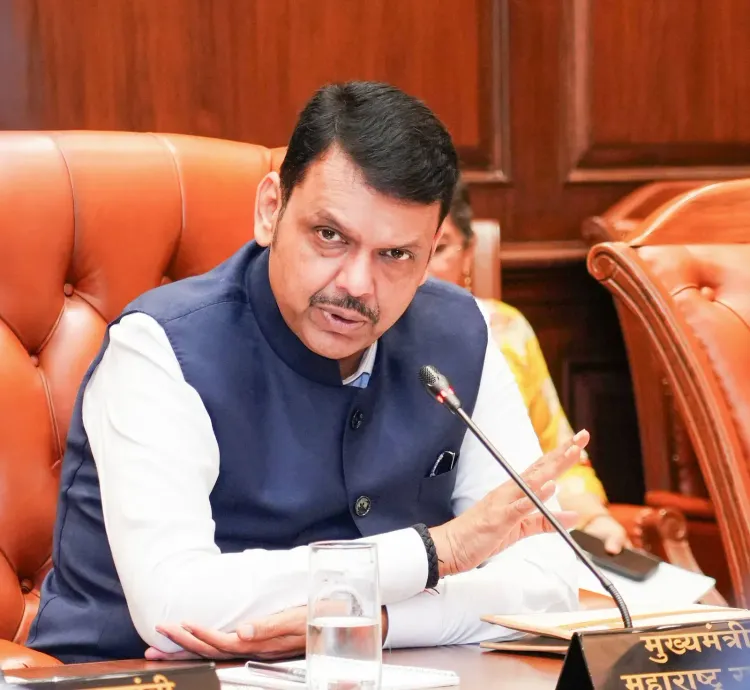
Chief Minister Devendra Fadnavis chaired the 52nd meeting of the Maharashtra State Tribes Advisory Council at Vidhan Bhavan, Mumbai, on 2 July 2026. Ministers Dr. Ashok Uike and Narhari Zirwal, MLAs, and senior officials attended the constitutional body's session focused on tribal welfare.
Key Takeaways
CM Devendra Fadnavis chaired the 52nd meeting of the Maharashtra State Tribes Advisory Council on 2 July 2026 .
The meeting was held at Vidhan Bhavan, Mumbai at 12:05 pm .
Attendees included Minister Dr.
Ashok Uike , Minister Narhari Zirwal , State Legislature members, and senior officials.
The council is a statutory body under the Fifth Schedule of the Constitution of India , mandated to advise on Scheduled Tribe welfare.
Maharashtra's Scheduled Tribe population is concentrated in districts such as Gadchiroli , Nandurbar , and Palghar .
Council decisions typically inform Tribal Sub-Plan budget allocations and departmental action plans.
Chief Minister Devendra Fadnavis presided over the 52nd meeting of the Maharashtra State Tribes Advisory Council at Vidhan Bhavan, Mumbai, on 2 July 2026 at 12:05 pm. The session was attended by Minister Dr. Ashok Uike, Minister Narhari Zirwal, members of the State Legislature, and senior government officials.
The Chief Minister's Office confirmed the meeting in a trilingual post — in English, Marathi, and Hindi — quoting the occasion as: 'मुख्यमंत्री देवेंद्र फडणवीस यांच्या अध्यक्षतेखाली महाराष्ट्र राज्य जनजाती सल्लागार परिषदेची 52 वी बैठक' ('The 52nd meeting of the Maharashtra State Tribes Advisory Council chaired by Chief Minister Devendra Fadnavis').
Context
The Maharashtra State Tribes Advisory Council is a statutory body established under the Fifth Schedule of the Constitution of India, 1950. Its mandate is to advise the state government on the welfare and advancement of Scheduled Tribes, particularly in areas falling under the Fifth Schedule. The council provides a formal legislative-executive interface for tribal affairs.
The meeting was held at Vidhan Bhavan, the seat of the Maharashtra Legislature, underscoring the constitutional character of the council's functioning. The presence of elected legislators alongside senior bureaucrats reflects the council's dual role as both a policy-advisory and an oversight body.
Policy Backdrop
The Fifth Schedule framework requires states with Scheduled Areas to maintain active Tribes Advisory Councils, making regular meetings a constitutional obligation rather than a discretionary exercise. The Scheduled Tribes and Other Traditional Forest Dwellers (Recognition of Forest Rights) Act, 2006 added further dimensions to the council's remit, covering tribal land rights, forest resource access, and community governance.
Maharashtra governments across administrations have used the council to align the Tribal Sub-Plan allocations with on-ground welfare delivery. The state is home to one of India's larger Scheduled Tribe populations, concentrated in districts such as Gadchiroli, Nandurbar, and Palghar, where issues of education, health infrastructure, and land tenure remain persistent policy priorities.
Stakeholders and Impact
The council's deliberations directly concern Scheduled Tribe communities across Maharashtra, who rely on state-level policy decisions for access to reservation benefits, forest rights, and targeted development schemes. Ministers Dr. Ashok Uike and Narhari Zirwal — both associated with tribal affairs portfolios in the Fadnavis cabinet — were among the senior political figures present, signalling active ministerial engagement.
The involvement of MLAs from tribal constituencies alongside senior officials suggests the meeting served as a coordination forum between legislative representatives and the executive machinery responsible for implementing tribal welfare programmes.
What's Next
Follow-up action from the 52nd council meeting is likely to be reflected in administrative directives to tribal welfare departments and, in due course, in budget allocations for the Tribal Sub-Plan in the next legislative session. Decisions taken at the council level typically feed into departmental action plans and are reviewed in subsequent assembly proceedings.
With CM Fadnavis personally chairing the session, the meeting signals continued political attention to tribal governance at the highest level of the Maharashtra government — a dynamic that observers will watch as the state approaches its next budget cycle.
Point of View
The session underscores the Mahayuti government's effort to project constitutional diligence on Scheduled Tribe issues. The council's role sits at the intersection of legislative oversight and executive action, making its regularity a bellwether for how seriously a government treats Fifth Schedule obligations. Outcomes from this meeting will be a key data point for civil society groups monitoring Tribal Sub-Plan expenditure and forest rights implementation in districts like Gadchiroli and Nandurbar.
NationPress
2 Jul 2026
Frequently Asked Questions
What is the Maharashtra State Tribes Advisory Council?
The Maharashtra State Tribes Advisory Council is a statutory body constituted under the Fifth Schedule of the Constitution of India to advise the state government on the welfare and advancement of Scheduled Tribes, especially in Scheduled Areas.
Who chaired the 52nd meeting of the Maharashtra Tribes Advisory Council?
Chief Minister Devendra Fadnavis chaired the 52nd meeting of the Maharashtra State Tribes Advisory Council on 2 July 2026 at Vidhan Bhavan, Mumbai.
Who attended the 52nd Tribes Advisory Council meeting in Maharashtra?
Minister Dr. Ashok Uike, Minister Narhari Zirwal, members of the Maharashtra State Legislature, and senior government officials attended the meeting.
Where was the 52nd Maharashtra Tribes Advisory Council meeting held?
The meeting was held at Vidhan Bhavan, Mumbai — the seat of the Maharashtra Legislature — on 2 July 2026.
What is the significance of the Tribes Advisory Council under the Fifth Schedule?
Under the Fifth Schedule of the Constitution, states with Scheduled Areas are required to maintain a Tribes Advisory Council to provide legislative and executive oversight of tribal welfare, land rights, and development programmes — making its regular functioning a constitutional obligation.