CM Fadnavis Expands Rural Cluster Scheme to Assembly Level
Synopsis
Maharashtra CM Devendra Fadnavis chaired a Mumbai meeting on 18 June 2026 to expand the Sansadiya Sankul Vikas Pariyojana to the assembly constituency level, directing officials to form village clusters and appoint nodal officers to improve welfare delivery in tribal and remote areas.
Key Takeaways
Maharashtra CM Devendra Fadnavis chaired a meeting in Mumbai on 18 June 2026 to expand the Sansadiya Sankul Vikas Pariyojana to the assembly constituency level.
Officials were directed to form clusters of 10 to 20 villages per constituency to maximise the impact of welfare schemes.
A dedicated Nodal Officer will be appointed per constituency for inter-departmental coordination.
The PM Surya Ghar Yojana and other central schemes are to be converged and delivered to every tribal and remote family.
Key priorities include women's empowerment, water conservation, skill development and market linkages for youth.
The scheme is already implemented across seven states including Maharashtra , with this expansion deepening its reach at the grassroots level.
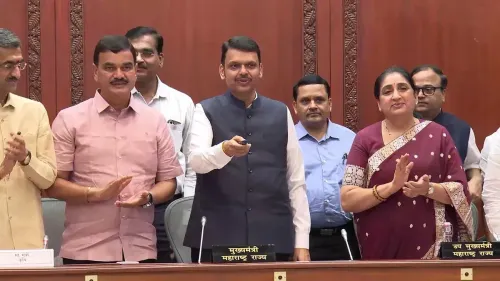
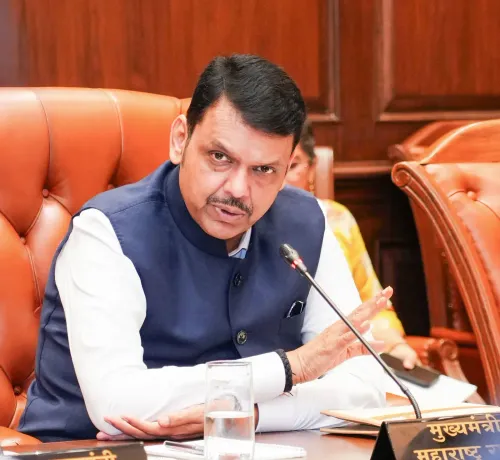
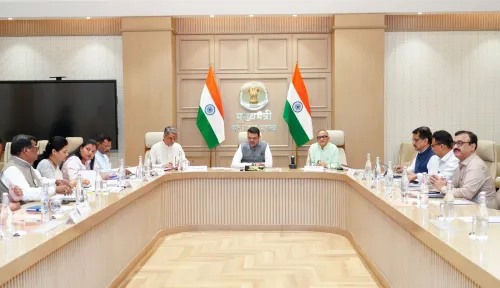
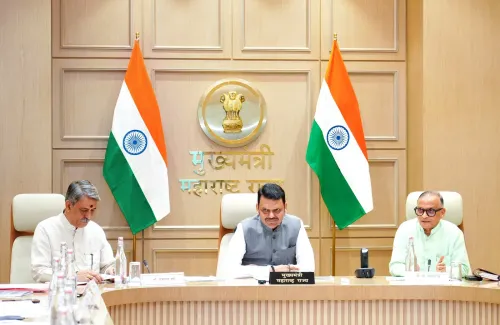
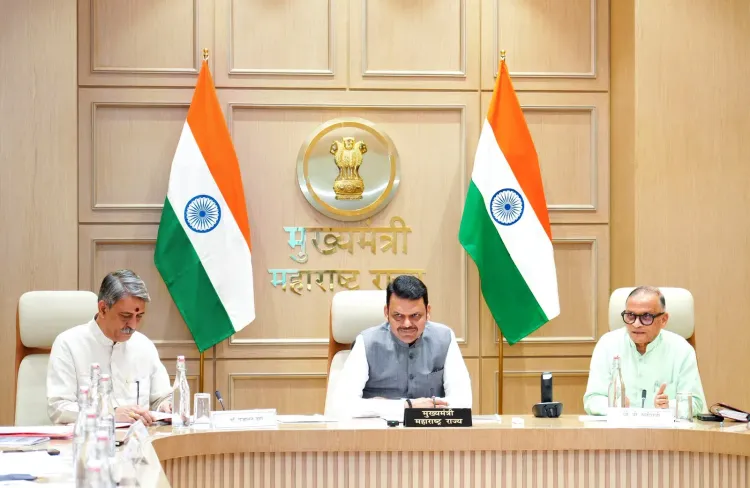
Maharashtra Chief Minister Devendra Fadnavis on Thursday, 18 June 2026 chaired a meeting in Mumbai to expand the Sansadiya Sankul Vikas Pariyojana from the parliamentary to the assembly constituency level across Maharashtra, signalling a sharper focus on last-mile delivery of welfare schemes in tribal and remote areas.
Context
Addressing officials and key stakeholders, Fadnavis directed that village clusters of 10 to 20 villages per assembly constituency be formed to maximise the reach of welfare initiatives. A dedicated Nodal Officer will be appointed in each constituency to ensure inter-departmental coordination and timely execution. The Chief Minister emphasised that schemes such as the PM Surya Ghar Yojana must reach 'every single family from tribal and remote areas.'
The meeting was attended by MP Dr. Hemant Savara, Sansadiya Sankul Vikas Pariyojana Rashtriya Sanghatak V. Satish, former Minister of State Bharatitai Pawar, former MP Heenatai Gavit, and Dr. Gajanan Dange, Founder and President of the YOJAK Center for Research and Strategic Planning for Sustainable Development, along with senior officials.
Policy Backdrop
The Sansadiya Sankul Vikas Pariyojana is a cluster-based rural and tribal development initiative currently implemented across seven states including Maharashtra. Its design draws on the convergence model pioneered by the Sansad Adarsh Gram Yojana, launched in October 2014, which enabled Members of Parliament to adopt and develop model villages by linking parliamentary representatives with district administration in tribal and backward regions.
The scheme's expansion to the assembly constituency level is intended to bring governance closer to the ground. Core priorities outlined by Fadnavis include women's empowerment, tree plantation, water conservation, preservation of natural resources, and providing market linkages and skill development opportunities for youth — components that align with frameworks under the National Rural Livelihoods Mission and Forest Rights Act implementation.
Stakeholders and Impact
Maharashtra has significant Scheduled Tribe populations concentrated in regions such as Vidarbha, North Maharashtra and parts of Konkan — areas historically vulnerable to out-migration driven by lack of local employment. The scheme's stated goal of 'curbing migration caused by a lack of local employment' directly targets this demographic pressure.
Rural women are a focal point of the expanded programme, with empowerment explicitly listed as a priority pillar. Youth in remote areas stand to benefit from structured skill development and market linkage components, while the integration of PM Surya Ghar Yojana is expected to extend rooftop solar access to underserved tribal households.
What's Next
Officials have been directed to begin forming 10-to-20-village clusters at the assembly constituency level, with Nodal Officers to be appointed for inter-departmental coordination. The measurable integration of PM Surya Ghar Yojana and allied welfare schemes in tribal hamlets is expected to feature in 2026-27 district planning cycles. The success of the expansion will hinge on how effectively the new cluster structure bridges the gap between scheme design and delivery in Maharashtra's most remote communities.
Point of View
The government is attempting to solve the perennial last-mile problem in tribal welfare without creating a parallel bureaucracy. The explicit focus on curbing out-migration signals an awareness that Maharashtra's tribal belt faces structural economic stress that symbolic schemes alone cannot address. Whether the convergence of PM Surya Ghar Yojana and allied programmes translates into measurable outcomes will be the real test of this expansion's credibility.
NationPress
18 Sept 2026
Frequently Asked Questions
What is the Sansadiya Sankul Vikas Pariyojana?
The Sansadiya Sankul Vikas Pariyojana is a cluster-based rural and tribal development initiative implemented across seven states, including Maharashtra, designed to promote holistic growth and convergence of welfare schemes in remote and tribal areas.
Why is Maharashtra expanding the Sansadiya Sankul Vikas Pariyojana to assembly constituencies?
Maharashtra CM Devendra Fadnavis directed the expansion to bring welfare scheme delivery closer to the grassroots, improve last-mile reach in tribal and remote areas, and curb out-migration caused by lack of local employment.
What is the village cluster model announced by CM Fadnavis?
Officials have been directed to form groups of 10 to 20 villages per assembly constituency to maximise the impact of welfare programmes, with a dedicated Nodal Officer appointed in each constituency for inter-departmental coordination.
How does PM Surya Ghar Yojana fit into this scheme?
CM Fadnavis instructed officials to ensure the PM Surya Ghar Yojana — a central government rooftop solar scheme — reaches every family in tribal and remote areas as part of the broader welfare convergence under the expanded Sansadiya Sankul Vikas Pariyojana.
Who attended the Sansadiya Sankul Vikas Pariyojana meeting in Mumbai?
The meeting was attended by MP Dr. Hemant Savara, Rashtriya Sanghatak V. Satish, former MoS Bharatitai Pawar, former MP Heenatai Gavit, Dr. Gajanan Dange of YOJAK Center for Research and Strategic Planning for Sustainable Development, and senior officials.