CM Fadnavis to Expand Sansadiya Sankul Scheme to Assembly Level
Synopsis
Chief Minister Devendra Fadnavis has directed the expansion of the Sansadiya Sankul Vikas Pariyojana — active in seven states — to Maharashtra's assembly constituencies, with clusters of 10 to 20 villages, nodal officers for coordination, and convergence of schemes including PM Suryaghar Yojana to curb rural migration.
Key Takeaways
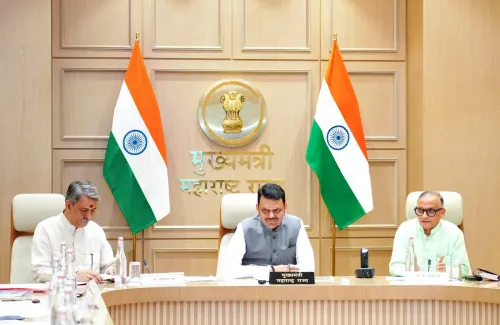
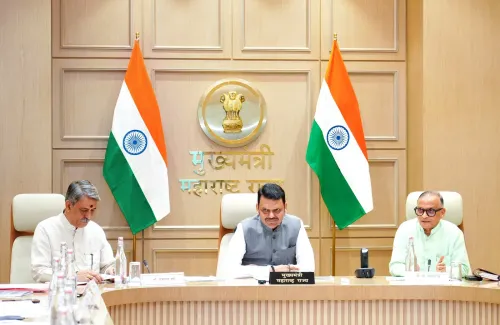
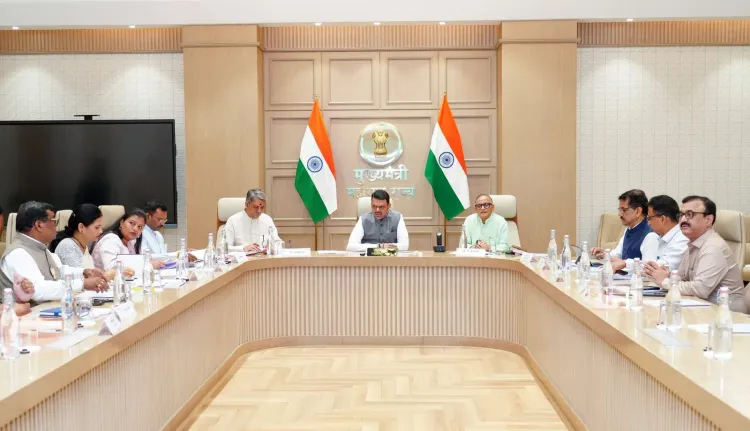
CM Devendra Fadnavis chaired a review meeting at Varsha residence, Mumbai on 18 June 2026 and directed assembly-level expansion of the Sansadiya Sankul Vikas Pariyojana .
The programme currently operates in seven Indian states with Yojak Centre for Research and Strategic Planning for Sustainable Development as knowledge partner.
Each assembly constituency will have clusters of 10 to 20 villages for coordinated scheme delivery.
Nodal officers will be appointed per constituency cluster to ensure inter-departmental coordination.
Key focus areas include women's empowerment, youth skill development, water conservation, tree plantation , and integration of the PM Suryaghar Yojana .
The initiative specifically targets tribal and remote regions to reduce rural outmigration and improve livelihood opportunities.
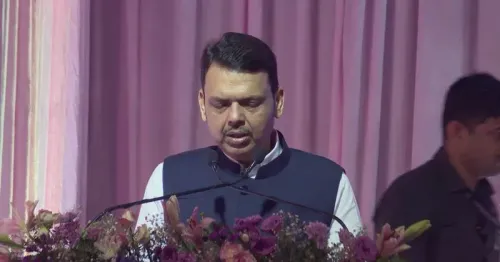
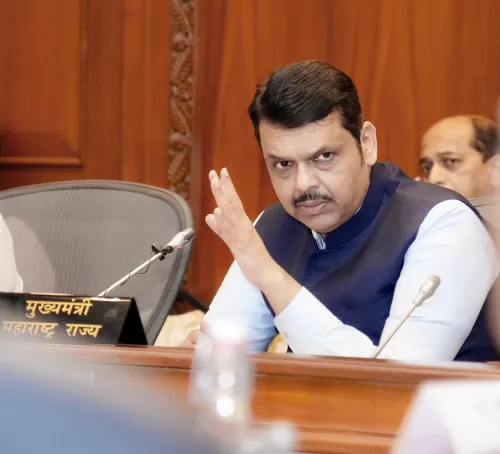
The Chief Minister's Office of Maharashtra announced on Thursday, 18 June 2026 that Chief Minister Devendra Fadnavis has directed the expansion of the Sansadiya Sankul Vikas Pariyojana from parliamentary constituencies to assembly constituencies across the state. The announcement came at a review meeting chaired by CM Fadnavis at his official Varsha residence in Mumbai.
Context
The Sansadiya Sankul Vikas Pariyojana is a constituency-focused integrated development programme currently operational in seven Indian states, implemented with Yojak Centre for Research and Strategic Planning for Sustainable Development as the knowledge partner. In Maharashtra, the programme has already recorded a strong response in tribal and remote regions, prompting the state government to scale it further down to the assembly constituency level for wider reach.
CM Fadnavis stated — 'या परियोजनेचा विस्तार विधानसभा क्षेत्रापर्यंत वाढविण्यात येईल' ('This project will be expanded up to the assembly constituency level') — underlining the administration's intent to deepen ground-level delivery of welfare schemes.
Policy Backdrop
The programme's expansion is driven by three stated objectives: creating sustainable livelihood opportunities in rural areas, curbing outmigration caused by lack of local employment, and ensuring effective convergence of government schemes at the grassroots. CM Fadnavis specifically directed that every family in targeted areas must benefit from schemes spanning agriculture, irrigation, employment generation, skill development, and improved living standards.
The Pradhan Mantri Suryaghar Yojana — the central government's rooftop solar scheme — was explicitly cited as one of the programmes to be actively channelled through this initiative, reflecting a broader pattern of state governments embedding centrally sponsored schemes within their own convergence frameworks.
Stakeholders and Impact
Under the expanded model, each assembly constituency will see clusters of 10 to 20 villages brought together for coordinated development. The framework prioritises women's empowerment, youth skill development and market linkages, tree plantation, water conservation, and natural resource management as pillars of long-term sustainable growth.
To ensure inter-departmental coordination, nodal officers will be appointed for each constituency cluster. The meeting was attended by MP Dr Hemant Savara, Yojak Centre founder and president Dr Gajanan Dange, former Union Minister of State Dr Bharati Pawar, and former MP Heena Gavit, alongside senior state officials — signalling cross-party and civil-society buy-in for the initiative.
Tribal communities and rural households in Maharashtra's hinterland stand to be the primary beneficiaries, as the programme specifically targets areas where state scheme penetration has historically been low and migration pressure high.
What's Next
The immediate next steps involve operationalising the village cluster model of 10–20 villages per assembly constituency and formally appointing nodal officers to anchor inter-departmental coordination. The Yojak Centre will continue as the knowledge partner, bringing its multi-state implementation experience to Maharashtra's assembly-level rollout.
If the expansion proceeds as directed, Maharashtra could become a template for other states seeking to bridge the gap between parliamentary-level planning and the last-mile delivery that assembly constituencies demand — particularly in tribal belts where scheme convergence has remained elusive.
Point of View
With roughly one-sixth the population of a Lok Sabha seat, is a more granular unit for last-mile scheme convergence. By embedding nodal officers and village clusters at this level, the Fadnavis administration is attempting to address a persistent structural gap — that centrally sponsored schemes often lose momentum between district planning and household delivery. The explicit mention of PM Suryaghar Yojana alongside agriculture, irrigation and skilling signals an intent to use this framework as a multi-ministry convergence vehicle rather than a standalone rural programme. The presence of former Union ministers and the knowledge partner at the same table also suggests the model has political as well as bureaucratic backing, which typically aids faster on-ground rollout.
NationPress
19 Sept 2026
Frequently Asked Questions
What is the Sansadiya Sankul Vikas Pariyojana?
The Sansadiya Sankul Vikas Pariyojana is a constituency-focused integrated rural development programme implemented in seven Indian states with Yojak Centre for Research and Strategic Planning for Sustainable Development as the knowledge partner. It focuses on tribal and remote areas, aiming to deliver sustainable livelihoods, scheme convergence, and reduce outmigration.
Why is CM Fadnavis expanding the scheme to assembly constituencies?
CM Devendra Fadnavis stated the expansion is necessary to create sustainable livelihood opportunities in rural areas, stop outmigration caused by lack of local work, and ensure effective implementation of government schemes at the grassroots level.
How will the village cluster model work under this expansion?
Each assembly constituency will have clusters of 10 to 20 villages grouped together for coordinated development. Nodal officers will be appointed to manage inter-departmental coordination within each cluster.
Which schemes will be integrated through this programme in Maharashtra?
CM Fadnavis directed that the PM Suryaghar Yojana, along with schemes related to agriculture, irrigation, employment generation, and skill development, should reach every family in the targeted areas through this initiative.
Who attended the meeting at Varsha residence on 18 June 2026?
The meeting was attended by MP Dr Hemant Savara, Yojak Centre founder Dr Gajanan Dange, former Union Minister of State Dr Bharati Pawar, former MP Heena Gavit, and senior state government officials.