Maharashtra allocates ₹25,000 crore for tribal development under Sansadiya Sankul Vikas Pariyojana
Synopsis
Maharashtra has committed ₹25,000 crore to tribal development through the Sansadiya Sankul Vikas Pariyojana — a cluster-based scheme years in the making that is only now being formally launched. With early results from Nandurbar showing agricultural gains, the government is betting that convergence of Central and state schemes, backed by strong monitoring, can finally reverse tribal migration and poverty in Maharashtra's most underserved districts.
Key Takeaways
Maharashtra CM Devendra Fadnavis announced a ₹25,000 crore allocation for tribal development on 1 October 2026 .
The funds will flow through the Sansadiya Sankul Vikas Pariyojana , a village-cluster development initiative.
Key goals include generating rural employment, curbing migration, and improving quality of life in tribal areas.
Pilot implementation in Nandurbar district has reportedly shown encouraging outcomes, especially in agriculture.
Fadnavis called for convergence of Central and state schemes, with rigorous monitoring to ensure benefits reach actual beneficiaries.
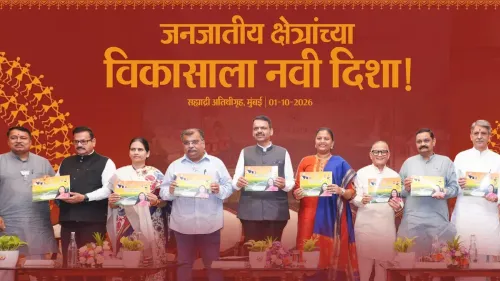
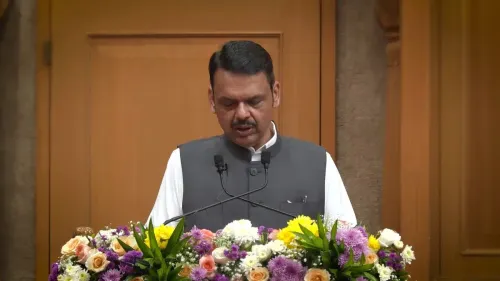
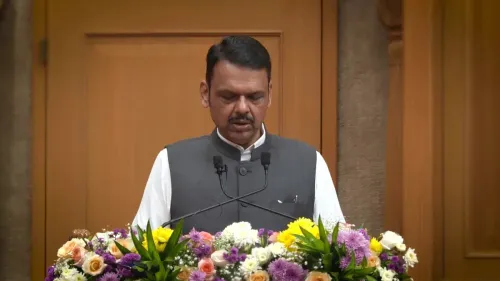
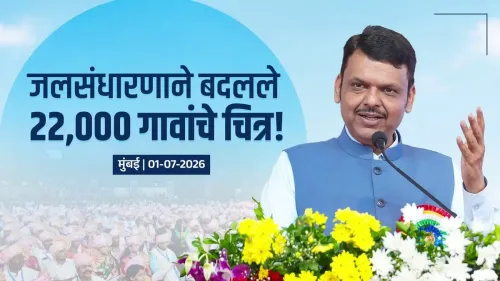
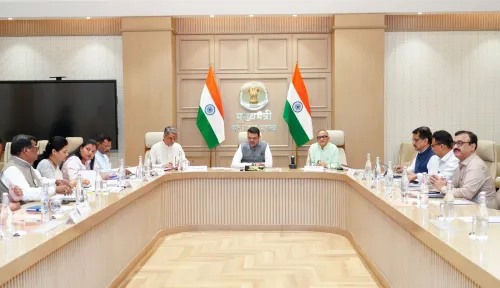
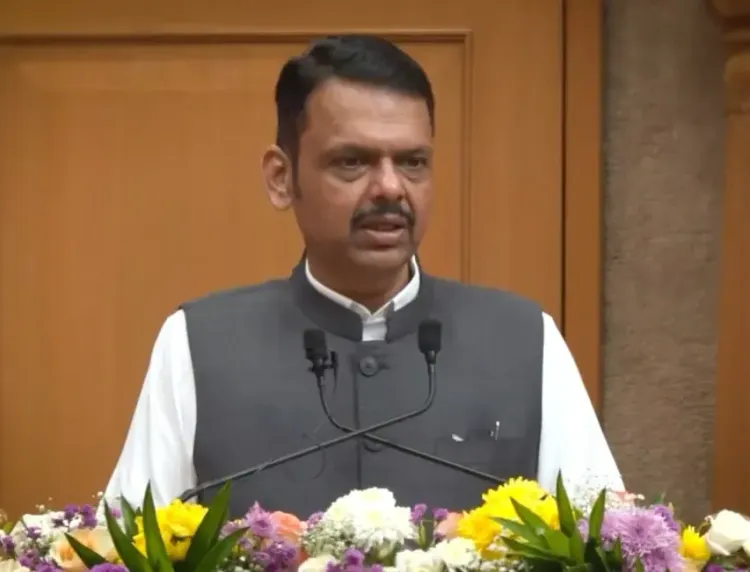
Maharashtra Chief Minister Devendra Fadnavis on Thursday, 1 October 2026, announced that the state government has allocated ₹25,000 crore for tribal development through the Sansadiya Sankul Vikas Pariyojana, a cluster-based village development initiative. Fadnavis made the announcement at the formal inauguration ceremony of the scheme in Mumbai, underscoring the government's intent to implement targeted action plans under the initiative.
What the Initiative Aims to Achieve
According to Chief Minister Fadnavis, the Sansadiya Sankul Vikas Pariyojana is designed to bring about social transformation in tribal areas by generating employment opportunities within villages, curbing migration to cities, and improving overall quality of life. The scheme's core objectives include developing tribal regions, enhancing citizens' living standards, and creating sustainable livelihoods at the grassroots level.
Fadnavis stressed the need to adopt an integrated approach — developing village clusters rather than focusing on individual villages — and called for convergence of both Central and state government schemes to maximise impact in tribal belts.
Early Results and Pilot Progress
The concept was reportedly introduced five to six years ago and is now being formally rolled out at scale. Early implementation in Nandurbar district has reportedly yielded encouraging results, particularly for the agriculture sector, which in turn has contributed to improved living conditions for local communities. Nandurbar, one of Maharashtra's most tribal-dominated districts, has historically faced acute development deficits, making these initial gains significant.
Central-State Convergence and Monitoring
The Chief Minister noted that two Central government schemes specifically formulated for tribal areas are already accelerating development in these regions. He called for effective implementation across sectors including education, healthcare, and employment, and emphasised the importance of robust monitoring to ensure benefits reach intended beneficiaries rather than getting lost in administrative layers.
Fadnavis reiterated that without consistent oversight, scheme outcomes risk falling short of their stated goals — a concern that has historically plagued tribal welfare programmes across several states.
Who Was Present
The inauguration was attended by Tribal Development Minister Ashok Uike, former Union Minister of State Bharati Pawar, MLAs Ravindra Chavan and Yogesh Sagar, Gajanan Dange of the implementing organisation, and Sansadiya Sankul Pariyojana Coordinator V. Satish, among others.
What Comes Next
With the formal launch now complete, the government is expected to roll out action plans district by district across Maharashtra's tribal corridors. Whether the ₹25,000 crore outlay translates into measurable improvements in migration rates and agricultural incomes will be closely watched — particularly in districts that have long lagged on human development indices.
Point of View
000 crore tribal development allocation is significant on paper, but Maharashtra's tribal belts — from Nandurbar to Gadchiroli — have seen successive scheme announcements without commensurate improvements in migration or poverty data. The cluster-based model is structurally sounder than single-village targeting, yet the admission that the concept has been 'in development for five to six years' raises legitimate questions about implementation velocity. The real test will be whether monitoring mechanisms are independent and granular enough to catch diversion and delays — the chronic failure point of tribal welfare spending across India.
NationPress
1 Oct 2026
Frequently Asked Questions
What is the Sansadiya Sankul Vikas Pariyojana announced by Maharashtra?
It is a village-cluster-based tribal development initiative formally launched by Maharashtra Chief Minister Devendra Fadnavis on 1 October 2026, with an allocation of ₹25,000 crore. The scheme aims to generate employment, prevent migration, and improve quality of life in tribal areas by converging Central and state government programmes.
How much has Maharashtra allocated for tribal development under this scheme?
The Maharashtra government has allocated ₹25,000 crore for tribal development through the Sansadiya Sankul Vikas Pariyojana, as announced by Chief Minister Devendra Fadnavis at the scheme's inauguration on 1 October 2026.
Which district has already seen results from this initiative?
Nandurbar district has reportedly recorded encouraging early results, particularly in the agriculture sector, following pilot implementation of the Sansadiya Sankul Vikas Pariyojana. These gains are said to have improved the quality of life for residents in the area.
What are the main objectives of the Sansadiya Sankul Vikas Pariyojana?
The scheme's primary objectives are to develop tribal areas, improve citizens' quality of life, generate local employment, and prevent migration to urban centres. It also aims to integrate Central and state government schemes under a unified, cluster-based development framework.
Who will oversee the implementation of the scheme?
Chief Minister Fadnavis has called for effective monitoring to ensure benefits reach actual beneficiaries. Tribal Development Minister Ashok Uike and Sansadiya Sankul Pariyojana Coordinator V. Satish are among the officials associated with the initiative's rollout.