CM Fadnavis Chairs Meet on Sansadiya Sankul Vikas Pariyojana
Synopsis
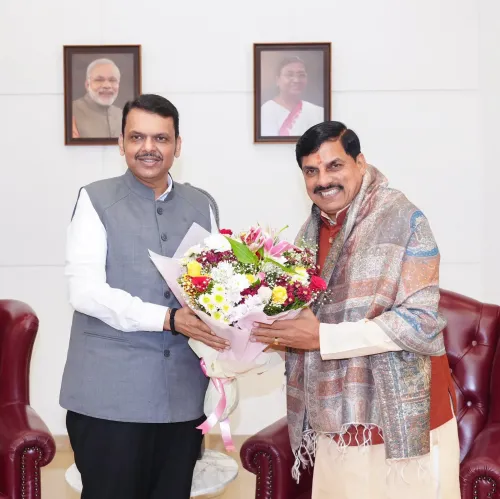
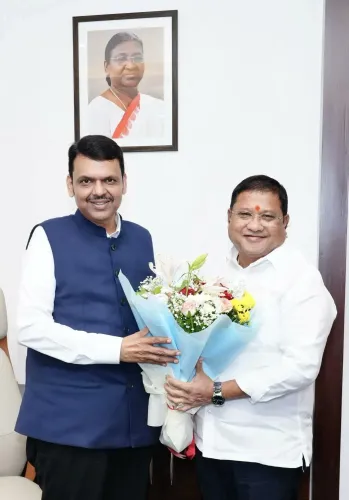
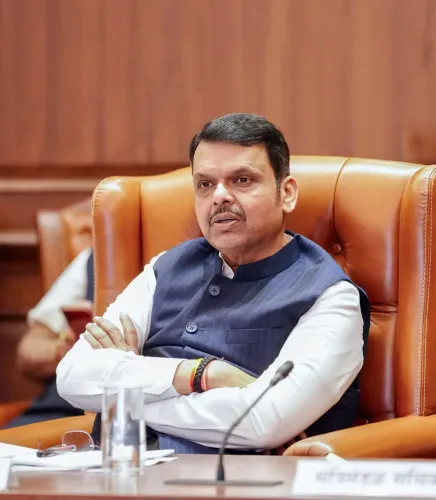
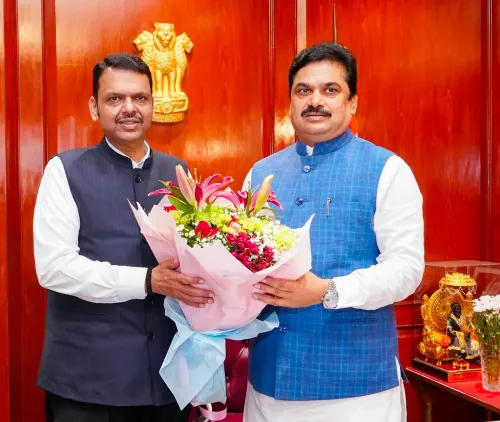
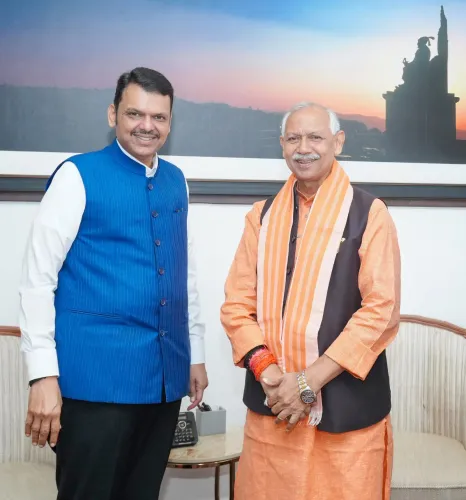
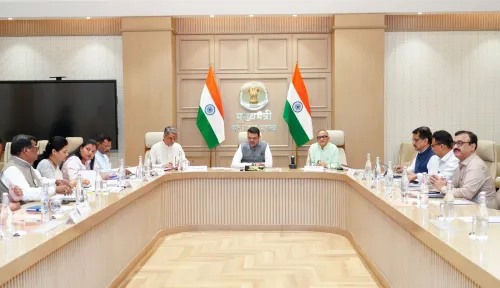
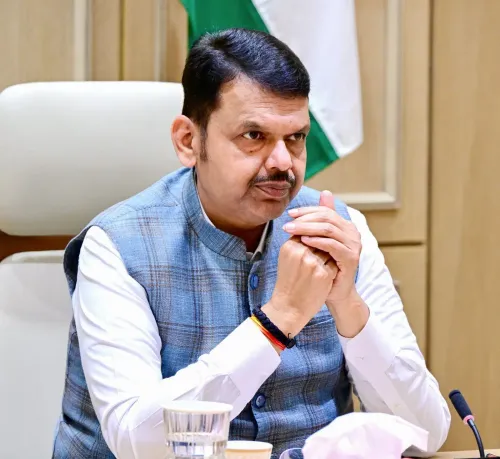
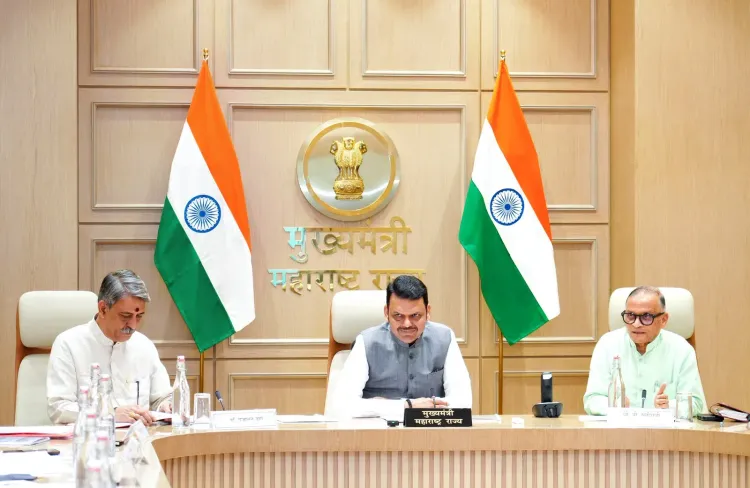
Chief Minister Devendra Fadnavis chaired a meeting at Varsha Bungalow on 18 June 2026 on the Sansadiya Sankul Vikas Pariyojana, with MP Dr. Hemant Savara, think-tank head Dr. Gajanan Dange, former MoS Dr. Bharati Pawar, former MP Heena Gavit and senior officials in attendance.
Key Takeaways
CM Devendra Fadnavis chaired a dedicated meeting on the Sansadiya Sankul Vikas Pariyojana at Varsha Bungalow, Mumbai on 18 June 2026 .
Hemant Savara (Palghar) and former MP Heena Gavit (Nandurbar) — both representing north Maharashtra constituencies — attended, signalling a regional dimension to the project.
Former Union Minister of State Dr.
Bharati Pawar and sustainable-development expert Dr.
Gajanan Dange of YOJAK Center provided policy inputs.
The project's framing incorporates sustainable-development principles, in line with post- G20 2023 central government guidelines on green public buildings.
No formal project scope, budget, or timeline has been announced; follow-up resolutions or allocations are expected in the next legislative session or state budget.
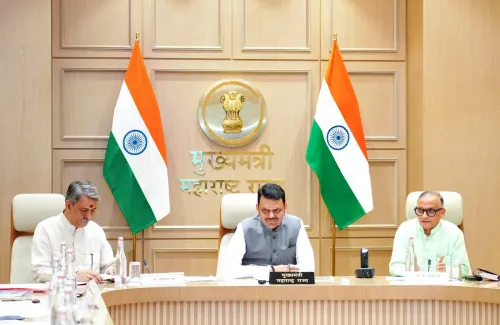
The Chief Minister's Office of Maharashtra announced on Thursday, 18 June 2026 that Chief Minister Devendra Fadnavis chaired a high-level meeting at Varsha Bungalow, Mumbai regarding the Sansadiya Sankul Vikas Pariyojana — a parliamentary complex development project — bringing together sitting and former lawmakers alongside policy experts.
Context
The meeting, held at the Chief Minister's official residence, was attended by MP Dr. Hemant Savara (Palghar), Dr. Gajanan Dange — Founder and President of YOJAK Center for Research and Strategic Planning for Sustainable Development — former Union Minister of State Dr. Bharati Pawar, former MP Heena Gavit, and senior state officials. The trilingual post — issued in English, Marathi, and Hindi — signals the broad stakeholder base the project is intended to serve.
The CMO's post stated: 'मुख्यमंत्री देवेंद्र फडणवीस यांच्या अध्यक्षतेखाली संसदीय संकुल विकास परियोजनेसंदर्भात बैठक' ['A meeting regarding the Parliamentary Complex Development Project under the chairmanship of Chief Minister Devendra Fadnavis']. The inclusion of a Mumbai-based sustainable-development think tank alongside elected representatives underlines the project's ambition to blend legislative infrastructure with long-term planning frameworks.
Policy Backdrop
Devendra Fadnavis, a BJP leader who previously served as Chief Minister from 2014 to 2019, has overseen multiple large-scale state infrastructure programmes in his current term. Maharashtra governments have periodically convened cross-party and expert-level meetings to plan legislative and administrative complexes beyond Mumbai, reflecting a recurring policy priority across successive administrations.
The involvement of YOJAK Center, a Mumbai-based research organisation that provides policy inputs on sustainable development, mirrors the central government's own push for green public buildings — a framework reinforced after India's G20 presidency in 2023. Sustainable-development criteria are increasingly embedded in large public infrastructure projects at both the central and state levels.
Stakeholders and Impact
The presence of Dr. Hemant Savara from Palghar and former MP Heena Gavit from Nandurbar — both constituencies with significant Scheduled Tribe populations in north Maharashtra — aligns with the state's long-standing efforts to extend quality infrastructure to Palghar, Nandurbar, and Nashik divisions. Their participation suggests the Pariyojana may have a regional dimension that addresses historically underserved legislative or administrative infrastructure needs.
Dr. Bharati Pawar, who served as Union Minister of State for Health and Family Welfare from the Dindori Lok Sabha seat, adds a former central-government perspective to the deliberations. District administrations in north Maharashtra are among the key stakeholder bodies expected to be engaged as planning progresses.
What's Next
No formal project scope, timeline, or budgetary outlay was announced following the meeting. Observers will watch for follow-up government resolutions or specific allocations in the next Maharashtra legislative session or the forthcoming state budget. The convening of a dedicated expert-and-lawmaker group at the Chief Minister's level typically precedes the preparation of a detailed project report or a cabinet note.
Should the Sansadiya Sankul Vikas Pariyojana advance to formal approval, it could set a precedent for how Maharashtra integrates sustainable-development standards into state-level legislative infrastructure — a model other large states may look to replicate.
Point of View
A former central minister, a former MP from a tribal constituency, and a think tank — suggests the Sansadiya Sankul Vikas Pariyojana is being positioned as more than routine administrative construction. Fadnavis has consistently used expert-committee formats to build political and technocratic consensus before advancing large projects, a pattern visible in earlier infrastructure pushes during his first term. The north Maharashtra representation points to a deliberate effort to address infrastructure equity concerns in Scheduled Tribe-heavy regions, which have historically lagged in legislative and administrative facilities. Whether this translates into a budgetary commitment in the next session will be the real test of the project's momentum.
NationPress
19 Sept 2026
Frequently Asked Questions
What is the Sansadiya Sankul Vikas Pariyojana in Maharashtra?
The Sansadiya Sankul Vikas Pariyojana is a parliamentary complex development project being planned by the Maharashtra government. Chief Minister Devendra Fadnavis chaired a meeting on it on 18 June 2026 at Varsha Bungalow, Mumbai, though the full scope and location have not yet been officially announced.
Who attended the Sansadiya Sankul Vikas Pariyojana meeting on 18 June 2026?
The meeting was chaired by CM Devendra Fadnavis and attended by MP Dr. Hemant Savara, Dr. Gajanan Dange of YOJAK Center, former Union MoS Dr. Bharati Pawar, former MP Heena Gavit, and senior state officials.
What is YOJAK Center and why was it at the Maharashtra CM's meeting?
YOJAK Center for Research and Strategic Planning for Sustainable Development is a Mumbai-based policy research organisation. Its Founder-President Dr. Gajanan Dange was present at the 18 June 2026 meeting to provide sustainable-development expertise for the Sansadiya Sankul Vikas Pariyojana.
Where was the Sansadiya Sankul Vikas Pariyojana meeting held?
The meeting was held at Varsha Bungalow in Mumbai, which is the official residence of the Chief Minister of Maharashtra.
What happens next after the Sansadiya Sankul Vikas Pariyojana meeting?
No budget or timeline was announced after the 18 June 2026 meeting. Follow-up government resolutions or financial allocations are expected to emerge in the next Maharashtra legislative session or state budget.