CM Fadnavis Launches Tribal Cluster Development Plan in Mumbai
Synopsis
Maharashtra CM Devendra Fadnavis launched the 'Janjatiya Sankul Vikas Pariyojana' in Mumbai on October 1, 2026, framing it as a cluster-based, integrated development model for the state's tribal regions — addressing infrastructure, livelihood, and social services in one convergent framework.
Key Takeaways
Maharashtra CM Devendra Fadnavis launched the Janjatiya Sankul Vikas Pariyojana in Mumbai on October 1, 2026 .
The project's stated concept is the integrated (samagra) development of tribal areas across Maharashtra.
A 'cluster' model groups proximate tribal settlements to concentrate infrastructure and social-sector delivery.
The announcement was made in both Marathi and Hindi , reflecting the multilingual spread of Maharashtra's tribal communities.
Tribal regions in Konkan, Nashik, Amravati, and Nagpur divisions are among those expected to be covered.
The Mumbai launch signals tribal welfare as a mainstream state-level policy priority for the Fadnavis government.
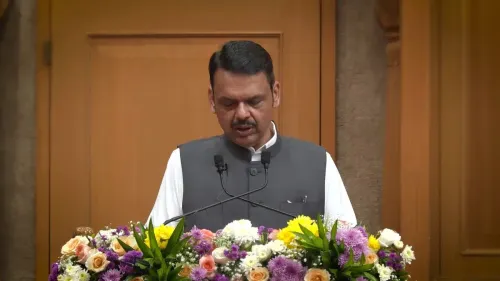
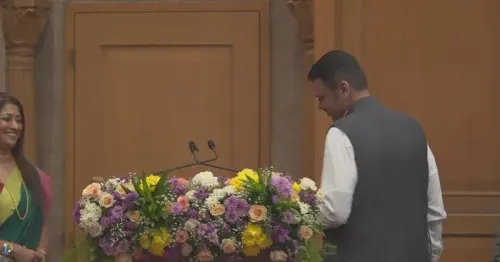
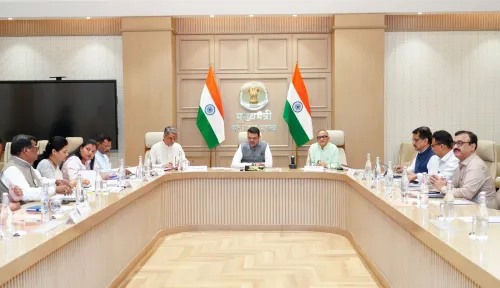
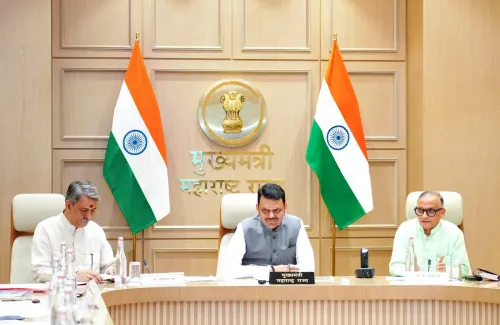
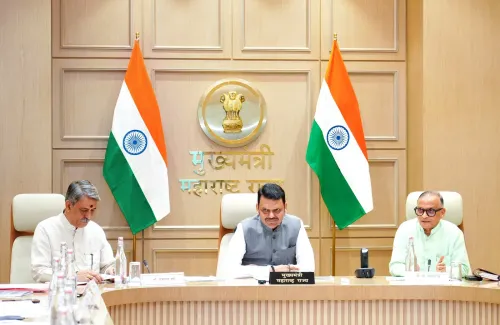
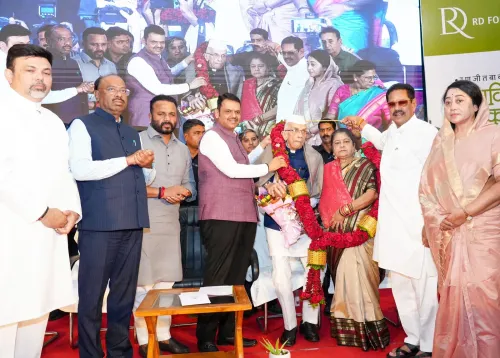
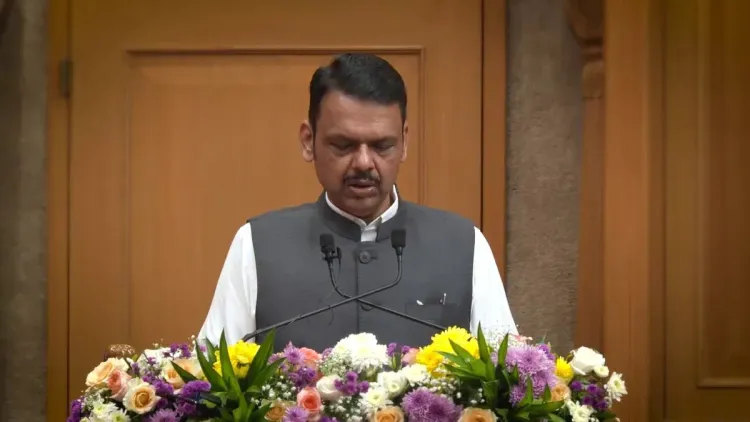
Integrated development for Maharashtra's tribal regions moved from aspiration to action on Thursday, October 1, 2026, as Maharashtra Chief Minister Devendra Fadnavis participated in the launch of the 'Janjatiya Sankul Vikas Pariyojana' — a tribal cluster development project — at a dedicated programme held in Mumbai.
Sharing the project's guiding principle, CM Fadnavis stated: 'जनजातीय क्षेत्रांचा एकात्मिक विकास करणे ही जनजातीय संकुल विकास परियोजनेची संकल्पना आहे' — ('The concept of the Janjatiya Sankul Vikas Pariyojana is the integrated development of tribal areas.') The message was conveyed in both Marathi and Hindi, signalling the project's reach across Maharashtra's multilingual tribal communities.
What 'Cluster Development' Means for Tribal Maharashtra
The phrase 'Sankul Vikas' — cluster development — points to a geography-first model: rather than targeting individual villages in isolation, the project groups proximate tribal settlements into clusters, enabling concentrated infrastructure, livelihood, and social-sector investment. Maharashtra is home to a significant Scheduled Tribe population spread across districts in Konkan, Nashik, Amravati, and Nagpur divisions, many of which have historically lagged on indicators such as road connectivity, healthcare access, and school retention.
A cluster approach reduces the per-beneficiary cost of delivering services, and allows planners to link hamlets to a single anchor point — typically a larger village — for markets, health centres, and secondary schools. The emphasis on 'samagra vikas' (comprehensive development) in the CM's own framing suggests the project intends to address multiple deprivations simultaneously rather than through siloed departmental schemes.
Mumbai as the Launch Venue — and What That Signals
Holding a tribal development event in Mumbai — Maharashtra's commercial capital, far from the state's forested interior — is a deliberate political and administrative choice. It places tribal welfare at the centre of the mainstream policy agenda and ensures the launch receives state-level visibility, with senior officials and potential partner agencies present in a single hall rather than scattered across remote field offices.
For CM Fadnavis, tribal outreach has carried growing electoral and social significance in Maharashtra, where tribal constituencies across the Sahyadri belt and Vidarbha have historically been contested ground. A project framed in the language of 'integrated' and 'comprehensive' development positions the administration as moving beyond piecemeal welfare toward structural change — a distinction the CM clearly wanted on record.
The proof will be in implementation: how many clusters are notified, what budgets are attached, and which departments are brought under a single convergence framework. Maharashtra's tribal development bureaucracy now has a mandate and a brand name to build on.
Point of View
Tribal constituencies across the Sahyadri belt and Vidarbha represent genuine electoral stakes — and a cluster-development framing, if backed by adequate budgets, could close historical service-delivery gaps that single-department schemes have failed to address. The bilingual Marathi-Hindi rollout also hints at a broader audience: the central government's tribal affairs architecture, which Maharashtra may be seeking to align with for co-funding. Whether the 'Sankul' model delivers convergence on the ground — or remains a well-intentioned launch — will depend on inter-departmental coordination that Maharashtra's tribal bureaucracy has historically found difficult to sustain.
NationPress
1 Oct 2026
Frequently Asked Questions
What is the Janjatiya Sankul Vikas Pariyojana in Maharashtra?
The Janjatiya Sankul Vikas Pariyojana is a tribal cluster development project launched by Maharashtra CM Devendra Fadnavis on October 1, 2026, aimed at the integrated and comprehensive development of tribal areas in the state by grouping proximate tribal settlements into clusters for focused delivery of infrastructure, livelihood, and social services.
Where was the Janjatiya Sankul Vikas Pariyojana launched?
The project was launched at a dedicated programme held in Mumbai on October 1, 2026, with CM Devendra Fadnavis in attendance.
Which tribal areas of Maharashtra will benefit from this project?
While specific district lists were not announced at launch, Maharashtra's tribal populations are concentrated in regions spanning the Konkan, Nashik, Amravati, and Nagpur divisions, which are expected to be the primary focus areas of the cluster development project.
What does 'cluster development' mean in the context of tribal welfare?
Cluster development groups nearby tribal villages into a single administrative unit, enabling concentrated and cost-effective delivery of roads, healthcare, schools, and livelihood support — rather than addressing each village in isolation through separate departmental schemes.
Why did Devendra Fadnavis hold the tribal development launch in Mumbai instead of a tribal region?
Holding the launch in Mumbai places tribal welfare at the centre of the state's mainstream policy agenda, ensures senior officials and partner agencies are present together, and gives the project maximum political and media visibility at the state level.