CM Fadnavis: Water Conservation Revived Farms in 22,000 Villages
Synopsis
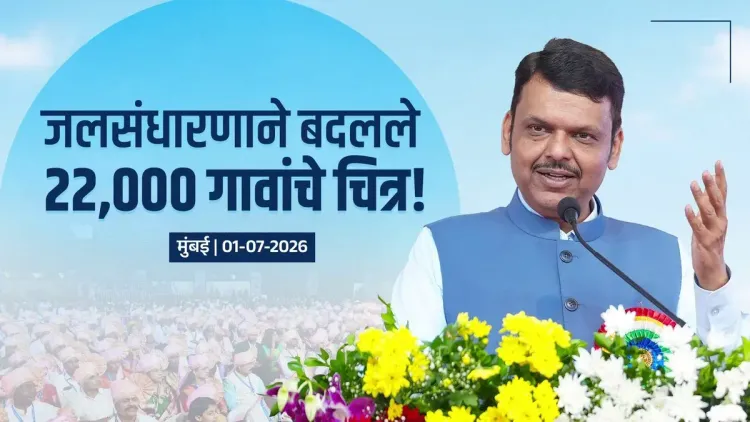
At the Krishi Sanman va Puraskar Vitaran Samarambh 2026 in Mumbai, CM Devendra Fadnavis credited water-conservation programmes with transforming 22,000 once-barren Maharashtra villages into productive agricultural zones, invoking the legacy of Jalyukt Shivar Abhiyan and central irrigation missions.
Key Takeaways
CM Devendra Fadnavis addressed the Krishi Sanman va Puraskar Vitaran Samarambh 2026 in Mumbai on 1 July 2026 .
He credited water-conservation works with reviving agriculture in 22,000 Maharashtra villages where even basic farming was once difficult.
The statement connects to the Jalyukt Shivar Abhiyan , launched in 2015 , which targeted 25,000 water-sufficient villages by 2019.
Maharashtra has also drawn on Pradhan Mantri Krishi Sinchayee Yojana funds since 2015 to expand micro-irrigation and groundwater recharge.
Key beneficiaries are smallholder farmers in drought-prone Vidarbha , Marathwada , and western Maharashtra's rain-shadow belt.
Official village-level impact data and a mid-term review of the 2026 agriculture scheme are expected in coming months.
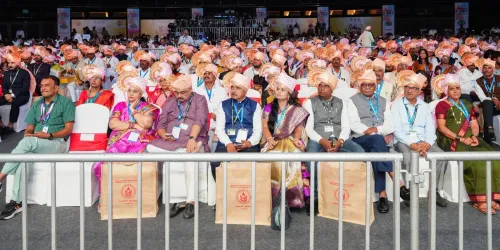
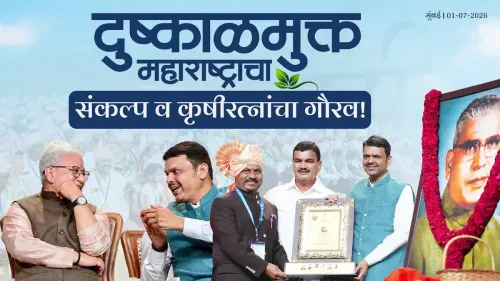
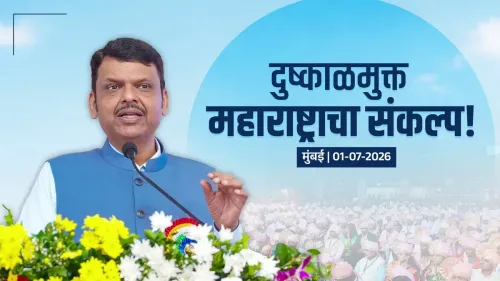
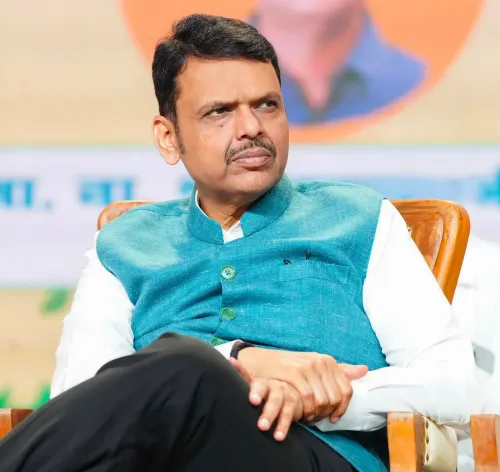
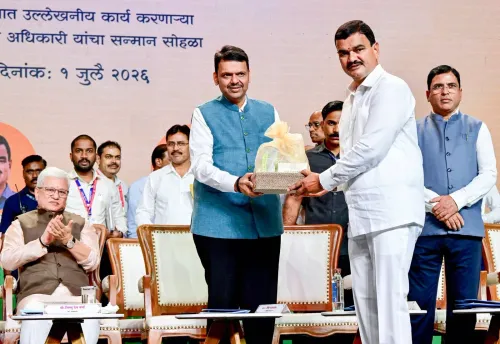
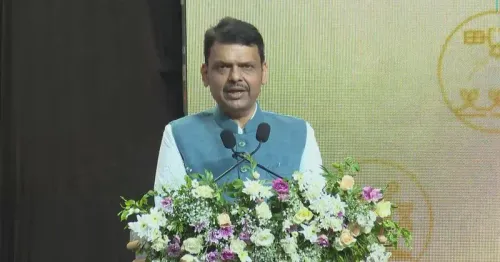
Maharashtra Chief Minister Devendra Fadnavis on Wednesday, 1 July 2026, declared that sustained water-conservation efforts have transformed 22,000 villages across the state — places where even cultivating a single crop was once a struggle — into thriving agricultural landscapes with orchards and green fields. The remarks came at the Krishi Sanman va Puraskar Vitaran Samarambh 2026 (Agriculture Honour and Awards Distribution Ceremony 2026) held in Mumbai.
Speaking at the event, Fadnavis said in Marathi and Hindi: 'जलसंधारणाच्या कामांमुळे राज्यातील 22,000 गावांमध्ये जिथे एकेकाळी पीक घेणेही कठीण होते, तिथे आज बागा फुलल्या आहेत' — 'Because of effective water-conservation works, the 22,000 villages in the state where even farming was once difficult now have flourishing orchards and green gardens.' The bilingual statement, delivered in both Marathi and Hindi, underscored the government's framing of watershed management as a foundational pillar of rural revival.
Context
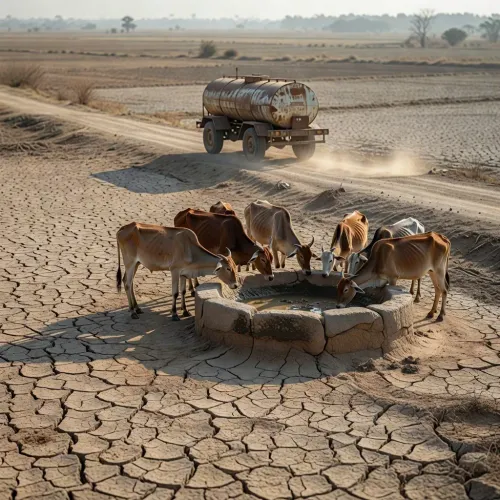
Maharashtra is home to some of India's most drought-prone regions, particularly across Vidarbha, Marathwada, and the rain-shadow belt of western Maharashtra. For decades, erratic monsoons and poor groundwater recharge forced farmers in these belts into cycles of crop failure and debt. The state's successive governments have treated water conservation not merely as an environmental measure but as an economic lifeline for millions of smallholder farmers.
The Krishi Sanman va Puraskar Vitaran Samarambh is an annual platform that recognises outstanding contributions in agriculture and allied sectors. CM Fadnavis used the occasion to highlight what the government described as a structural shift in rural Maharashtra's agricultural capacity, attributing it directly to multi-year investment in water-conservation infrastructure.
Policy Backdrop
The claim of village-level transformation connects directly to a policy lineage stretching back over a decade. The Jalyukt Shivar Abhiyan, launched in 2015 under Fadnavis's first tenure as Chief Minister, aimed to make 25,000 villages water-sufficient by 2019 through desilting of rivers and streams, construction of percolation tanks, and expansion of micro-irrigation networks. The scheme became one of the flagship rural programmes of the BJP-led state government.
Alongside the state-level scheme, Maharashtra has been a significant participant in the Pradhan Mantri Krishi Sinchayee Yojana since 2015, which layered central funding atop state initiatives to expand irrigation coverage and groundwater recharge. Together, these programmes targeted the structural water deficit that had long suppressed agricultural productivity in the state's interior districts.
Stakeholders and Impact
The primary beneficiaries of these interventions are Maharashtra's drought-prone farming communities — smallholders in Vidarbha and Marathwada who historically depended on a single rain-fed kharif crop and were acutely vulnerable to monsoon variability. Access to stored water through percolation tanks and micro-irrigation has enabled many of these farmers to experiment with horticulture, including fruit orchards, which offer higher and more stable returns than traditional dryland crops.
The agriculture awards ceremony itself serves as a recognition mechanism for farmers, agricultural scientists, and rural innovators who have demonstrated best practices. By anchoring his address to the 22,000-village figure, Fadnavis framed individual farmer achievement within a broader government-enabled ecosystem of water security.
What's Next
The government's next steps are expected to include the release of village-level impact data and a mid-term review of the ongoing agriculture awards and support framework announced at the July 2026 ceremony. Independent assessment of groundwater levels and horticultural output across the claimed 22,000 villages will be closely watched by agricultural economists and opposition parties alike. How the state translates ceremony-stage assertions into verifiable, publicly available data will determine the political and policy credibility of the claim in the months ahead.
Point of View
000-village figure at an agriculture awards ceremony is a calculated political move — linking the BJP's long-running Jalyukt Shivar Abhiyan to a visible on-ground outcome ahead of any future electoral cycle in Maharashtra. By framing water conservation as the engine of horticultural transformation, the government is attempting to shift the rural narrative from agrarian distress to agrarian revival, a pivot that carries significant weight in Vidarbha and Marathwada, regions that have historically been electoral battlegrounds. The durability of this claim will depend on whether the government publishes verifiable, district-level data on groundwater recharge and crop diversification. Until then, the figure functions as a political benchmark that opposition parties and independent researchers will scrutinise closely.
NationPress
30 Sept 2026
Frequently Asked Questions
What did CM Devendra Fadnavis say about water conservation in Maharashtra?
At the Krishi Sanman va Puraskar Vitaran Samarambh 2026 in Mumbai on 1 July 2026, CM Fadnavis stated that water-conservation works have transformed 22,000 villages in Maharashtra — where farming was once extremely difficult — into areas with flourishing orchards and green fields.
What is Jalyukt Shivar Abhiyan and how is it connected to this?
Jalyukt Shivar Abhiyan is a Maharashtra government water-conservation scheme launched in 2015 under CM Fadnavis's first tenure, aimed at making 25,000 villages water-sufficient by 2019 through desilting, percolation tanks, and micro-irrigation. It forms the policy backbone behind the 22,000-village transformation claim.
Which regions of Maharashtra benefited most from water conservation?
The primary beneficiaries are drought-prone regions including Vidarbha, Marathwada, and the rain-shadow areas of western Maharashtra, where erratic monsoons had long made single-crop farming the norm and groundwater levels were critically low.
What is the Krishi Sanman va Puraskar Vitaran Samarambh 2026?
It is an agriculture honour and awards distribution ceremony held in Mumbai on 1 July 2026, organised to recognise outstanding contributions by farmers, agricultural scientists, and rural innovators across Maharashtra.
What is Pradhan Mantri Krishi Sinchayee Yojana and does Maharashtra use it?
Pradhan Mantri Krishi Sinchayee Yojana is a central government scheme launched in 2015 to expand irrigation coverage and improve water-use efficiency. Maharashtra has participated in the scheme since 2015, using central funds alongside state programmes like Jalyukt Shivar Abhiyan to boost groundwater recharge and micro-irrigation.