CM Fadnavis, DCM Shinde lay foundation for Anna Bhau Sathe Institute
Synopsis
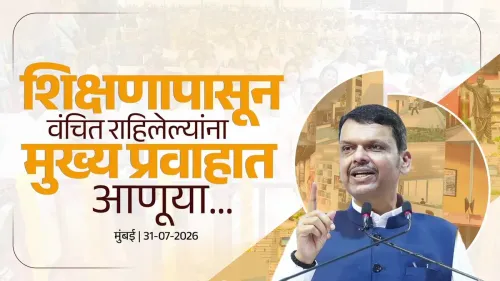
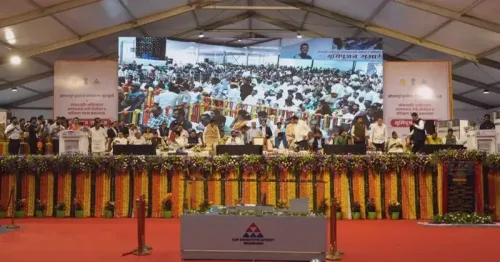
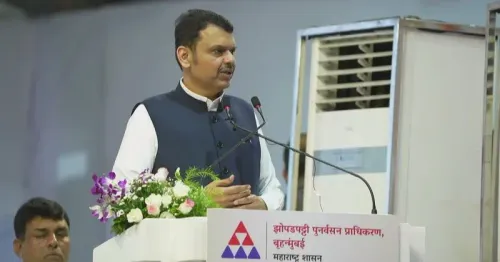
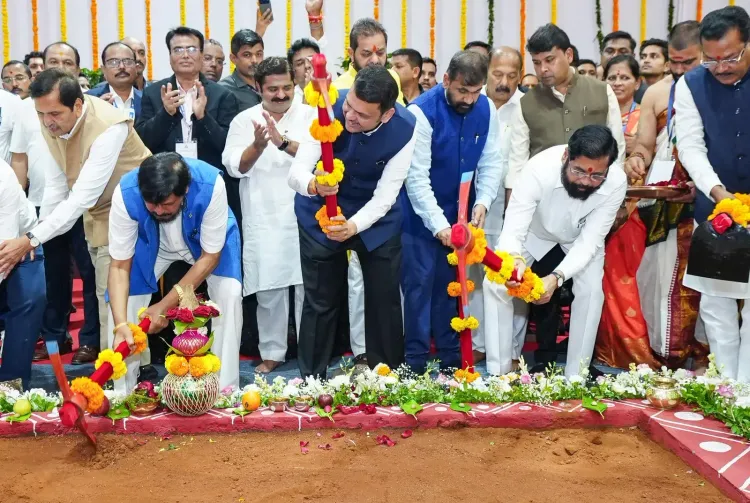
Chief Minister Devendra Fadnavis and Deputy CM Eknath Shinde performed the ground-breaking for the 'Sahityaratna Lokshahir Anna Bhau Sathe Research and Training Institute' in Mumbai on 31 July 2026, a project being built by the Slum Rehabilitation Authority, Brihanmumbai.
Key Takeaways
The bhoomipujan and stone-plaque unveiling for the Sahityaratna Lokshahir Anna Bhau Sathe Research and Training Institute took place on 31 July 2026 in Mumbai .
The institute is being developed by the Slum Rehabilitation Authority (SRA), Brihanmumbai — an urban redevelopment body extending into cultural infrastructure.
CM Devendra Fadnavis and DCM Eknath Shinde jointly performed the ceremony, flanked by a wide coalition of ministers, MPs, MLAs, and Mumbai's Mayor.
Ramdas Athawale , a key Dalit political figure, was prominently present, underlining the institute's significance for Dalit cultural recognition.
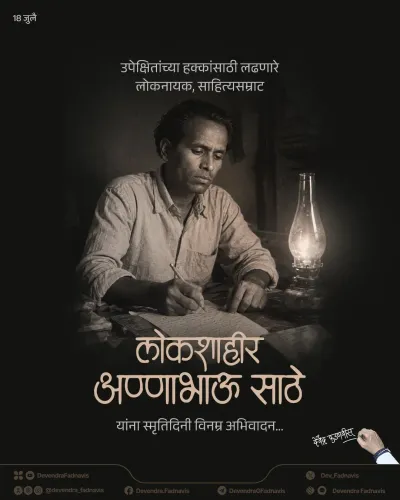
Anna Bhau Sathe (1918–1969) was a celebrated Marathi poet and activist known for writing about working-class and marginalised communities in Mumbai.
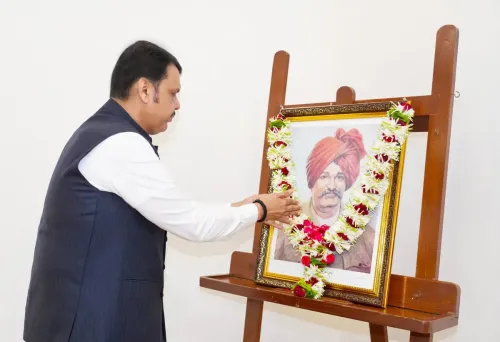
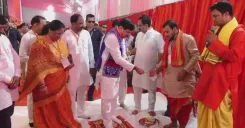
A literary legacy rooted in the streets of Mumbai got a permanent home on 31 July 2026, when Chief Minister Devendra Fadnavis and Deputy Chief Minister Eknath Shinde performed the bhoomipujan (ground-breaking ceremony) and unveiled the stone plaque for the 'Sahityaratna Lokshahir Anna Bhau Sathe Research and Training Institute' — a project being developed by the Slum Rehabilitation Authority (SRA), Brihanmumbai.
Anna Bhau Sathe: the voice SRA is now honouring in stone
Anna Bhau Sathe (1918–1969) was a Marathi writer, poet, and social activist whose body of work gave language and dignity to Mumbai's working-class and Dalit communities. His pen name Lokshahir — roughly, 'people's bard' — captured his role as a poet who performed for, and about, the marginalised. Naming a research and training institute after him, and housing it within an SRA project, carries deliberate symbolism: the same authority that rehabilitates slum dwellers is now building an institution in the name of the man who wrote about them.
Who stood on the dais at the ground-breaking
The ceremony drew a cross-section of Maharashtra's ruling coalition. Union Minister of State Dr. Ramdas Athawale — president of the Republican Party of India (Athawale) and a prominent Dalit political voice — was present alongside Legislative Council Deputy Chairman Sachin Ahir. Cabinet ministers Mangal Prabhat Lodha, Adv. Ashish Shelar, and Sanjay Shirsat attended, as did MP Sanjay Patil, MLA Ameet Satam, and Mumbai Mayor Ritu Tawde.
The breadth of attendance — spanning BJP, Shiv Sena (Shinde faction), and allied Dalit parties — signals the coalition's intent to project unity around a figure who transcends factional lines.
SRA as the builder: urban policy meets cultural ambition
Entrusting the project to the Slum Rehabilitation Authority rather than a conventional cultural or education department is a deliberate policy choice. The SRA, a statutory body under the Maharashtra government, typically executes slum redevelopment projects across Mumbai. Deploying it here extends its mandate into cultural infrastructure — and ties the institute's physical existence to the very communities Anna Bhau Sathe wrote about. Construction milestones and the eventual launch of research and training programmes will be the next markers of whether the ambition translates into lasting institutional presence.
Point of View
A politically resonant link in a city where housing and identity politics are inseparable. The broad dais — spanning BJP, Shiv Sena (Shinde), and allied Dalit parties — projects coalition cohesion ahead of future electoral cycles. Whether the institute delivers substantive research and training programmes, or remains a symbolic milestone, will determine its long-term political dividend.
NationPress
31 Jul 2026
Frequently Asked Questions
What is the Anna Bhau Sathe Research and Training Institute in Mumbai?
It is a new institute named after Marathi poet and activist Anna Bhau Sathe , being developed by the Slum Rehabilitation Authority, Brihanmumbai , to promote research and training related to his literary and social legacy. The ground-breaking was held on 31 July 2026 .
Who is Anna Bhau Sathe and why is he significant?
Anna Bhau Sathe (1918–1969) was a Marathi writer, poet, and social activist known by the title Lokshahir (people's bard). His works gave voice to Mumbai's working-class and Dalit communities and remain foundational texts in Marathi progressive literature.
Who attended the bhoomipujan of the Anna Bhau Sathe Institute?
CM Devendra Fadnavis and DCM Eknath Shinde performed the ceremony. Union MoS Dr. Ramdas Athawale , ministers Mangal Prabhat Lodha , Ashish Shelar , and Sanjay Shirsat , MP Sanjay Patil , MLA Ameet Satam , and Mumbai Mayor Ritu Tawde were also present.
Why is the Slum Rehabilitation Authority building a literary institute?
The Maharashtra government has entrusted the project to the SRA , a statutory urban redevelopment body, extending its mandate into cultural infrastructure. The choice symbolically links Anna Bhau Sathe's writing about marginalised communities to the authority that rehabilitates slum dwellers in Mumbai.
When and where did the Anna Bhau Sathe Institute ground-breaking take place?
The bhoomipujan was held at 12:15 pm on 31 July 2026 in Mumbai .