CM Fadnavis Honours Annabhau Sathe's Family, UPSC Topper in Mumbai
Synopsis
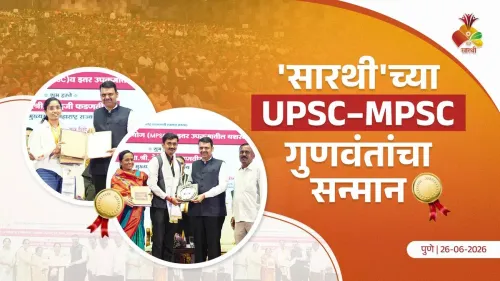
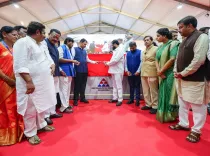
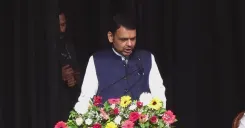
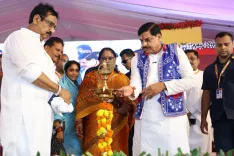
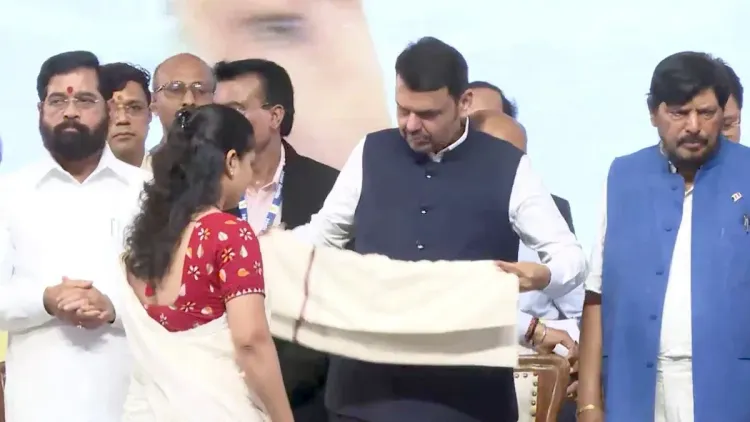
Chief Minister Devendra Fadnavis and Deputy CM Eknath Shinde felicitated folk poet Annabhau Sathe's family, UPSC qualifier Prerna Khavale, and engineers behind the Annabhau Sathe Research and Training Institute at a ceremony in Mumbai on 31 July 2026.
Key Takeaways
CM Devendra Fadnavis and Deputy CM Eknath Shinde held a felicitation ceremony in Mumbai on 31 July 2026 .
Four descendants of Lokshahir Annabhau Sathe — granddaughters Jyoti and Aarti Sathe, daughter-in-law Savitribai Sathe, and grandson Sachin Sathe — were honoured.
UPSC qualifier Prerna Khavale was felicitated alongside the family.
Four officials — Amol Salunkhe, Ajay Sonavane, Vinod Tirhekar and Prakash Birje — were recognised for their roles in building the Sahityaratna Lokshahir Annabhau Sathe Research and Training Institute .
Maharashtra governments have established institutions in Annabhau Sathe's name since the 1970s , reflecting his enduring place in the state's cultural and social reform tradition.
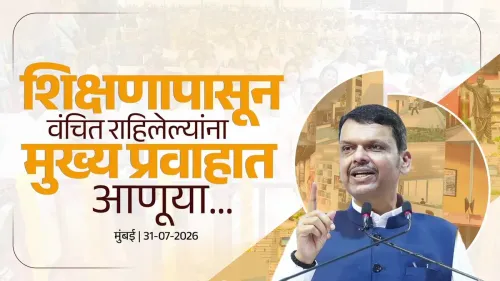
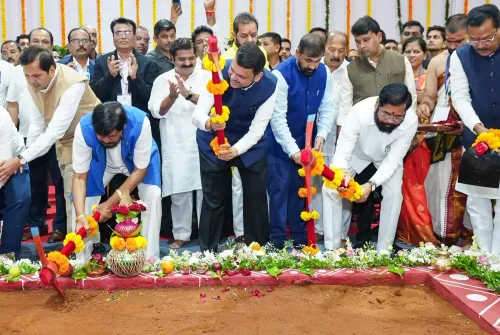
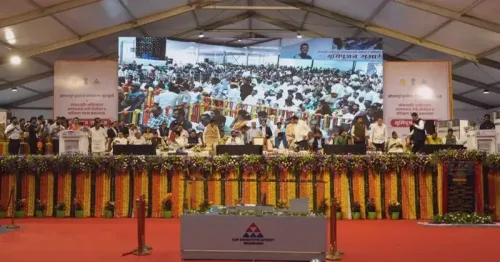
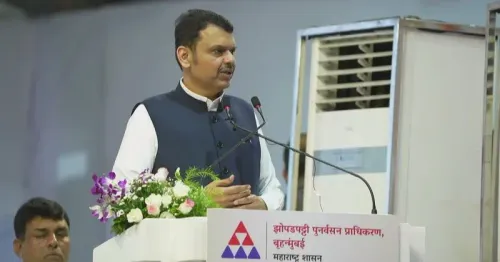
A folk poet's grandchildren stood alongside a UPSC qualifier and the engineers building his memorial — and Maharashtra's top two leaders were there to honour them all. Chief Minister Devendra Fadnavis and Deputy Chief Minister Eknath Shinde held a felicitation ceremony in Mumbai on 31 July 2026, recognising the descendants of legendary Marathi writer and social reformer Sahityaratna Lokshahir Annabhau Sathe, a student who cracked the UPSC examination, and key contributors to the Sahityaratna Lokshahir Annabhau Sathe Research and Training Institute project.
Who Was Honoured and Why
Four members of Annabhau Sathe's family received formal recognition: his granddaughters Jyoti Sathe and Aarti Sathe, daughter-in-law Savitribai Sathe, and grandson Sachin Sathe. Alongside them, Prerna Khavale — a student who successfully cleared the highly competitive UPSC civil services examination — was felicitated, a nod to the educational ambitions the state seeks to connect to Sathe's legacy of upliftment.
The ceremony also recognised four officials instrumental in building the research institute: Amol Salunkhe (Assistant Engineer), Ajay Sonavane (Sub-Engineer), Vinod Tirhekar (OSD), and Prakash Birje. Their inclusion signals that the state views the institute's physical construction as a milestone worth marking publicly.
Annabhau Sathe's Enduring Place in Maharashtra's Cultural Memory
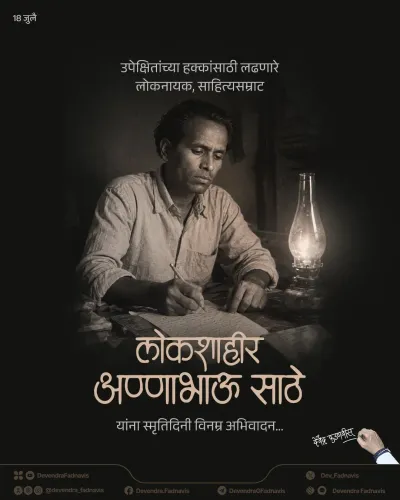
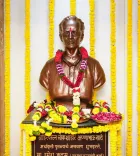
Annabhau Sathe — born Tukaram Bhaurao Sathe — was a 20th-century Marathi writer, powada composer, and Dalit social reformer whose work gave voice to the marginalised in the language of the street. Revered as Lokshahir (people's poet), he remains one of the most cited figures in Maharashtra's progressive literary tradition. State governments have periodically named memorials, awards and institutions after him since the 1970s.
The Research and Training Institute bearing his name represents the latest institutional effort to keep that legacy alive — combining archival research with training programmes aimed at communities Sathe himself championed.
What the Ceremony Signals
By placing a UPSC qualifier on the same stage as a folk poet's family and the engineers raising his memorial, the Fadnavis government drew a deliberate through-line: from literary heritage to educational aspiration to brick-and-mortar infrastructure. It is a framing Maharashtra governments have used before — honouring cultural icons while spotlighting contemporary achievers from similar social backgrounds — but the combination here is notably layered.
The institute's construction timeline and its operational launch date remain the next markers to watch as this project moves from ceremony to reality.
Point of View
Meritocracy-and-development narrative. Maharashtra has a long history of competitive political claims over Annabhau Sathe's legacy across caste and ideological lines, making such public ceremonies as much about present-day coalition signalling as about historical commemoration. The inclusion of Eknath Shinde, whose Shiv Sena faction draws significant support from OBC and working-class communities, reinforces that the event is calibrated for a broad demographic audience. How quickly the Research and Training Institute becomes operational will determine whether this ceremony is remembered as a milestone or a photo opportunity.
NationPress
31 Jul 2026
Frequently Asked Questions
Who is Annabhau Sathe and why is he important in Maharashtra?
Annabhau Sathe was a 20th-century Marathi writer, folk poet and Dalit social reformer known as Lokshahir (people's poet). He is revered for giving voice to marginalised communities through powadas and progressive literature, and remains a central figure in Maharashtra's cultural and social reform tradition.
What happened at the Annabhau Sathe felicitation ceremony on 31 July 2026?
CM Devendra Fadnavis and Deputy CM Eknath Shinde honoured Annabhau Sathe's family members, UPSC qualifier Prerna Khavale , and four officials involved in building the Annabhau Sathe Research and Training Institute at a ceremony in Mumbai .
Who is Prerna Khavale?
Prerna Khavale is a student who cleared the UPSC civil services examination and was felicitated at the ceremony in recognition of her achievement, with the state connecting her success to the legacy of Annabhau Sathe's push for social upliftment.
What is the Sahityaratna Lokshahir Annabhau Sathe Research and Training Institute?
It is a Maharashtra state-supported project dedicated to research and training in the name of Annabhau Sathe. Engineers and officials involved in its construction were recognised at the 31 July 2026 ceremony. Its operational launch date has not yet been officially announced.
Which family members of Annabhau Sathe were honoured?
Four descendants were felicitated: granddaughters Jyoti Sathe and Aarti Sathe , daughter-in-law Savitribai Sathe , and grandson Sachin Sathe .