CM Fadnavis unveils 3D model of Annabhau Sathe institute in Mumbai
Synopsis
Chief Minister Devendra Fadnavis and Deputy CM Eknath Shinde unveiled the 3D model of the proposed Annabhau Sathe Research and Training Institute in Mumbai on 31 July 2026, to be built by the Slum Rehabilitation Authority as a tribute to the celebrated Marathi folk poet and social reformer.
Key Takeaways
CM Devendra Fadnavis and Deputy CM Eknath Shinde unveiled the 3D model of the Annabhau Sathe Research and Training Institute in Mumbai on 31 July 2026 .
The project will be executed by the Slum Rehabilitation Authority (SRA), Brihanmumbai , linking cultural infrastructure to urban redevelopment.
Annabhau Sathe (1920–1969) was a self-taught Marathi folk poet, novelist, and social reformer who championed Dalit and working-class communities.
The institute is envisioned as a centre for research and training , not merely a commemorative space.
Union Minister Ramdas Athawale was present at the unveiling, underscoring the Dalit cultural significance of the project.
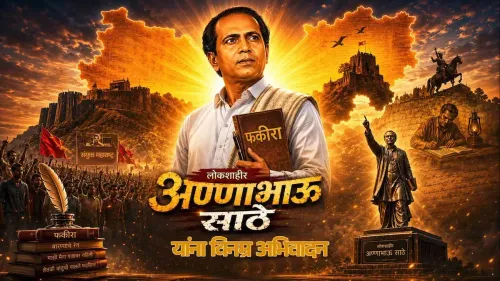
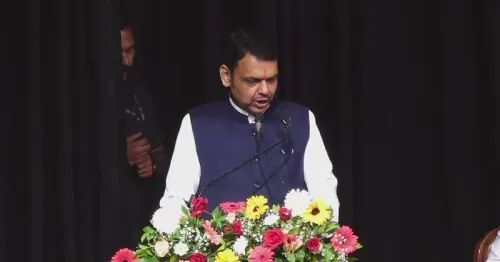
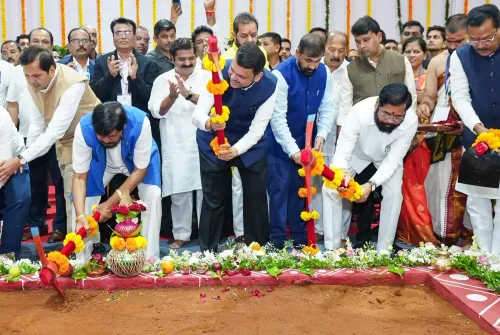
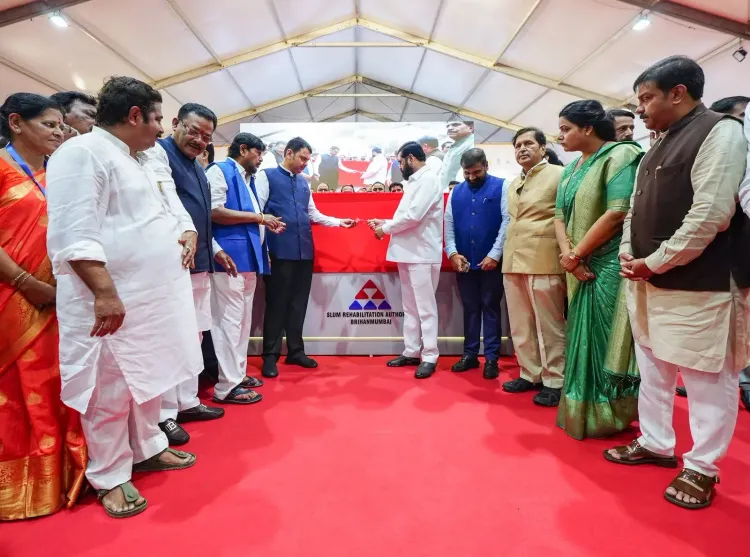
A folk poet who gave voice to Maharashtra's most marginalised communities is getting a permanent home in the city he once walked as an outsider. Chief Minister Devendra Fadnavis and Deputy Chief Minister Eknath Shinde on Friday, 31 July 2026, unveiled the 3D architectural model of the proposed 'Sahityaratna Lokshahir Annabhau Sathe Sanshodhan va Prashikshan Sanstha' — a research and training institute in Mumbai dedicated to the legacy of the legendary Marathi writer and social reformer Annabhau Sathe.
What the 3D model revealed — and who was in the room
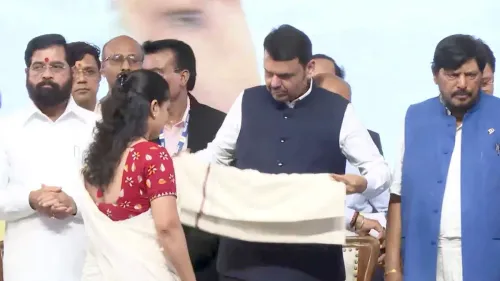
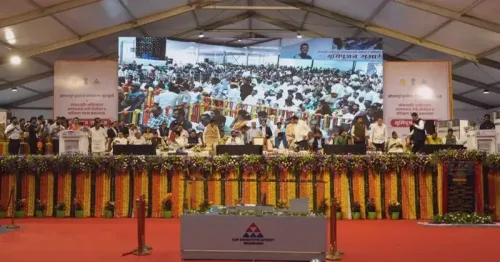
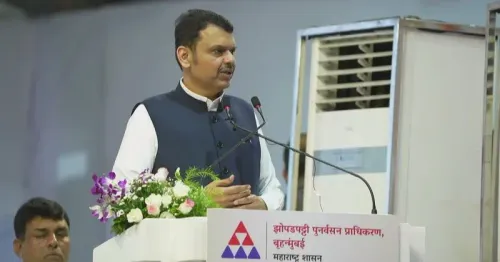
The unveiling took place under the auspices of the Slum Rehabilitation Authority (SRA), Brihanmumbai, which will execute the project. Both leaders inspected the model in detail, signalling the administration's intent to move the proposal from blueprint to ground reality. Union Minister Ramdas Athawale, a longstanding advocate for Dalit cultural recognition, was among the senior figures present — a pointed signal of the political weight behind the initiative.
Annabhau Sathe: the voice this institute will honour
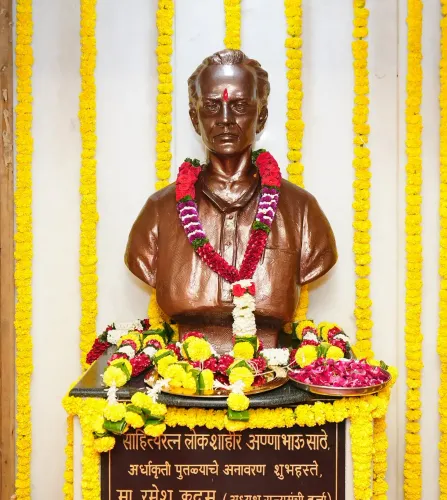
Annabhau Sathe (1920–1969) was a 20th-century Marathi folk poet, novelist, and social reformer whose work documented the lives of Dalit and working-class communities with rare power and intimacy. Denied formal education, he taught himself to read and write and went on to produce over 35 novels, 14 short-story collections, and hundreds of powadas (ballads). His title 'Sahityaratna' — Jewel of Literature — reflects the esteem in which Marathi literary culture holds him.
SRA's role: culture meets urban redevelopment
Routing the project through the SRA is a deliberate architectural choice in more ways than one. Maharashtra governments have periodically used urban development agencies to embed cultural infrastructure inside Mumbai's housing and redevelopment ecosystem — combining civic purpose with literary memory. The SRA's involvement suggests the institute will be integrated into a broader slum rehabilitation footprint in the city, potentially serving communities that Sathe himself wrote about.
The institute is envisioned as a centre for research and training — not merely a memorial, but a working institution. Whether it produces scholars of Marathi folk literature or practitioners trained in Sathe's tradition of social storytelling, the ambition is to keep his work alive and generative, not archived and inert.
When the doors finally open, Maharashtra will have converted a poet's legacy into a living institution — the sharpest tribute a government can pay to a man who believed literature was a tool, not an ornament.
Point of View
A strategy that gives such projects both funding pathways and physical footprints in the city. Honouring Annabhau Sathe, a Dalit icon, with a working research institute rather than a statue or a road renaming is a step up in symbolic ambition. With Ramdas Athawale present, the Maharashtra coalition is clearly signalling that Dalit cultural recognition is a shared priority across its partners. The real test will be whether the institute becomes an active scholarly and training hub or stalls at the model-unveiling stage — a fate that has befallen similar announcements in the past.
NationPress
31 Jul 2026
Frequently Asked Questions
What is the Annabhau Sathe Research and Training Institute in Mumbai?
It is a proposed institute — full name 'Sahityaratna Lokshahir Annabhau Sathe Sanshodhan va Prashikshan Sanstha' — dedicated to the research and legacy of Marathi folk poet Annabhau Sathe, to be built by the Slum Rehabilitation Authority in Mumbai.
Who is Annabhau Sathe and why is he important?
Annabhau Sathe (1920–1969) was a self-taught Marathi writer, folk poet, and social reformer who documented the lives of Dalit and working-class communities. He authored over 35 novels and hundreds of ballads, earning the title 'Sahityaratna' (Jewel of Literature).
Which government body will build the Annabhau Sathe institute?
The Slum Rehabilitation Authority (SRA), Brihanmumbai, will construct the institute as part of Mumbai's urban redevelopment framework.
Who unveiled the 3D model of the Annabhau Sathe institute?
Chief Minister Devendra Fadnavis and Deputy Chief Minister Eknath Shinde unveiled and inspected the 3D architectural model on 31 July 2026 in Mumbai.
What will the Annabhau Sathe institute do?
The institute is planned as a centre for research and training related to Annabhau Sathe's literary and social legacy, going beyond a purely commemorative function.