MP CM Mohan Yadav Gifts Jhabua ₹283 Cr, Disburses ₹300 Cr SHG Loans
Synopsis
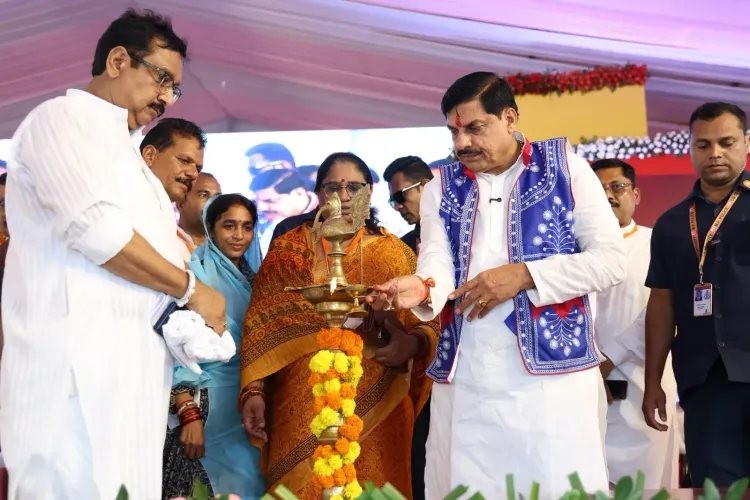
Chief Minister Dr. Mohan Yadav visited Thándla in Jhabua district on 31 July 2026 to disburse ₹300 crore in loans to self-help groups statewide, sanction over ₹283 crore in local development projects, and distribute motorcycles to 13 persons with disabilities.
Key Takeaways
₹300 crore in loans disbursed to self-help groups across Madhya Pradesh at a single event in Thándla, Jhabua.
Jhabua district received development project sanctions worth over ₹283 crore across multiple sectors.
13 persons with disabilities received motorcycles from the Social Justice and Divyangjan Empowerment Department.
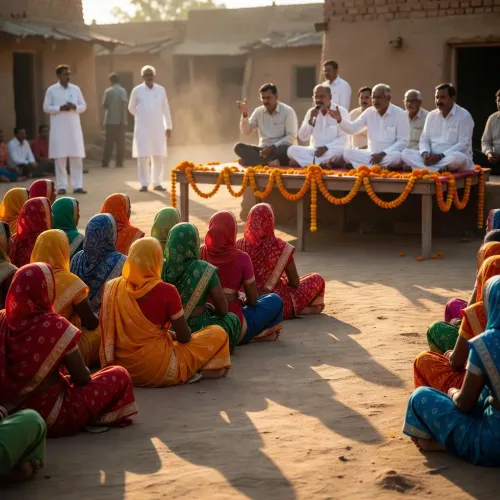
The event was held at the Government College ground, Thándla , combining credit linkage, infrastructure announcements, and direct beneficiary outreach.
SHG credit disbursal aligns with the national DAY-NRLM framework targeting women-led rural livelihoods.
Jhabua is a tribal-majority district in western Madhya Pradesh, historically prioritised for targeted development investment.
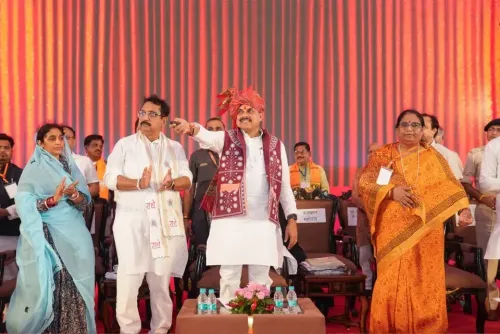
In the heart of tribal Madhya Pradesh, Chief Minister Dr. Mohan Yadav turned a college ground in Thándla, Jhabua district, into a launchpad for livelihoods on 31 July 2026 — sanctioning over ₹283 crore in development projects for the district and disbursing ₹300 crore in loans to self-help groups across the state in a single stroke.
₹300 Crore Flowing to Women-Led Groups Statewide
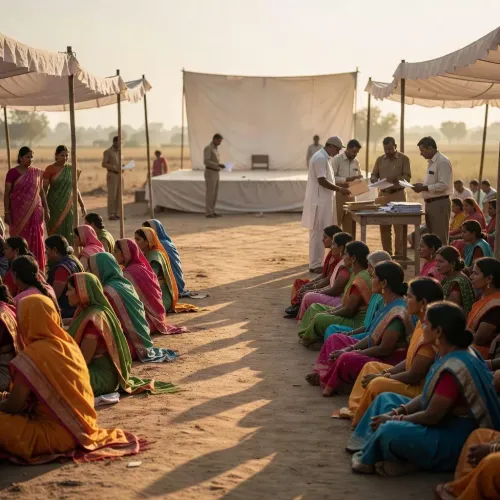
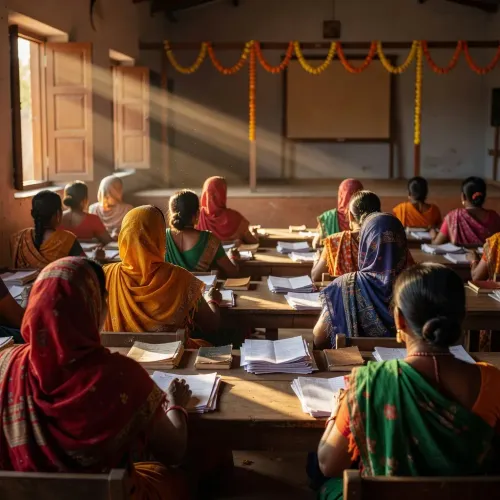
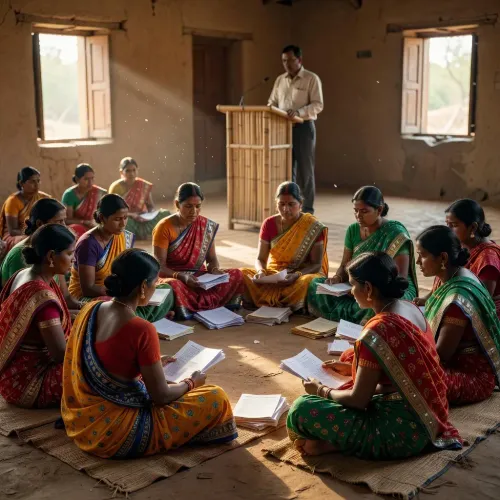
The centrepiece of the event at the Government College ground, Thándla, was a mass credit-linkage drive targeting self-help groups (swayam sahayata samuh) from across Madhya Pradesh. The Chief Minister's Office confirmed that ₹300 crore in loans were distributed to SHG members to accelerate women's empowerment, self-employment, and livelihood promotion — the three pillars the state has repeatedly anchored its rural development narrative to.
Self-help groups in India operate under the framework of the Deendayal Antyodaya Yojana–National Rural Livelihoods Mission (DAY-NRLM), launched nationally in 2011, which channels institutional credit to women-led micro-enterprises at the village level. Madhya Pradesh has consistently expanded credit linkage under this architecture, and today's disbursal represents one of the larger single-event loan distributions the state government has publicised in recent memory.
Jhabua Gets ₹283 Crore in Development Projects
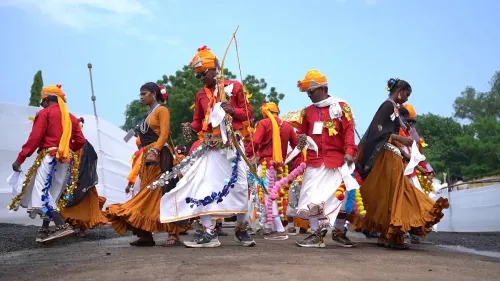
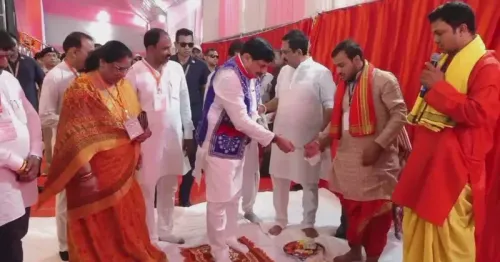
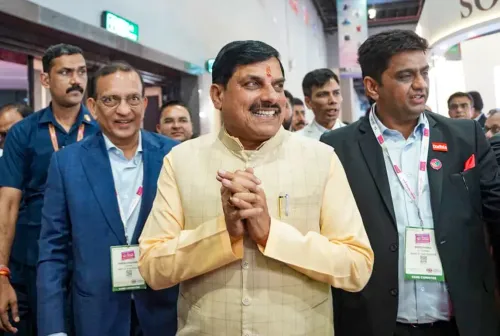
Jhabua, a tribal-majority district in western Madhya Pradesh with a predominantly Scheduled Tribe population, received a package of varied infrastructure and development projects worth more than ₹283 crore. The district has historically lagged on development indices, making targeted capital infusion a recurring demand from local communities and administrators alike. Dr. Yadav also toured a development-oriented exhibition mounted by multiple government departments at the venue.
Motorcycles for 13 Divyangjan Beneficiaries
In a gesture that drew attention beyond the headline numbers, the Chief Minister personally handed over motorcycles to 13 persons with disabilities — beneficiaries of the Social Justice and Divyangjan Empowerment Department. Assistive mobility devices distributed at such events serve a dual purpose: they restore independent movement and, for many recipients in rural areas, enable income-generating activity. The inclusion of divyangjan outreach alongside SHG credit reflects the state's stated integrated approach to social justice.
From Thándla's college ground, the signal Dr. Yadav sent was clear: welfare delivery in Madhya Pradesh is moving toward bundled, high-visibility field events that combine credit, infrastructure, and direct beneficiary outreach in one sitting. Whether the ₹283 crore in projects breaks ground on schedule — and whether the ₹300 crore in SHG loans translates into measurable enterprise formation — will be the real test of the day's promises.
Point of View
Infrastructure sanctions, and direct beneficiary handovers into a single high-visibility occasion in a tribal constituency. Jhabua's Scheduled Tribe demography makes it politically and administratively significant, and large-ticket announcements here signal the state's intent to shore up inclusive development credentials ahead of future electoral cycles. The ₹300 crore SHG loan push also reinforces Madhya Pradesh's alignment with the Centre's DAY-NRLM architecture, keeping the state competitive for federal rural-livelihood funding. The harder question — whether disbursals convert into sustained enterprise and repayment — will define the programme's legacy beyond the optics of the day.
NationPress
15 Sept 2026
Frequently Asked Questions
How much loan did CM Mohan Yadav distribute to self-help groups in Madhya Pradesh?
Chief Minister Dr. Mohan Yadav distributed ₹300 crore in loans to self-help groups across Madhya Pradesh at the Thándla event on 31 July 2026.
What development projects were announced for Jhabua district?
The Chief Minister sanctioned over ₹283 crore in various development projects for Jhabua district during the event at Government College ground, Thándla.
What is DAY-NRLM and how does it relate to this event?
The Deendayal Antyodaya Yojana–National Rural Livelihoods Mission (DAY-NRLM) , launched in 2011, is the national framework under which SHGs receive institutional credit. Madhya Pradesh's ₹300 crore disbursal operates within this architecture.
Who received motorcycles at the Jhabua event?
13 persons with disabilities — beneficiaries of the Social Justice and Divyangjan Empowerment Department — received motorcycles from Chief Minister Dr. Mohan Yadav at the Thándla programme.
Why is Jhabua significant for welfare programmes in Madhya Pradesh?
Jhabua is a tribal-majority district in western Madhya Pradesh with a large Scheduled Tribe population and historically lower development indicators, making it a priority target for state welfare and infrastructure investment.