CM Fadnavis flags off Nashik-Trimbakeshwar Kumbh 2027 with Dhwajastambha puja

Synopsis
Maharashtra CM Devendra Fadnavis attended the ceremonial flagpole worship at Kushavart Tirth in Trimbakeshwar on 31 October 2026, formally kick-starting state preparations for the Nashik-Trimbakeshwar Simhastha Kumbh Mela 2027, due on the 12-year astrological cycle.
Key Takeaways
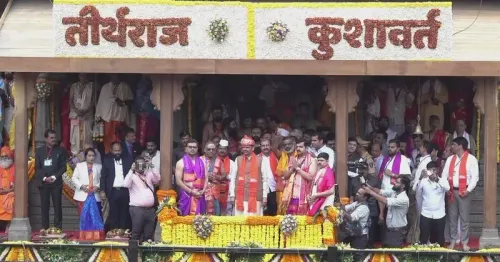
CM Devendra Fadnavis attended the Dhwajastambha and Dharmadhwaj puja at Kushavart Tirth, Trimbakeshwar on 31 October 2026 at 11:04 a.m.
The ceremony formally launches multi-year preparations for the Nashik-Trimbakeshwar Simhastha Kumbh Mela 2027 .
The Simhastha follows a strict 12-year astrological cycle tied to Jupiter entering Leo; the last edition at this site was held in 2015 .
Trimbakeshwar hosts one of India's twelve Jyotirlingas , making Kushavart Tirth the ritual epicentre of the mela.
State infrastructure planning — roads, sanitation, accommodation on the Nashik–Trimbakeshwar corridor — is expected to accelerate following this ceremony.
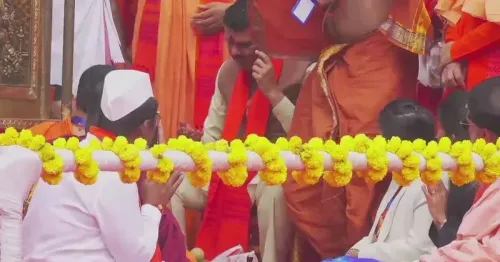
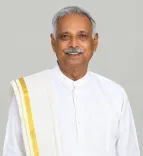
A sacred flag rising above the Kushavart Tirth in Trimbakeshwar on Saturday, 31 October 2026 quietly set the countdown clock for one of India's most consequential pilgrimages. Maharashtra Chief Minister Devendra Fadnavis was present at 11:04 a.m. for the ध्वजस्तंभाचे व धर्मध्वजाचे पूजन — the ceremonial worship of the flagpole and the sacred religious flag — formally inaugurating preparations for the Nashik-Trimbakeshwar Simhastha Kumbh Mela 2027.
What the Dhwajastambha puja signals
In Maharashtra's Kumbh tradition, the hoisting and worship of the dharmadhwaj (religious flag) is not ceremony for ceremony's sake. It is the state's formal declaration that the preparation machine is now running. Maharashtra governments have historically used this ritual to open the multi-year logistics window — triggering administrative committees, budget allocations, and the first round of infrastructure tenders for roads, sanitation, and accommodation in the Nashik region.
The last Simhastha at this site was held in 2015. That edition drew tens of millions of pilgrims across its bathing dates, placing immense pressure on civic infrastructure. With 2027 now less than a year away, the clock for contractors and planners is tight.
Trimbakeshwar and the Kushavart Tirth
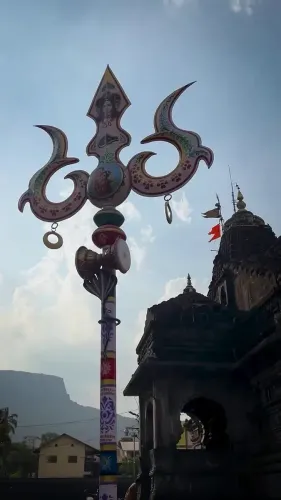
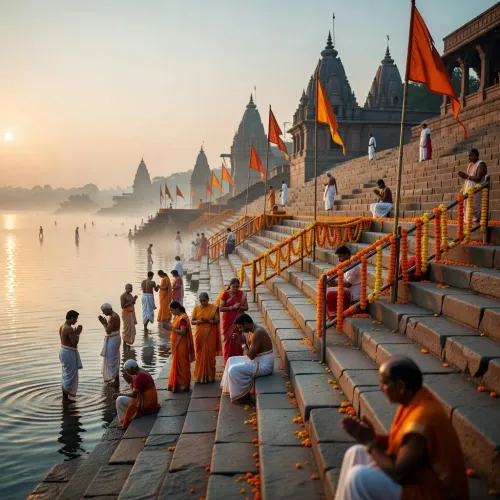
Trimbakeshwar, a temple town roughly 30 kilometres west of Nashik, is home to one of India's twelve Jyotirlingas — making it a site of exceptional religious gravity. The Kushavart Tirth, a sacred kund (tank) within the town, is the ritual heart of the Nashik-Trimbakeshwar Kumbh: it is here that the holiest bathing rites are performed, and here that the flag consecration carries the deepest symbolic weight.
The Simhastha Kumbh Mela at this location is held on a strict 12-year astrological cycle, when Jupiter enters Leo — a conjunction that determines both the timing and the sanctity of the mela. That celestial clock cannot be moved or negotiated, giving the 2027 event a hard deadline the state administration must meet.
What comes next for the Nashik region
Following the flag-worship, the attention shifts to the Maharashtra government's fiscal and infrastructure response. State budget sessions in the coming months are expected to carry specific line items for Kumbh-related upgrades — road widening on the Nashik–Trimbakeshwar corridor, expanded ghats, temporary township planning, and security deployment frameworks. Tourism boards will also begin pilgrimage-promotion cycles aimed at domestic and international devotees.
For Chief Minister Fadnavis, the optics and the logistics are intertwined: delivering a well-managed Simhastha is both an administrative test and a significant political moment for the ruling dispensation in Maharashtra.
With the sacred flag now flying above Kushavart Tirth, the state has made its intent clear — the question is whether the infrastructure can match the devotion by the time millions arrive at the Godavari's banks.
Point of View
And Fadnavis's personal presence underscores how central large-scale religious events are to the BJP's governance identity in Maharashtra. With the 2025 assembly election mandate still fresh, delivering a smoothly managed Simhastha would be a tangible proof-of-governance moment for the Mahayuti coalition. The 12-year cycle also means there is no margin for delay — infrastructure timelines are locked to celestial dates, not political calendars. Investments in the Nashik region flowing from Kumbh preparation also carry longer-term economic dividends, blending pilgrimage politics with regional development strategy.
NationPress
31 Oct 2026
Frequently Asked Questions
What is the Nashik-Trimbakeshwar Simhastha Kumbh Mela?
The Nashik-Trimbakeshwar Simhastha Kumbh Mela is the Kumbh Mela held at Nashik and Trimbakeshwar in Maharashtra on a 12-year astrological cycle, when Jupiter enters Leo. It is one of four Kumbh Mela sites in India and draws tens of millions of pilgrims.
When is the next Simhastha Kumbh Mela in Nashik?
The next Simhastha Kumbh Mela in Nashik-Trimbakeshwar is scheduled for 2027. The previous edition was held in 2015, following the 12-year cycle.
What is Kushavart Tirth in Trimbakeshwar?
Kushavart Tirth is a sacred bathing tank (kund) in Trimbakeshwar associated with the holiest rites of the Nashik-Trimbakeshwar Kumbh Mela. It sits near the Trimbakeshwar Jyotirlinga temple and is the ritual heart of the mela.
What does the Dhwajastambha puja at Kumbh Mela mean?
The Dhwajastambha puja — the ceremonial worship of the flagpole and religious flag — is the traditional ritual that formally marks the start of preparations for the Kumbh Mela. Maharashtra governments use it to officially launch multi-year administrative and infrastructure planning.
Why was CM Devendra Fadnavis at Trimbakeshwar on 31 October 2026?
Chief Minister Devendra Fadnavis attended the Dhwajastambha and Dharmadhwaj puja at Kushavart Tirth, Trimbakeshwar, on 31 October 2026 to formally inaugurate the preparation process for the Nashik-Trimbakeshwar Simhastha Kumbh Mela 2027.