CM Fadnavis hails Baburao Tidke's role in Maharashtra cooperatives
Synopsis
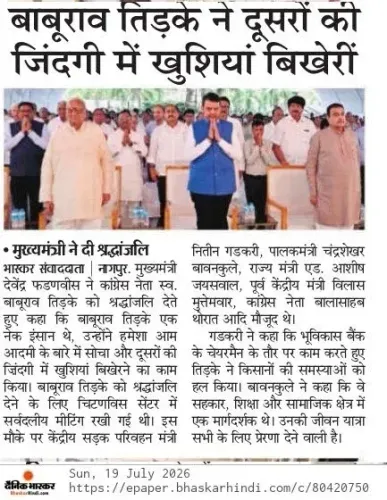
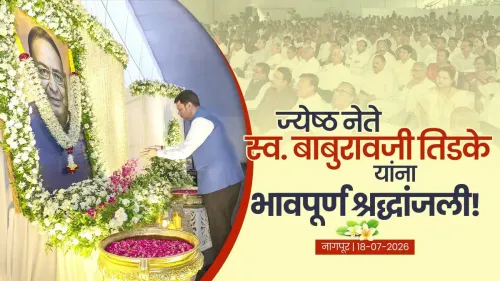
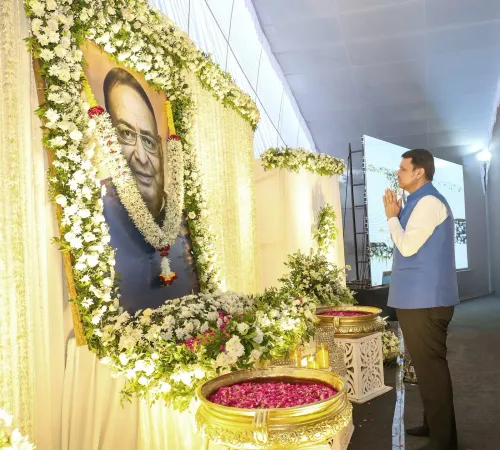
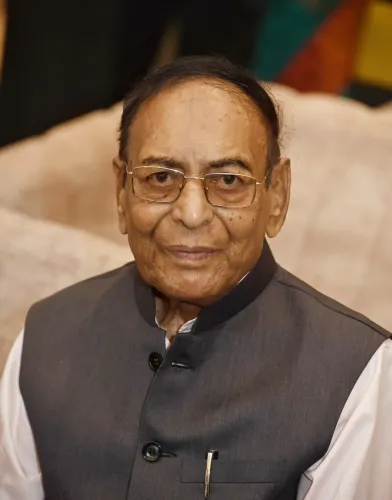
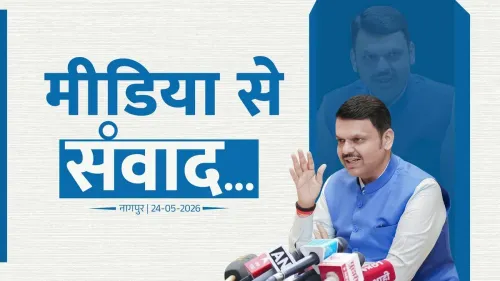
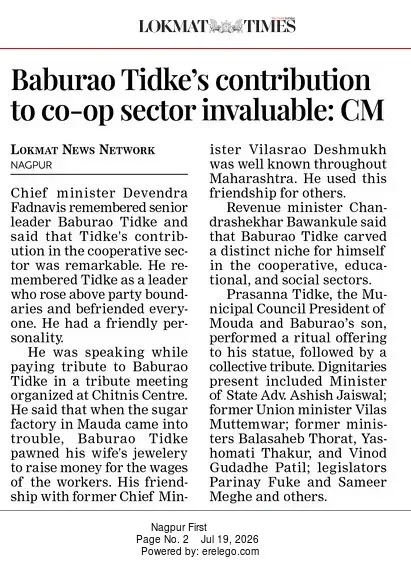
Chief Minister Devendra Fadnavis has paid tribute to Baburao Tidke, calling his contribution to Maharashtra's cooperative sector 'invaluable'. The acknowledgement, shared via the official CMO Maharashtra handle on 19 July 2026, highlights the Fadnavis government's focus on recognising cooperative movement pioneers from the Vidarbha region.
Key Takeaways
Chief Minister Devendra Fadnavis described Baburao Tidke 's contribution to Maharashtra's cooperative sector as 'invaluable'.
The tribute was shared by the official Chief Minister's Office of Maharashtra on 19 July 2026 .
The post is anchored in Nagpur , Fadnavis's home constituency and the administrative heart of the Vidarbha region.
Maharashtra 's cooperative movement dates to state formation in 1960 and spans sugar, dairy, credit, and marketing cooperatives.
Public recognition of cooperative pioneers by successive Maharashtra governments has historically reinforced political linkages with rural cooperative institutions.
Stakeholders including Vidarbha farmers and cooperative society members are the primary audience for this institutional tribute.
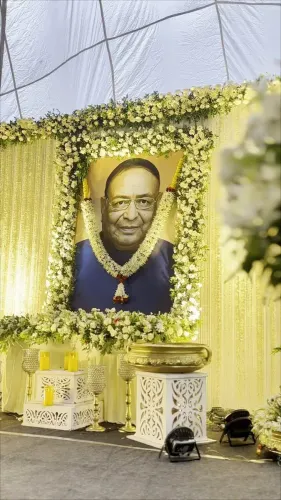
The Chief Minister's Office of Maharashtra on Sunday, 19 July 2026, shared Chief Minister Devendra Fadnavis's tribute to Baburao Tidke, describing his contribution to the state's cooperative sector as 'invaluable'. The post, originating from Nagpur, underscores the significance the Fadnavis administration places on recognising cooperative movement pioneers from the Vidarbha region.
Context
Chief Minister Fadnavis, who represents Nagpur and has long championed Vidarbha's development agenda, described Baburao Tidke as a figure whose work in the cooperative sector left a lasting mark on the region. The tribute was shared publicly through the official CMO Maharashtra handle, signalling institutional recognition rather than a personal gesture alone.
Tidke is acknowledged within Maharashtra's cooperative circles for his sustained work in building grassroots cooperative institutions, particularly in and around the Nagpur belt, where cooperative credit and marketing societies have historically served as economic lifelines for farming communities.
Policy Backdrop
Maharashtra's cooperative movement traces its modern roots to the years following state formation in 1960, when district central cooperative banks, sugar cooperatives, and dairy federations were established across the state. These institutions grew into pillars of rural credit, agricultural marketing, and employment across Vidarbha, Marathwada, and western Maharashtra.
Successive state governments have used public recognition of cooperative pioneers to reinforce political and institutional linkages with rural cooperative bodies that continue to shape agricultural credit and commodity marketing. For Vidarbha — a region historically under-represented in cooperative sector gains compared to western Maharashtra — such acknowledgements carry particular resonance among farmers and cooperative society members.
Stakeholders and Impact
The tribute directly speaks to cooperative societies and their member-farmers across Vidarbha, a region where cotton and orange farming communities depend heavily on cooperative credit and marketing infrastructure. Recognising figures like Baburao Tidke reinforces the symbolic importance the state government attaches to cooperative institution-building at the grassroots level.
For the broader cooperative sector — encompassing sugar factories, dairy cooperatives, and urban credit societies across Maharashtra — public acknowledgements of this kind signal continued political support for the cooperative model as a vehicle for rural economic empowerment.
What's Next
The Fadnavis administration's focus on Nagpur and Vidarbha-centric cooperative recognition may foreshadow updated cooperative policy measures or commemorative programmes timed to administrative visits in the region. With cooperative sector reforms periodically on the state's legislative agenda, tributes of this nature often precede or accompany substantive policy announcements aimed at strengthening rural cooperative networks.
Stakeholders in Maharashtra's cooperative ecosystem will watch for any follow-through in the form of scheme expansions, credit facility enhancements, or institutional support for cooperative bodies that Tidke's legacy helped build.
Point of View
Elevating Vidarbha-rooted cooperative figures serves a dual purpose: it acknowledges a region that has long felt secondary to western Maharashtra's dominant cooperative lobby, and it keeps rural cooperative bodies politically aligned with the ruling dispensation. The timing and channel — an official CMO post rather than a personal handle — suggest this is deliberate statecraft, not mere ceremony. Analysts will watch whether this tribute is followed by concrete cooperative sector policy moves targeted at Vidarbha.
NationPress
20 Jul 2026
Frequently Asked Questions
Who is Baburao Tidke and why is he significant to Maharashtra?
Baburao Tidke is recognised for his work in building cooperative institutions in Maharashtra, particularly in the Nagpur and Vidarbha region, where cooperative credit and marketing societies are critical to farming communities.
What did CM Devendra Fadnavis say about Baburao Tidke?
CM Devendra Fadnavis called Baburao Tidke's contribution to Maharashtra's cooperative sector 'invaluable', a tribute shared via the official Chief Minister's Office of Maharashtra on 19 July 2026.
What is Maharashtra's cooperative sector?
Maharashtra's cooperative sector is a vast network of sugar factories, dairy federations, credit societies, and marketing cooperatives established after state formation in 1960, forming a backbone of rural agricultural credit and trade across the state.
Why does Vidarbha matter in Maharashtra's cooperative movement?
Vidarbha, a region of cotton and orange farmers, has historically been under-represented in cooperative sector gains compared to western Maharashtra, making recognition of Vidarbha-rooted cooperative leaders politically and economically significant.
What could follow CM Fadnavis's tribute to Baburao Tidke?
Such tributes in Maharashtra have often preceded cooperative policy announcements or scheme expansions; stakeholders are watching for possible updates to cooperative credit facilities or commemorative programmes focused on the Vidarbha region.