CM Fadnavis Holds Public Outreach in Nagpur, Accepts Citizen Petitions
Synopsis
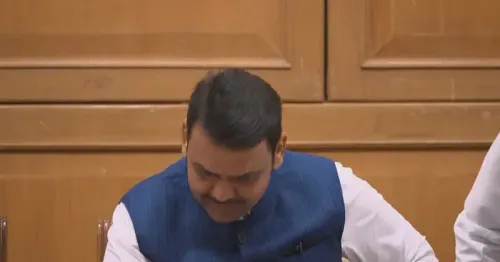
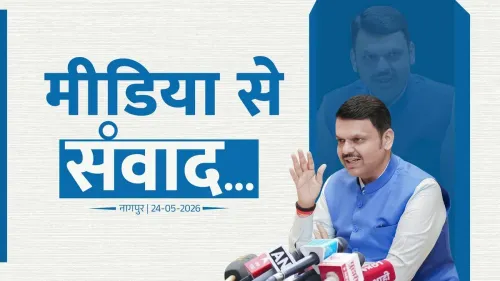
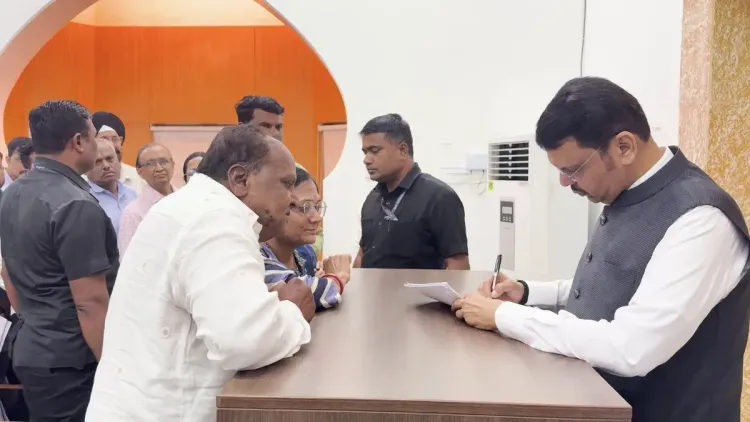
Chief Minister Devendra Fadnavis met citizens in Nagpur on 27 June 2026, accepting written representations during a public outreach session. The visit continues Maharashtra's practice of rotating direct governance engagement to the state's winter capital in the Vidarbha region.
Key Takeaways
Chief Minister Devendra Fadnavis held a public outreach session in Nagpur on 27 June 2026 .
Citizens who travelled to meet the CM presented written representations, which were accepted in person.
Nagpur is Maharashtra's winter capital and the administrative centre of the Vidarbha region.
The session continues a longstanding Maharashtra governance tradition of direct grievance redressal bypassing bureaucratic layers.
Petitions accepted during such visits are typically referred to relevant state departments for action.
The format mirrors the Aaple Sarkar grievance-redressal model promoted during Fadnavis's earlier 2014-2019 term.
The Chief Minister's Office of Maharashtra announced on 27 June 2026 that Chief Minister Devendra Fadnavis met with residents who travelled to Nagpur to present their grievances, accepting their written representations in person.
The official post stated in Marathi and Hindi: 'मुख्यमंत्री देवेंद्र फडणवीस यांनी आज नागपूर येथे भेटायला आलेल्या नागरिकांशी संवाद साधत त्यांची निवेदने स्वीकारली' — ('Chief Minister Devendra Fadnavis today engaged with citizens who came to meet him in Nagpur and accepted their representations.')
Context
Nagpur serves as the winter capital of Maharashtra and is the administrative and political hub of the Vidarbha region, which encompasses the state's eastern districts. Public outreach sessions held there are a deliberate effort to ensure that citizens from regions geographically distant from Mumbai — the primary seat of government — have direct access to the Chief Minister. Such visits reflect a longstanding practice of rotating high-level administrative engagement across Maharashtra's diverse regions.Policy Backdrop
Open-house meetings and grievance redressal sessions have been a consistent feature of governance in Maharashtra across administrations. During Fadnavis's earlier term from 2014 to 2019, the state promoted the Aaple Sarkar digital portal alongside in-person grievance camps at the district level, creating parallel channels for citizen petitions. The current session in Nagpur continues this tradition of direct engagement, allowing residents to bypass bureaucratic layers and place representations before the highest elected office in the state.Stakeholders and Impact
The primary beneficiaries of such outreach are residents of Nagpur and the wider Vidarbha region, who often raise issues spanning agriculture, infrastructure, land disputes, and local development. For citizens who lack access to formal administrative channels, a direct audience with the Chief Minister carries significant practical weight. The format also signals political intent: maintaining visible presence in Nagpur reinforces the government's commitment to equitable regional representation within Maharashtra.What's Next
Petitions accepted during such sessions are typically forwarded to the relevant state departments for follow-up action. Observers will watch for any subsequent government orders, scheme announcements, or district-level interventions that may emerge from the representations submitted on 27 June 2026. Repeated visits of this nature to Nagpur are expected to continue as part of the Chief Minister's broader public engagement calendar.Point of View
A region that has historically felt underserved relative to western Maharashtra. By physically accepting petitions rather than routing them through digital portals alone, the Chief Minister reinforces an image of accessibility that has electoral value in a large, regionally diverse state. The practice also reflects a broader pattern among Indian chief ministers of using open-house formats to manage public sentiment between elections. Whether the representations translate into tangible policy follow-through will determine the lasting impact of such outreach.
NationPress
27 Jun 2026
Frequently Asked Questions
Why did CM Devendra Fadnavis visit Nagpur for public meetings?
Nagpur is Maharashtra's winter capital and the main administrative centre of the Vidarbha region. CM Fadnavis held a public outreach session there on 27 June 2026 to meet citizens and accept their written representations, ensuring regional access to the Chief Minister's office.
What is the purpose of a Chief Minister accepting citizen petitions?
When a Chief Minister accepts petitions directly, citizens can bypass multiple bureaucratic layers and place their grievances before the highest elected authority in the state. The representations are then forwarded to relevant departments for action.
What is the Aaple Sarkar portal in Maharashtra?
'Aaple Sarkar' is a digital grievance redressal portal introduced during Devendra Fadnavis's earlier Chief Ministership (2014-2019) to allow Maharashtra residents to submit petitions and track their status online, complementing in-person grievance camps.
Is Nagpur the capital of Maharashtra?
Nagpur is the winter capital of Maharashtra, hosting the winter session of the state legislature each year. Mumbai remains the primary administrative capital. Nagpur is also the largest city in the Vidarbha region.
What kinds of issues do citizens raise with the Chief Minister during such sessions?
Citizens typically raise issues related to agriculture, land disputes, local infrastructure, welfare scheme access, and administrative delays. Direct sessions with the Chief Minister are often used for matters that have not been resolved through lower administrative channels.