CM Fadnavis Honours Warkari Couple at Pandharpur Mahapuja
Synopsis
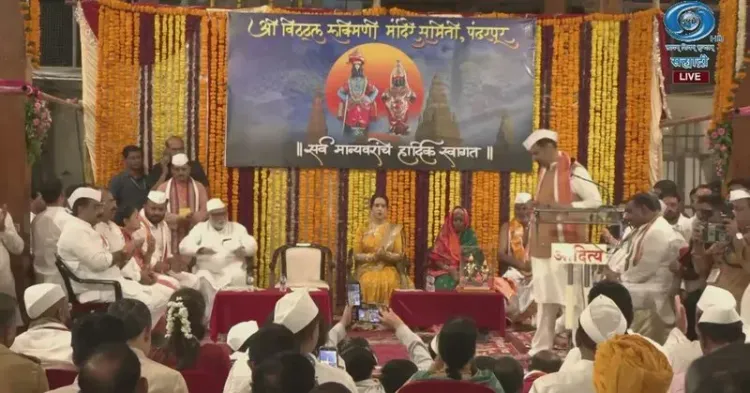
Chief Minister Devendra Fadnavis personally honoured a Warkari couple chosen as the recipients of Maharashtra's state grand worship at Pandharpur on Ashadhi Ekadashi, 25 July 2026, continuing a decades-long tradition of government ceremonial participation in the annual Wari pilgrimage.
Key Takeaways
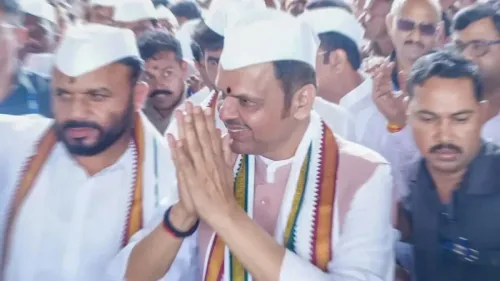
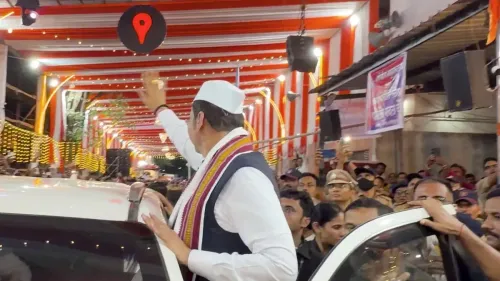
Chief Minister Devendra Fadnavis presided over the felicitation of a Warkari couple at Pandharpur on 25 July 2026 .
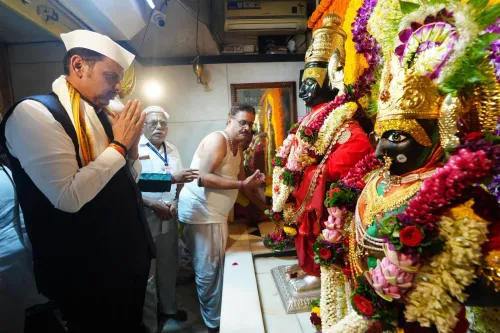
The couple were the designated mānkari — honoured recipients — of the Shaskiya Mahapuja , the state's official grand worship at the Vitthal-Rukmini temple.
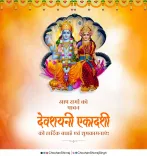
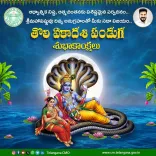
The event coincided with Ashadhi Ekadashi , the culmination of the annual Warkari pilgrimage that draws lakhs of devotees to Pandharpur.
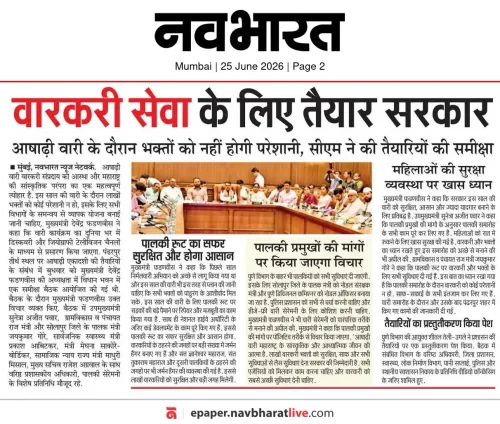
Maharashtra governments have maintained ceremonial and logistical participation in the Ashadhi Wari for several decades.
The Chief Minister's direct presence signals the state's continued institutional recognition of the Warkari tradition as central to Maharashtra's cultural identity.
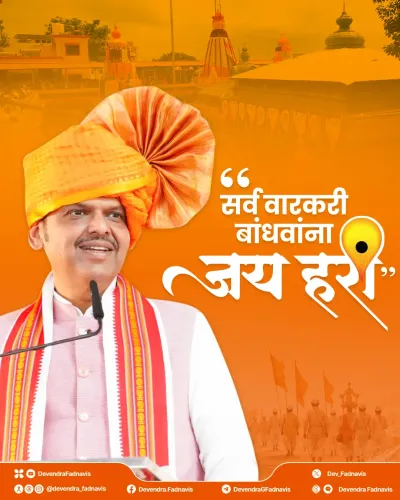
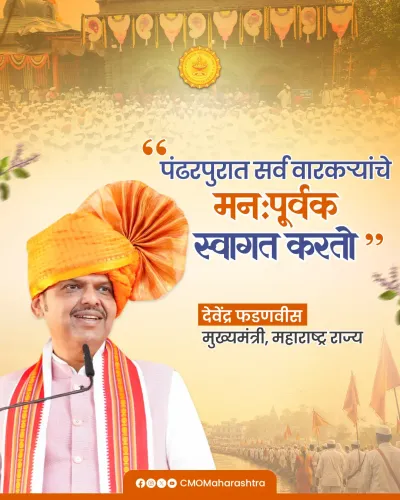
The Chief Minister's Office of Maharashtra announced on Saturday, 25 July 2026 that Chief Minister Devendra Fadnavis honoured a Warkari couple designated as the recipients of the Shaskiya Mahapuja (state grand worship) at Pandharpur on the occasion of Ashadhi Ekadashi.
Context
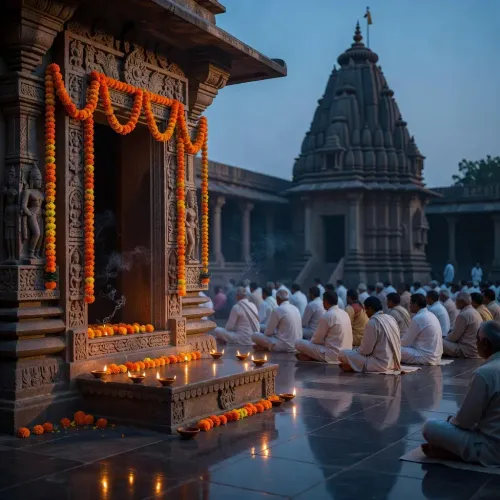
The Shaskiya Mahapuja is a ceremonial state worship conducted at the Vitthal-Rukmini temple in Pandharpur, the sacred endpoint of the annual Warkari pilgrimage. Each year, a Warkari couple is selected as the honoured recipients — mānkari — of this ritual, a distinction that carries deep significance within the devotional community. Chief Minister Devendra Fadnavis personally presided over the felicitation ceremony this year.
Pandharpur, located in Solapur district, Maharashtra, draws lakhs of pilgrims annually for the Ashadhi Wari, a centuries-old tradition in which Warkaris walk hundreds of kilometres carrying the palkhis (palanquins) of saints such as Sant Dnyaneshwar and Sant Tukaram.
Policy Backdrop
Maharashtra governments have maintained a practice of state facilitation and ceremonial participation in the Ashadhi Wari arrangements for several decades. The Shaskiya Mahapuja is one of the most visible expressions of this institutional engagement, signalling the state's recognition of the Warkari tradition as a living pillar of Maharashtra's cultural identity.
Successive administrations have extended logistical support, security deployment, and ceremonial recognition to the pilgrimage, reflecting a broad political consensus on the importance of the Wari to rural devotional life across the state.
Stakeholders and Impact
The Warkari community — numbering in the lakhs across Maharashtra and parts of Karnataka — regards the state's participation in the Mahapuja as an affirmation of their tradition's standing. The honoured couple, selected from among devout pilgrims, represents the grassroots devotional culture that sustains the annual Wari.
Pandharpur temple authorities coordinate closely with the state government during Ashadhi Ekadashi, managing arrangements for one of the largest religious gatherings in western India. The Chief Minister's direct participation in the felicitation underscores the political and cultural weight the state attaches to the occasion.
What's Next
Attention will now turn to state government announcements on pilgrim facilities, crowd management measures, and any infrastructure upgrades planned ahead of future editions of Ashadhi Ekadashi. The government's engagement with the Warkari tradition is expected to continue as a consistent feature of Maharashtra's cultural governance calendar.
Point of View
Visible participation in the Wari carries both cultural and electoral resonance, given the community's deep roots in rural Maharashtra. The gesture reinforces the state's positioning as a custodian of regional religious traditions rather than a passive bystander. It also fits a broader national pattern of ruling governments seeking to align governance narratives with living folk-devotional movements.
NationPress
25 Jul 2026
Frequently Asked Questions
What is Ashadhi Ekadashi and why is it significant?
Ashadhi Ekadashi is an annual Hindu observance on the eleventh day of the bright fortnight of the month of Ashadha. It marks the culmination of the Wari pilgrimage, during which lakhs of Warkari devotees walk to Pandharpur carrying the palanquins of saints such as Dnyaneshwar and Tukaram to seek the blessings of Lord Vitthal.
What is the Shaskiya Mahapuja at Pandharpur?
The Shaskiya Mahapuja is a formal state-sponsored worship ceremony conducted at the Vitthal-Rukmini temple in Pandharpur on Ashadhi Ekadashi. The Maharashtra government designates a Warkari couple as the honoured recipients, or mānkari, of this ritual each year.
Who is Devendra Fadnavis?
Devendra Fadnavis is a senior BJP leader who has served multiple terms as Chief Minister of Maharashtra. He is currently serving as Chief Minister and personally participated in the Ashadhi Ekadashi Mahapuja ceremony at Pandharpur on 25 July 2026.
Where is Pandharpur located?
Pandharpur is a town in Solapur district, Maharashtra. It is home to the Vitthal-Rukmini temple and serves as the sacred endpoint of the annual Warkari pilgrimage.
Does the Maharashtra government regularly participate in the Ashadhi Wari?
Yes. Successive Maharashtra governments have for several decades provided logistical support, security arrangements, and ceremonial participation in the Ashadhi Wari, reflecting a broad political consensus on the cultural and social importance of the Warkari pilgrimage tradition.