CM Fadnavis Introduces New MLCs at Maharashtra Council
Synopsis
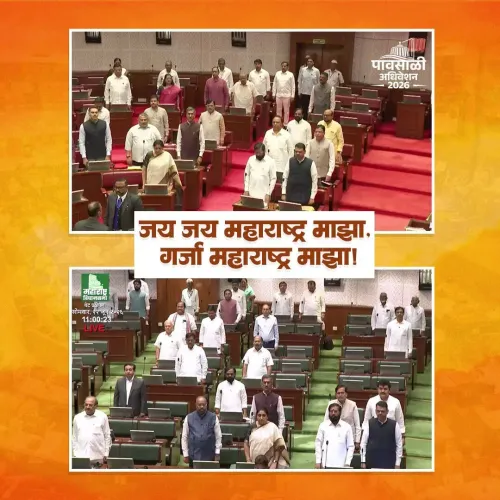
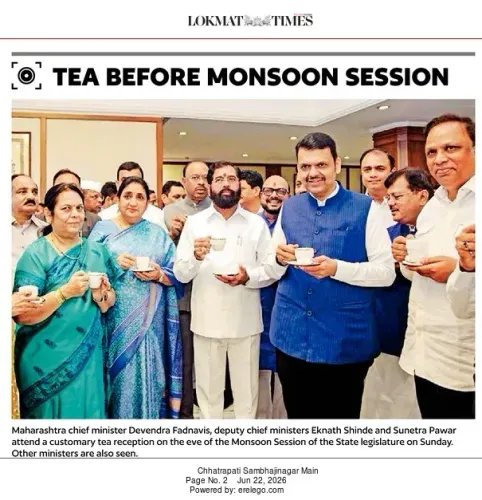
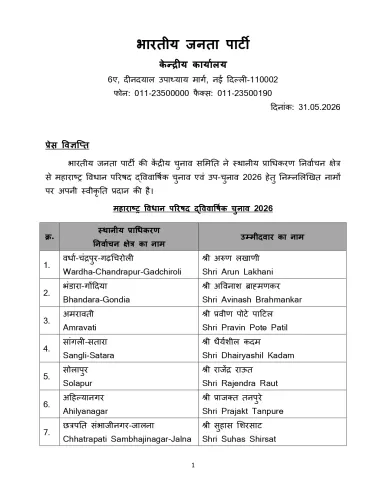
Maharashtra Chief Minister Devendra Fadnavis on 22 June 2026 oversaw the formal introduction of newly elected Legislative Council members in Mumbai, opening the procedural business of the 2026 Monsoon Session of the state legislature.
Key Takeaways
CM Devendra Fadnavis presided over the introduction of newly elected members to the Maharashtra Legislative Council on 22 June 2026 .
The event marks the formal opening of the 2026 Monsoon Session of the Maharashtra legislature in Mumbai .
Introduction of new members is a constitutionally required procedural step before they can participate in debates or voting.
Maharashtra Legislative Council members are elected indirectly and serve six-year terms , with seats rotating on a biennial cycle.
The remainder of the Monsoon Session is expected to take up government bills and policy discussions.
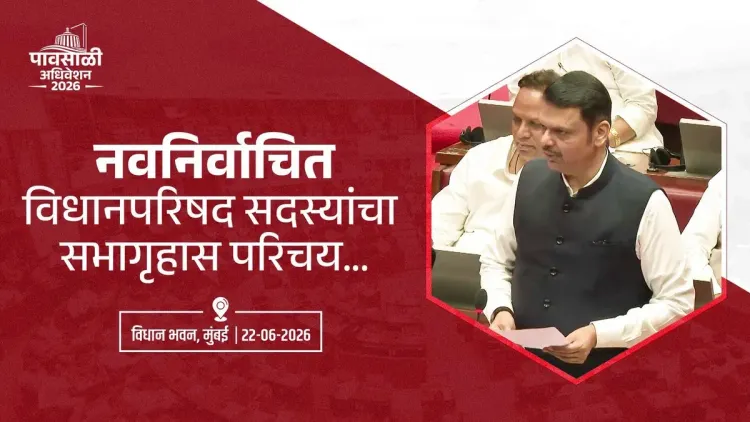
Maharashtra Chief Minister Devendra Fadnavis on Monday, 22 June 2026, presided over the formal introduction of newly elected members to the Maharashtra Legislative Council in Mumbai, marking the opening procedural step of the 2026 Monsoon Session.
Context
Fadnavis shared the occasion on X in both English and Marathi — 'नवनिर्वाचित विधानपरिषद सदस्यांचा सभागृहासमोर परिचय' ('Newly elected members of the Legislative Council introduced to the house') — signalling the formal commencement of the upper house proceedings for the session.
The introduction of freshly elected members is a constitutionally mandated procedural step that takes place after biennial or bye-elections to the Legislative Council. It ensures new members are formally recognised before they may participate in debates or vote on legislation.
Policy Backdrop
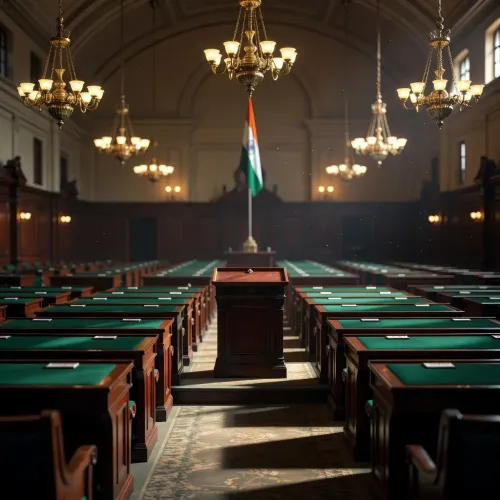
The Maharashtra Legislature is bicameral, comprising the Vidhan Sabha (lower house) and the Vidhan Parishad, or Legislative Council (upper house). Members of the Council are elected indirectly and serve fixed six-year terms, with a portion of seats coming up for election every two years to maintain continuity.
Indian state legislatures operate on a fixed calendar of sessions — budget, monsoon, and winter — with the Monsoon Session typically running from June through September. The session is a key window for the government to table and pass legislation, discuss policy, and respond to questions from the opposition.
Stakeholders and Impact
The newly inducted Legislative Council members will now be eligible to participate fully in house proceedings, including committee assignments and debates on government bills tabled during the session. Their entry adds to the legislative strength of the upper house and can influence the passage of bills that require approval from both chambers.
For the ruling dispensation led by Fadnavis, a strengthened presence in the Vidhan Parishad can ease the path for legislative priorities. The opposition benches, in turn, will look to use the session's question hours and debates to hold the government accountable on issues ranging from agrarian distress to urban infrastructure.
What's Next
With the introductory formalities concluded, the 2026 Monsoon Session is expected to move to substantive business — including the tabling of government bills and policy discussions — over the coming weeks. The session's legislative agenda will be closely watched by political observers and civil society groups across Maharashtra.
The proceedings of the Vidhan Parishad through the monsoon calendar will test the government's ability to build consensus and advance its policy programme in the upper house.
Point of View
But its timing at the start of the Monsoon Session carries political weight — a strengthened upper house bloc can smooth or complicate the government's legislative calendar. For Fadnavis, who has navigated complex coalition arithmetic since returning as Chief Minister, consolidating numbers in the Vidhan Parishad is as strategic as it is procedural. The 2026 Monsoon Session will serve as an early stress test for the government's ability to push its agenda through both chambers. Opposition parties will use the session's floor time to signal their own readiness ahead of the next electoral cycle.
NationPress
22 Jun 2026
Frequently Asked Questions
What happened at the Maharashtra Legislative Council on 22 June 2026?
Newly elected members of the Maharashtra Legislative Council were formally introduced to the house on 22 June 2026 in Mumbai, marking the start of the 2026 Monsoon Session's procedural business.
What is the Maharashtra Legislative Council?
The Maharashtra Legislative Council, or Vidhan Parishad, is the upper house of Maharashtra's bicameral legislature. Its members are elected indirectly and serve six-year terms, with a portion of seats up for election every two years.
Why are newly elected MLCs introduced to the house?
Formal introduction is a constitutionally mandated procedural step that officially recognises new members, allowing them to participate in debates, committee work, and voting on legislation.
When does the Maharashtra Monsoon Session usually take place?
The Monsoon Session of the Maharashtra legislature typically runs from June through September each year, and is used to table government bills, conduct question hours, and discuss policy matters.
What is Devendra Fadnavis's role in the Maharashtra legislature?
Devendra Fadnavis is the Chief Minister of Maharashtra and a senior BJP leader who has held the post multiple times since 2014. As Chief Minister, he leads the government's legislative agenda in both houses of the state legislature.