CM Fadnavis Holds Press Conference Ahead of Monsoon Session 2026
Synopsis
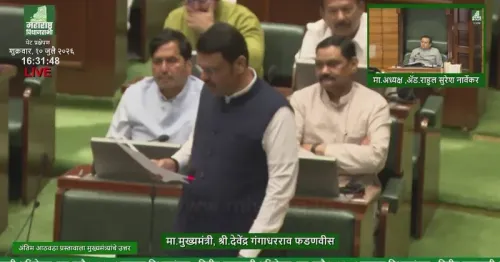
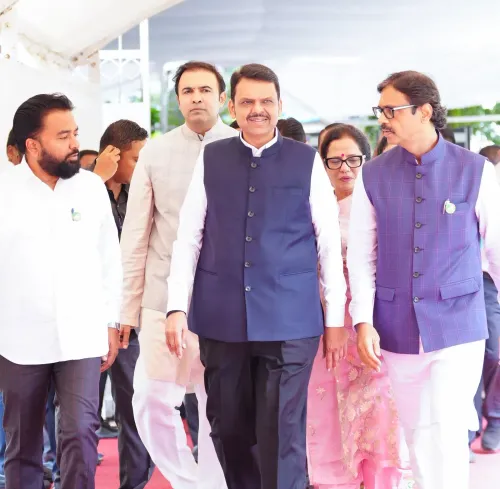
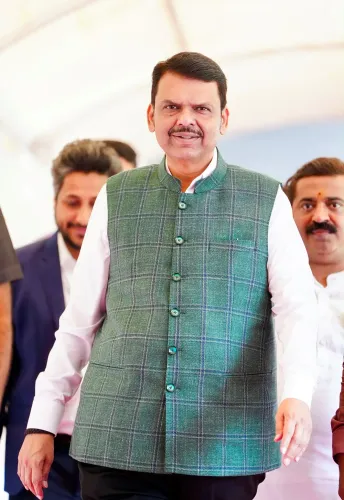
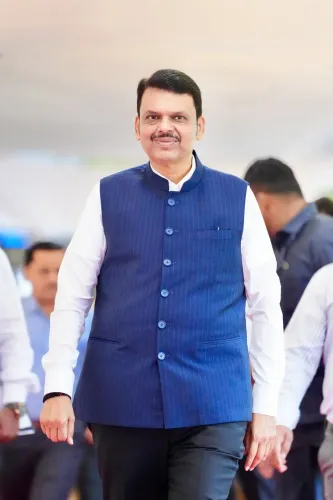
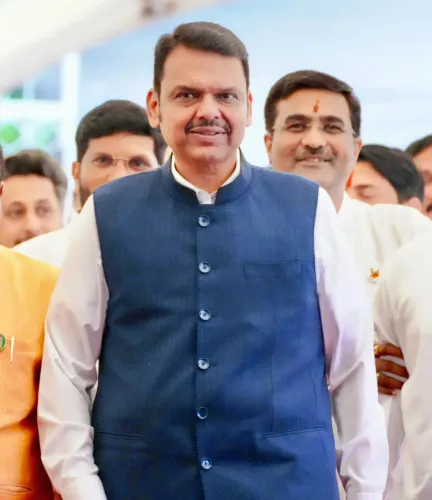
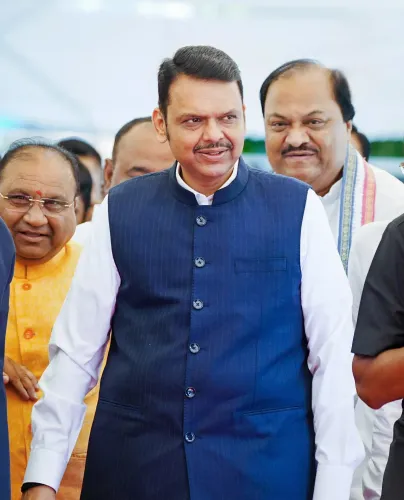
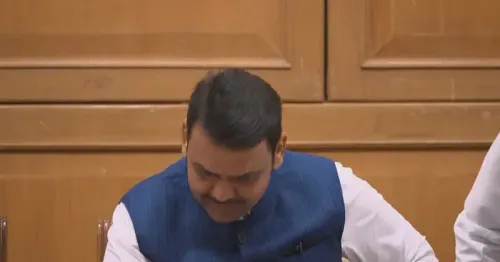
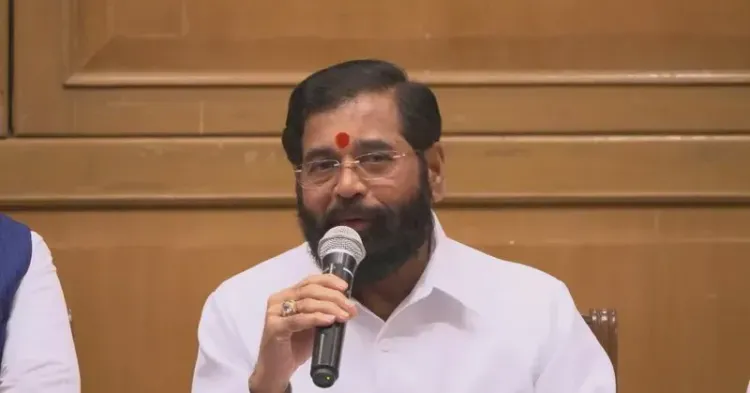
Chief Minister Devendra Fadnavis held a live press conference on 21 June 2026 on the eve of the Maharashtra Vidhan Mandal Monsoon Session 2026, previewing the government's legislative agenda and responding to media questions ahead of the session.
Key Takeaways
The Chief Minister's Office of Maharashtra announced a live press conference by CM Devendra Fadnavis on 21 June 2026 .
The press conference was held on the eve of the Maharashtra Vidhan Mandal Monsoon Session 2026 .
The event was broadcast live, reflecting the government's effort to reach citizens directly.
Maharashtra's legislature has held three annual sessions — Budget, Monsoon, and Winter — since the state's formation in 1960 .
Key issues expected during the session include agriculture, urban infrastructure, and supplementary budget demands.
Opposition parties, MLAs, MLCs, and Maharashtra's 12 crore residents are key stakeholders in the session's outcomes.
The Chief Minister's Office of Maharashtra announced on Sunday, 21 June 2026 that Chief Minister Devendra Fadnavis held a press conference on the eve of the Maharashtra Vidhan Mandal Monsoon Session 2026, previewing the government's legislative priorities ahead of the session's commencement.
Context
The CMO's post, shared live on 21 June 2026, announced the pre-session press conference under the hashtag #MonsoonSession2026, signalling the government's intent to set the public agenda before legislators convene. Pre-session press conferences by chief ministers are a well-established practice in Maharashtra, allowing the executive to frame priorities and respond to media queries before floor proceedings begin.
Devendra Fadnavis, the Bharatiya Janata Party leader who leads the ruling Mahayuti alliance, used the occasion to address journalists ahead of what is expected to be a significant legislative sitting. The post was broadcast live, indicating a deliberate effort to reach a wide audience directly.
Policy Backdrop
The Maharashtra Vidhan Mandal — the state's bicameral legislature comprising the Vidhan Sabha (lower house) and the Vidhan Parishad (upper house) — has held three regular sessions annually since Maharashtra's formation in 1960: the Budget Session, the Monsoon Session, and the Winter Session. Each sitting serves as a structured opportunity for legislative business, executive scrutiny, and passage of bills.
The Monsoon Session typically falls between June and August and has historically addressed pressing matters including agricultural distress, urban infrastructure demands, and supplementary budget allocations — all areas of acute concern in a state that contributes significantly to India's economic output. Coalition dynamics within the Mahayuti government add a further layer of political significance to floor proceedings.
Stakeholders and Impact
The session directly affects Maharashtra's elected MLAs and MLCs, opposition parties, and the state's roughly 12 crore citizens who depend on legislative action on issues ranging from farmer relief to municipal governance. Opposition benches are expected to use question hour and debate time to press the government on pending policy matters.
Civil society groups, farmer organisations, and urban resident associations across Mumbai, Pune, Nagpur and other centres typically track session proceedings closely, given that budgetary and regulatory decisions made in the legislature have direct bearing on daily life and livelihoods.
What's Next
With the Monsoon Session now imminent, attention will shift to the tabling of government bills, the conduct of question hour, and any supplementary budget demands the Fadnavis administration may introduce. The government's performance in managing floor business — and the opposition's ability to raise public-interest issues — will set the political tone for the months ahead.
How CM Fadnavis navigates coalition partners and opposition pressure during the session will be closely watched as a gauge of the Mahayuti alliance's legislative cohesion heading into the second half of 2026.
Point of View
A tactic increasingly common among state executives seeking to bypass traditional media filters. The Monsoon Session arrives at a moment when Maharashtra's coalition government faces scrutiny on agrarian and fiscal fronts, making the press conference an early move in a high-stakes legislative round. How the government translates its pre-session messaging into actionable legislative outcomes will define the session's political legacy.
NationPress
20 Sept 2026
Frequently Asked Questions
When is the Maharashtra Vidhan Mandal Monsoon Session 2026?
The Maharashtra Vidhan Mandal Monsoon Session 2026 is scheduled to begin shortly after 21 June 2026, the date on which Chief Minister Devendra Fadnavis held his pre-session press conference. Specific session dates were not confirmed in the government's announcement.
What did CM Devendra Fadnavis say at the Monsoon Session 2026 press conference?
The Chief Minister's Office announced the press conference as a live event on 21 June 2026, but specific statements made by CM Fadnavis during the briefing were not detailed in the official post.
What is the Maharashtra Vidhan Mandal?
The Maharashtra Vidhan Mandal is the state's bicameral legislature, comprising the Vidhan Sabha (lower house) and the Vidhan Parishad (upper house). It has conducted three regular sessions — Budget, Monsoon, and Winter — every year since Maharashtra's formation in 1960.
What issues are expected in the Maharashtra Monsoon Session 2026?
Based on historical patterns, the Monsoon Session is expected to address agricultural concerns, urban infrastructure, supplementary budget demands, and government bills. Specific agenda items for 2026 have not been officially confirmed.
Who is Devendra Fadnavis?
Devendra Fadnavis is a senior Bharatiya Janata Party leader and the Chief Minister of Maharashtra. He previously served as Chief Minister from 2014 to 2019 and leads the ruling Mahayuti alliance government in the state.