CM Fadnavis Launches 29 New Schemes Under MahaDBT 2.0
Synopsis
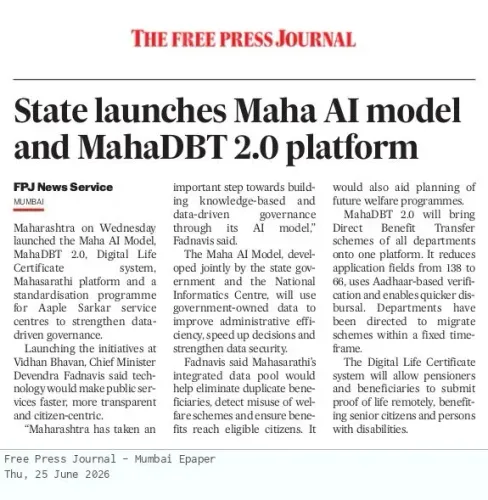
Chief Minister Devendra Fadnavis launched 29 new schemes under MahaDBT 2.0 at Sahyadri Guest House, Mumbai, on Independence Day 2026, expanding Maharashtra's Aadhaar-linked direct benefit transfer platform to give citizens simpler, single-window access to state welfare entitlements.
Key Takeaways
29 new government schemes were added to the MahaDBT 2.0 platform on 15 August 2026 .
The launch was conducted by Chief Minister Devendra Fadnavis at Sahyadri Guest House, Mumbai at 12:55 PM .
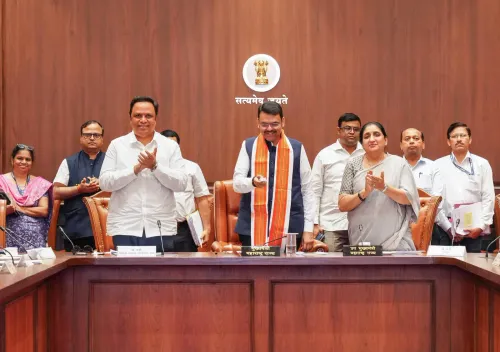
Ashish Shelar and senior state officials were present at the event.
MahaDBT routes welfare payments directly to beneficiaries' Aadhaar-seeded bank accounts, eliminating intermediaries.
India's national DBT programme has been running since 2013 ; Maharashtra's upgrade continues the state's pattern of deepening digital welfare infrastructure.
Rollout timelines and beneficiary registration numbers for the 29 schemes will be the key metric to watch in the coming months.
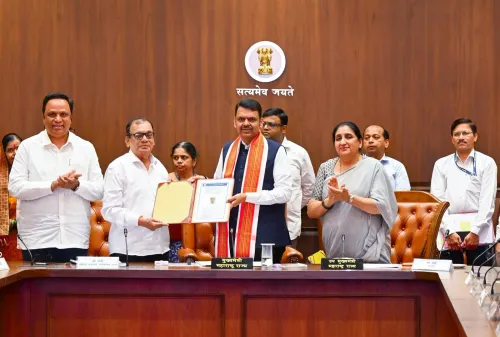
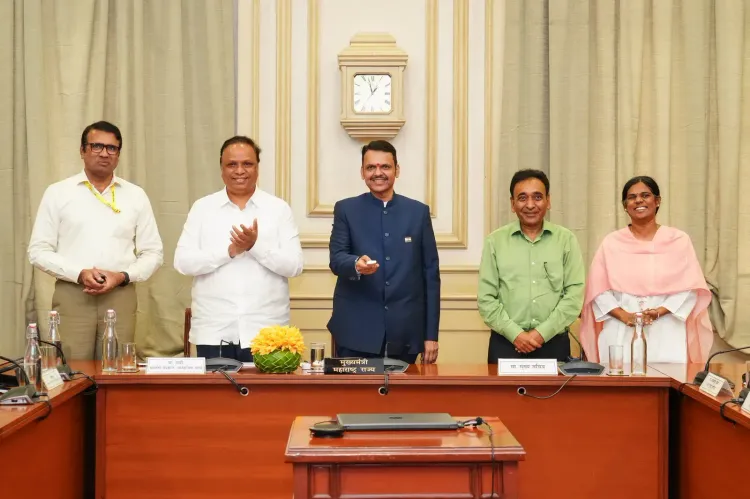
On Independence Day, 15 August 2026, Maharashtra took a significant step in digital welfare delivery — Chief Minister Devendra Fadnavis launched 29 new government schemes under the upgraded MahaDBT 2.0 platform at Sahyadri Guest House, Mumbai, at 12:55 PM, with the explicit goal of giving citizens seamless, direct access to state benefits.
What MahaDBT 2.0 Adds to Maharashtra's Welfare Stack
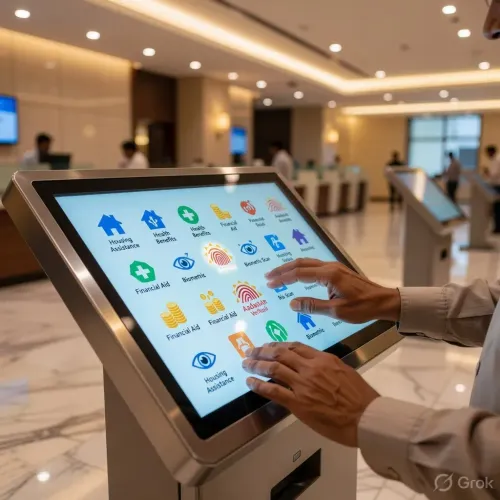
MahaDBT — Maharashtra's Direct Benefit Transfer portal — routes welfare payments straight to beneficiaries' Aadhaar-seeded bank accounts, cutting out intermediaries and the leakages they create. The 2.0 upgrade expands that single-window architecture by folding in 29 additional schemes, meaning more citizens can now apply, verify eligibility, and receive funds through one unified platform rather than navigating separate departmental processes.
The initiative sits squarely within India's national DBT push, which began in 2013 with Aadhaar-linked transfers at the centre and has since been adopted and deepened by states across the country. Maharashtra has been among the more aggressive adopters, progressively integrating more schemes onto its portal with each iteration.
Fadnavis and Shelar at the Sahyadri Launch
Minister Adv. Ashish Shelar and senior state officials were present at the Sahyadri Guest House event. The choice of Independence Day for the launch was deliberate — a moment that frames welfare access as a citizenship right, not a bureaucratic favour. CM Fadnavis personally inaugurated the expansion, signalling the administration's political ownership of the digital welfare agenda.
The specific names and performance metrics of the 29 schemes were not detailed in the official announcement, but the rollout timeline and beneficiary registration numbers over the coming months will be the real test of how much reach the upgrade delivers on the ground.
The Larger Bet on Frictionless Benefits
The core promise of DBT architecture — that a farmer, a student, or a daily-wage worker should receive their entitled benefit without standing in a queue or paying a tout — has always been harder to execute than to announce. Maharashtra's bet with MahaDBT 2.0 is that consolidating more schemes onto a single, Aadhaar-authenticated portal is the fastest path to closing that gap. With 29 new schemes now on the platform, the state is widening its surface area for direct delivery considerably.
If uptake is strong, this expansion could become a template for other states still running fragmented welfare portals.
Point of View
Which is a message the Fadnavis government has consistently sought to project. Adding 29 schemes to a single portal is meaningful consolidation, but the real governance test is whether backend integration is robust enough to handle the surge in applications without creating new digital bottlenecks. Maharashtra's willingness to keep iterating on its DBT infrastructure also puts quiet pressure on other states to modernise fragmented welfare portals. The choice of Sahyadri Guest House and Independence Day as the backdrop ensures maximum visibility for what is, at its core, a technocratic upgrade — a sign that the administration sees welfare digitisation as an electoral asset, not just a policy tool.
NationPress
16 Aug 2026
Frequently Asked Questions
What is MahaDBT 2.0?
MahaDBT 2.0 is the upgraded version of Maharashtra's Direct Benefit Transfer portal, which routes welfare scheme payments directly to beneficiaries' Aadhaar-linked bank accounts. The 2.0 version adds 29 new government schemes to the platform, expanding single-window access for citizens.
How many schemes were launched under MahaDBT 2.0?
29 new government schemes were launched under MahaDBT 2.0 by Chief Minister Devendra Fadnavis on 15 August 2026 at Sahyadri Guest House, Mumbai.
What is the purpose of MahaDBT?
MahaDBT is designed to give Maharashtra citizens seamless, direct access to state government welfare benefits by eliminating intermediaries and routing payments through Aadhaar-seeded bank accounts, reducing leakages in the system.
Who attended the MahaDBT 2.0 launch event?
Chief Minister Devendra Fadnavis personally inaugurated the platform. Minister Adv. Ashish Shelar and senior state officials were also present at the event held at Sahyadri Guest House, Mumbai.
How does Maharashtra's MahaDBT relate to India's national DBT programme?
India's national Direct Benefit Transfer programme was launched in 2013 to reduce subsidy leakages through Aadhaar-linked transfers. Maharashtra's MahaDBT is the state's implementation of that framework, and MahaDBT 2.0 continues the pattern of integrating more schemes onto a single portal in line with the central government's digitised welfare delivery push.