CM Fadnavis Launches Smart Policing Tools for Mumbai Police
Synopsis
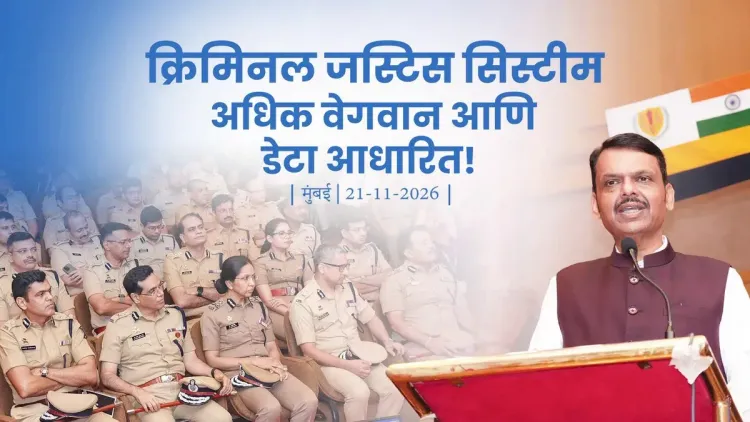
Maharashtra CM Devendra Fadnavis on 21 November 2026 launched DG i-Cards, smart tablets linked to MPIS, and the 'Samvad' secure communication app for the Brihanmumbai Police Commissionerate, pushing Mumbai policing firmly into the data-driven era.
Key Takeaways
DG i-Cards launched for Mumbai Police personnel to curb rising impersonation of law enforcement officers.
Smart tablets integrated with the Maharashtra Police Information System (MPIS) will enable data-driven, field-level policing.
The 'Samvad' app provides a dedicated, secure platform for information exchange among Mumbai Police staff.
All three tools were inaugurated at the Brihanmumbai Police Commissionerate on 21 November 2026 .
The initiative builds on the national CCTNS framework launched in 2009 , extending data access from stations to frontline officers.
Rollout adoption and measurable crime-impact metrics will be closely watched in coming months.
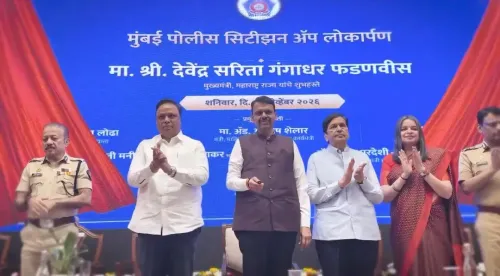
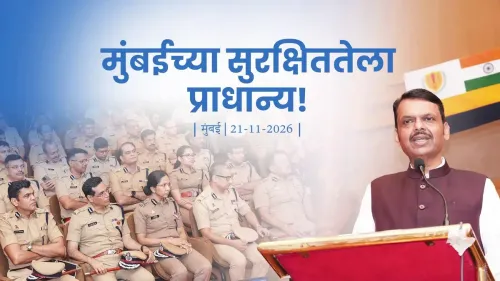
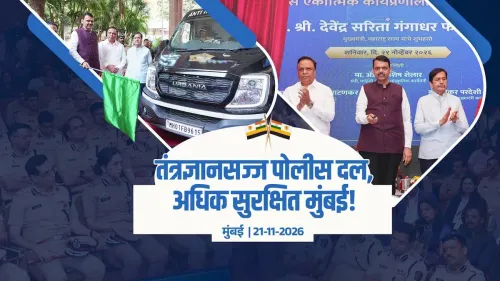
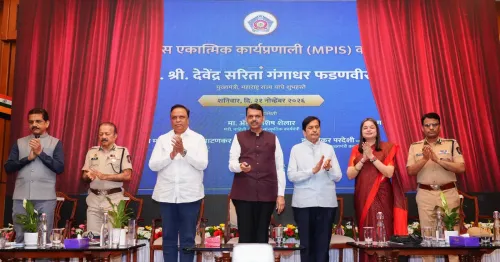
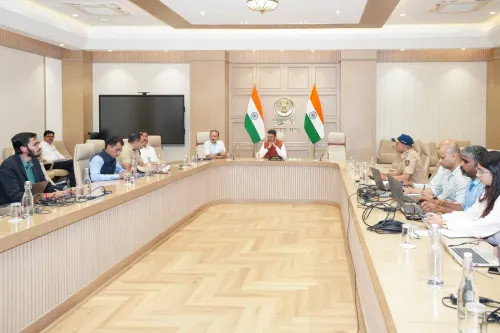
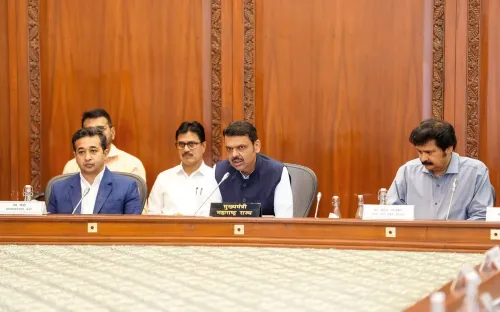
Mumbai's police force just got a significant technology upgrade. Maharashtra Chief Minister Devendra Fadnavis on Saturday, 21 November 2026, inaugurated a suite of digital policing initiatives at the Brihanmumbai Police Commissionerate — tools designed to curb impersonation, sharpen data-driven operations, and secure inter-officer communication.
Posting about the launch, Fadnavis highlighted three pillars of the upgrade: 'DG i-Cards will help rein in rising impersonation fraud; smart tablets and 'MPIS' will strengthen data-driven policing; and the 'Samvad' app will provide a secure platform for the exchange of information.'
DG i-Cards Take Aim at a Growing Impersonation Problem
Fake police officers are not a new menace in a city the size of Mumbai, but the problem has grown sharp enough to warrant a dedicated digital identity solution. The newly launched DG i-Cards — digital identity credentials for police personnel — are designed to make impersonation meaningfully harder. A verifiable, tamper-resistant ID in the hands of every officer raises the bar for anyone seeking to pass themselves off as law enforcement. The move addresses a credibility gap that has long plagued urban policing: when citizens cannot quickly verify an officer's identity, the entire interaction rests on trust alone. A digital card that can be checked in real time changes that equation.Smart Tablets and MPIS: Putting Data Where the Action Is
Alongside the i-Cards, Mumbai Police is deploying smart tablets paired with the Maharashtra Police Information System (MPIS). The combination puts live operational data directly into the hands of officers on the ground — incident records, case histories, and local intelligence no longer locked inside a station desktop. This fits neatly into a pattern that Indian states have been building since the national Crime and Criminal Tracking Network and Systems (CCTNS) project was launched in 2009. That initiative digitised police records across the country; what Maharashtra is now doing is taking that data out of the back office and into the field, closing the last-mile gap between information and enforcement.'Samvad' App: A Secure Channel for the Force
The third piece is 'Samvad' — samvad means 'dialogue' or 'communication' in Marathi and Hindi — a dedicated app that provides Mumbai Police personnel with an encrypted, secure platform for sharing sensitive operational information. In an era when routine consumer messaging apps are routinely exploited or monitored, a purpose-built secure channel for a force the size of Mumbai's carries real operational value. Taken together, the three tools represent a coherent push: verify who your officers are, arm them with live data, and let them talk securely. The rollout timelines, adoption rates, and measurable impact on crime metrics in the months ahead will be the real test of whether the ambition translates on the ground.Point of View
Field data access, and secure communication signals that Maharashtra is treating policing modernisation as a system-wide problem rather than a piecemeal fix. For Chief Minister Fadnavis — who also holds the Home portfolio — this launch is as much a governance statement as an operational one, reinforcing his administration's law-and-order credentials. The initiative places Maharashtra in the vanguard of state-level police digitisation, echoing the Centre's long-running push through CCTNS to bring Indian law enforcement fully into the information age. The harder question is implementation: technology launches in Indian policing have often outpaced the training and cultural shifts needed to make them stick.
NationPress
21 Nov 2026
Frequently Asked Questions
What are DG i-Cards for Mumbai Police?
DG i-Cards are digital identity credentials issued to Mumbai Police personnel, designed to prevent impersonation of law enforcement officers by enabling quick, verifiable identity checks.
What is the MPIS in Maharashtra policing?
MPIS stands for Maharashtra Police Information System, a data platform that, when paired with smart tablets, gives field officers real-time access to case records, incident data, and operational intelligence.
What does the 'Samvad' app do for Mumbai Police?
The 'Samvad' app — meaning 'dialogue' or 'communication' — provides Mumbai Police personnel with a secure, encrypted platform for sharing sensitive operational information internally.
Who launched the Mumbai Police smart policing tools?
Maharashtra Chief Minister Devendra Fadnavis inaugurated the new tools — DG i-Cards, smart tablets with MPIS, and the Samvad app — at the Brihanmumbai Police Commissionerate on 21 November 2026.
How does this relate to the national CCTNS project?
The national Crime and Criminal Tracking Network and Systems project, launched in 2009, digitised police records across India. Maharashtra's new initiative extends that work by putting live data into the hands of field officers through smart tablets linked to MPIS.