CM Fadnavis meets Sumitomo Realty director, reviews Mumbai investments
Synopsis
Maharashtra Chief Minister Devendra Fadnavis hosted Sumitomo Realty & Development Director Hisatoshi Katayama in Mumbai, reviewing the Japanese firm's ongoing and upcoming projects in BKC and Powai and reaffirming Maharashtra's status as a top destination for Japanese investment.
Key Takeaways
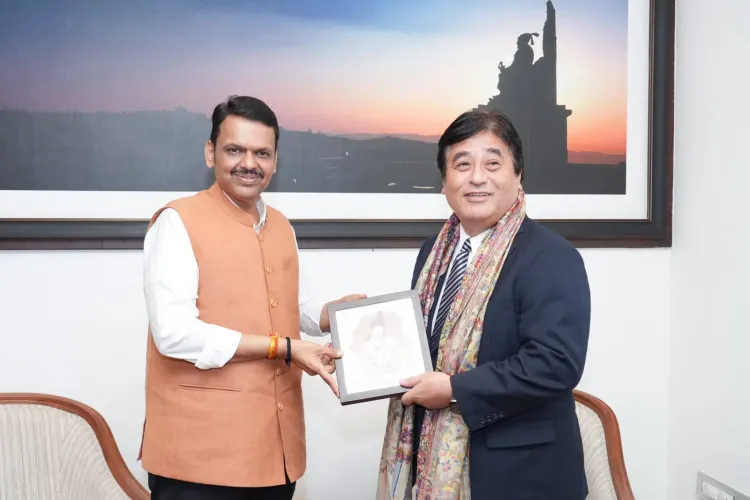
CM Devendra Fadnavis met Hisatoshi Katayama , Director of Sumitomo Realty & Development , at his official Mumbai residence on 26 September 2026 .
Discussions covered Sumitomo's ongoing and upcoming real estate projects in Bandra-Kurla Complex (BKC) and Powai .
The meeting was framed as 'a key passing milestone,' signalling continuity rather than conclusion in Sumitomo's Maharashtra engagement.
The India-Japan Comprehensive Economic Partnership Agreement of 2011 has underpinned rising Japanese FDI into Maharashtra over the past decade.
Maharashtra has positioned itself as a preferred investment destination for Japanese firms, competing with other Indian states for capital in real estate and urban infrastructure.
Further project announcements and participation in India-Japan business forums are the next indicators to watch.
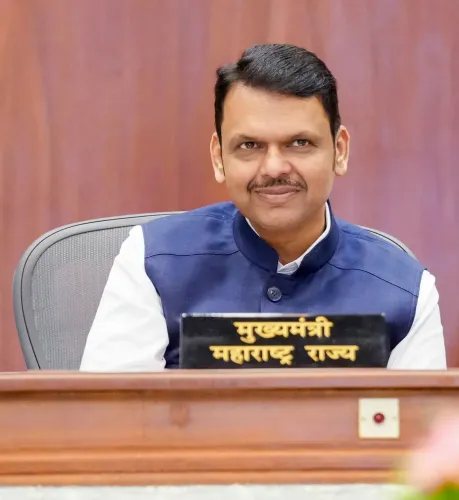
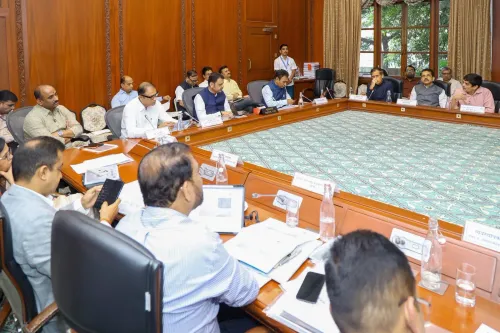
A top Japanese real estate executive sat down with Maharashtra Chief Minister Devendra Fadnavis at his official Mumbai residence on Saturday, 26 September 2026 — a meeting that underscored how deeply Japanese corporate capital has taken root in India's financial capital. The agenda: Sumitomo's ongoing and upcoming projects in two of Mumbai's most high-value business districts.
Fadnavis welcomed Hisatoshi Katayama, Director of Sumitomo Realty & Development, and the two reviewed the company's existing investment portfolio across Bandra-Kurla Complex (BKC) and Powai. 'The strong bond between India and Japan is reflected in the enduring partnership between Sumitomo and Maharashtra,' Fadnavis wrote on X, flagging both locations as active ground for the Japanese developer.
Sumitomo's Mumbai footprint at BKC and Powai
Sumitomo Realty & Development is one of Japan's major real estate groups, and its presence in Mumbai's commercial corridors represents years of sustained commitment to the Indian market. BKC has evolved into Mumbai's premier business address — home to financial regulators, foreign consulates, and multinational headquarters — while Powai anchors the city's technology and innovation corridor. Projects in both micro-markets carry significant commercial weight and signal long-term confidence in urban Maharashtra.
The Chief Minister noted the meeting as 'a key passing milestone,' a phrase that positions it not as a conclusion but as a checkpoint in a continuing relationship. The discussion covered both ongoing developments and upcoming project pipelines, suggesting Sumitomo's Maharashtra play is still expanding.
Maharashtra's decade-long Japanese investment courtship
This meeting does not happen in isolation. The India-Japan Comprehensive Economic Partnership Agreement of 2011 opened structured pathways for Japanese FDI into Indian states, and Maharashtra moved early to capitalise — establishing dedicated investment promotion mechanisms and hosting multiple Japanese business delegations over the years. High-level India-Japan summits dating back to 2006 have consistently pushed state-level investment facilitation in infrastructure and urban development, and those commitments have since translated into tangible corporate anchoring.
Maharashtra's competition with other Indian states for Japanese capital — spanning real estate, logistics, and urban infrastructure — has intensified as Japan's firms look beyond Tokyo and Osaka for growth. Western India, with Mumbai as its gateway, has consistently been a preferred landing zone. Fadnavis's message that 'Maharashtra continues to be a preferred investment destination for Japanese firms' is both a statement of fact and a signal to other Japanese boardrooms watching.
What comes next for India-Japan corporate ties in the state
The Chief Minister closed with a forward-looking note: 'Looking forward to even stronger and powerful partnerships in the years ahead.' That framing — moving from friendship to partnership, from milestone to momentum — hints at further project announcements on the horizon. Watchers of India-Japan economic diplomacy will track whether this engagement translates into fresh project sanctions at BKC or Powai, and whether Maharashtra officials appear at upcoming India-Japan business forums to consolidate the relationship.
One corporate meeting at an official residence rarely moves markets alone. But when Japan's real estate capital and India's commercial capital align in the same room, the outcome tends to be concrete — and measurable in square feet.
Point of View
And often ahead of, formal government-to-government processes. Fadnavis's decision to frame the encounter as a 'passing milestone' rather than a destination is politically astute: it keeps expectations calibrated while signalling momentum to other Japanese investors. Against the backdrop of intensifying inter-state competition for Japanese FDI, Maharashtra's long-cultivated institutional advantage — its promotion cells, its Mumbai address, its BKC and Powai real estate product — gives it a structural edge. The real test will come when project-level announcements translate this warm diplomacy into square footage and jobs.
NationPress
26 Sept 2026
Frequently Asked Questions
Who is Hisatoshi Katayama and why did he meet CM Fadnavis?
Hisatoshi Katayama is a Director at Sumitomo Realty & Development, a major Japanese real estate company. He met Maharashtra Chief Minister Devendra Fadnavis in Mumbai on 26 September 2026 to review Sumitomo's existing and planned real estate investments in BKC and Powai.
What projects does Sumitomo Realty & Development have in Mumbai?
Sumitomo Realty & Development has ongoing and upcoming projects in Bandra-Kurla Complex (BKC) and Powai, two of Mumbai's most significant commercial and technology corridors. Specific project details were discussed in the meeting but have not been publicly disclosed.
Why is Maharashtra considered a preferred destination for Japanese investment?
Maharashtra has benefited from the India-Japan Comprehensive Economic Partnership Agreement of 2011, dedicated investment promotion mechanisms, and its geographic and commercial advantage as India's financial capital. Multiple Japanese firms have anchored real estate, logistics, and infrastructure projects in the state over the past decade.
What is the India-Japan economic partnership agreement?
The India-Japan Comprehensive Economic Partnership Agreement, signed in 2011, created structured pathways for trade and investment between the two countries, including facilitation of Japanese FDI into Indian states like Maharashtra.
What will be the next steps after Fadnavis's meeting with Sumitomo?
Observers will watch for further project announcements by Sumitomo in Mumbai's BKC and Powai areas, as well as Maharashtra's participation in upcoming India-Japan business forums that could yield additional investment commitments.