CM Fadnavis mourns passing of Sengol craftsman Vummidi Ethiraj
Synopsis
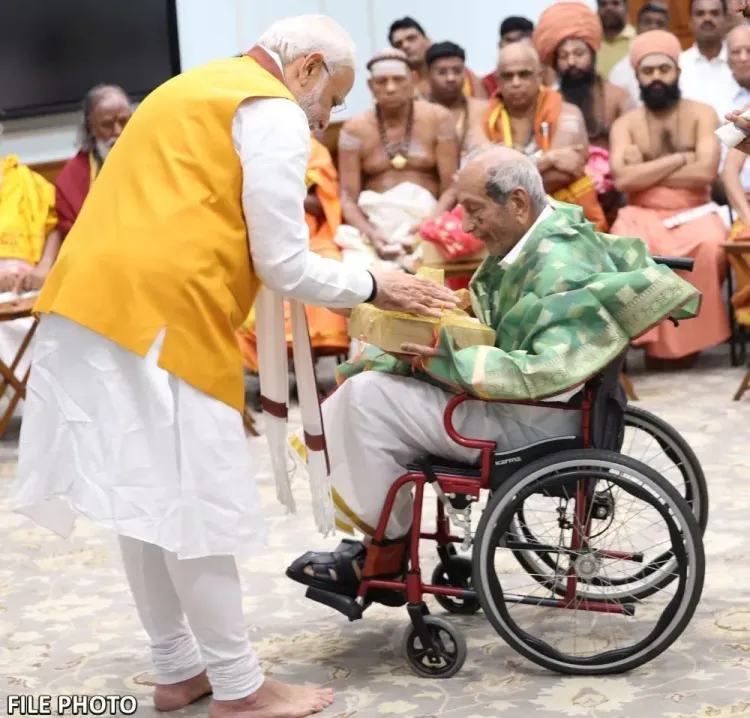
Maharashtra CM Devendra Fadnavis paid tribute to Thiru Vummidi Ethiraj, the Tamil artisan from Chennai's Vummidi family who crafted the historic Sengol — installed with national ceremony in Parliament in May 2023 under PM Modi.
Key Takeaways
Maharashtra CM Devendra Fadnavis mourned the passing of Thiru Vummidi Ethiraj , a celebrated Tamil artisan from the Vummidi family of Chennai .
Vummidi Ethiraj is widely recognised for his role in crafting the Sengol , the ceremonial sceptre rooted in Tamil Shaivite tradition.
The Sengol was installed in the new Parliament building in May 2023 by Prime Minister Narendra Modi during the building's inauguration.
Fadnavis described the Sengol's installation as reflecting 'India's commitment to preserving and celebrating its rich civilisational heritage.' The tribute adds Maharashtra's voice to national recognition of artisans behind India's cultural heritage symbols.
Possible posthumous state or central government honours for Vummidi Ethiraj and his family remain an open question.
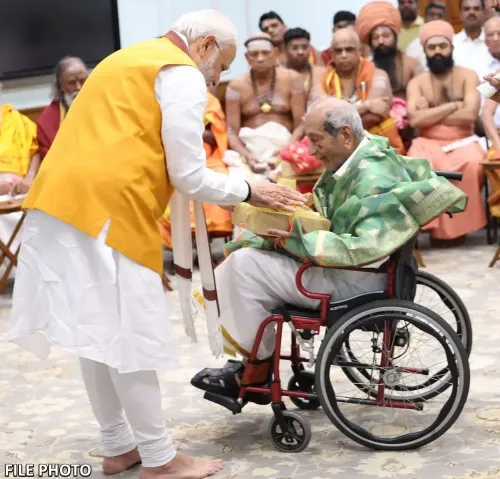
A master craftsman whose hands shaped one of modern India's most consequential ceremonial objects has passed away. Maharashtra Chief Minister Devendra Fadnavis on Wednesday, October 21, 2026, expressed deep grief over the death of Thiru Vummidi Ethiraj, a Tamil artisan from the storied Vummidi family of Chennai, revered for his contribution to India's traditional craftsmanship — most notably, his role in crafting the historic Sengol.
The man behind the Sengol
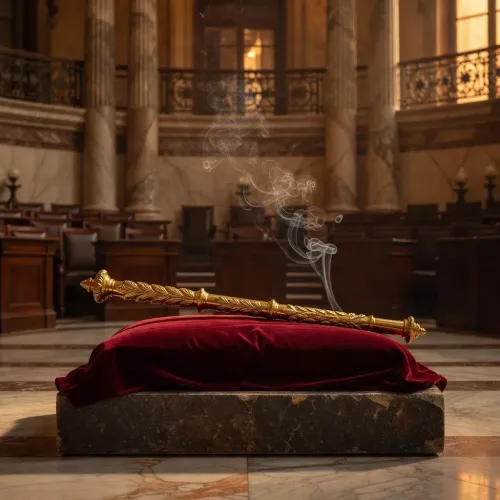
Vummidi Ethiraj belonged to the Vummidi family, one of Chennai's most celebrated lineages of traditional artisans. The family's most enduring contribution to national history is the crafting of the Sengol — the ceremonial sceptre that originated in the 1940s and was steeped in Tamil Shaivite tradition, symbolising the transfer of just and righteous authority.
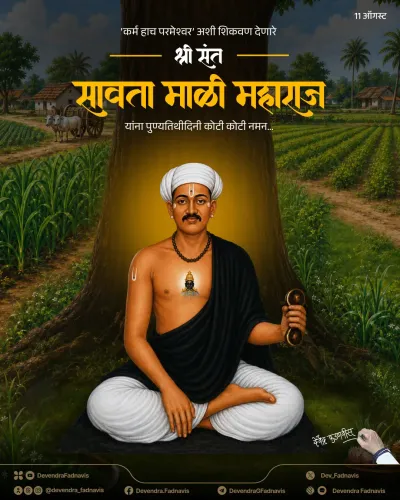
CM Fadnavis wrote: 'His exceptional craftsmanship and dedication to India's cultural heritage will always be remembered. His contribution to crafting the historic Sengol remains a proud part of our nation's journey.' The tribute, closing with 'Om Shanti', carried the quiet weight of a community's loss.
From the 1940s to the new Parliament: the Sengol's long journey
The Sengol's return to national prominence came in May 2023, when Prime Minister Narendra Modi presided over its installation inside the newly inaugurated Parliament building — placing it steps from the Speaker's seat in the Lok Sabha chamber. The moment was among the most visually striking of the new Parliament's opening, drawing the arc of history from India's independence era directly into its most modern democratic space.
Fadnavis noted that the installation reflected 'India's commitment to preserving and celebrating its rich civilisational heritage' — a line that situates the artisan's work not merely as craft but as an act of nation-building. For the Vummidi family, the 2023 ceremony was a moment of extraordinary, public validation.
A broader push to centre pre-colonial symbols
The Sengol's installation was part of a wider cultural policy approach pursued since 2014, under which the central government has elevated pre-colonial symbols and traditions into official institutional spaces. The logic: that India's democratic institutions gain deeper roots when linked to the civilisational continuity that preceded colonial rule. The artisans who made those symbols possible — often working in anonymity for generations — have rarely received equivalent recognition.
Fadnavis's tribute, extended from Maharashtra, broadens that recognition to a state level, underlining that the Sengol's significance transcends any single region. Whether the Centre or the Tamil Nadu government will announce a posthumous honour for Vummidi Ethiraj now remains an open question.
A craftsman who quietly threaded history into metal now passes into it — and the sceptre he helped shape will stand in Parliament long after his name is learned by those who see it.
Point of View
Linking the Sengol's craftsmanship to national civilisational identity. The tribute signals that the political significance of the Sengol's 2023 installation extends well beyond Delhi, finding resonance at the state level. At the same time, the near-anonymity of the craftsman until now raises a sharper question: whether India's institutional celebrations of heritage symbols will translate into sustained, living recognition for the artisan families who create them. A posthumous honour, if it follows, would test how deep that commitment runs.
NationPress
21 Oct 2026
Frequently Asked Questions
Who was Vummidi Ethiraj?
Thiru Vummidi Ethiraj was a Tamil artisan from the Vummidi family of Chennai, renowned for traditional craftsmanship and most notably for his role in crafting the historic Sengol sceptre.
What is the Sengol and why is it significant?
The Sengol is a ceremonial sceptre rooted in Tamil Shaivite tradition, originally crafted in the 1940s to symbolise the transfer of righteous authority. It was installed in the new Parliament building in May 2023 by Prime Minister Narendra Modi as a symbol of India's civilisational continuity.
Where is the Sengol kept today?
The Sengol is installed inside the new Parliament building, placed near the Speaker's seat in the Lok Sabha chamber, where it was ceremonially placed during the building's inauguration in May 2023.
Why did CM Devendra Fadnavis pay tribute to Vummidi Ethiraj?
Maharashtra CM Devendra Fadnavis paid tribute to acknowledge Vummidi Ethiraj's exceptional craftsmanship and his direct contribution to creating the Sengol, which holds a prominent place in India's new Parliament and national cultural heritage.
Will there be a posthumous honour for Vummidi Ethiraj?
No official announcement has been made yet, but Fadnavis's public tribute has raised the possibility of a posthumous state or central government recognition for the artisan and his family.