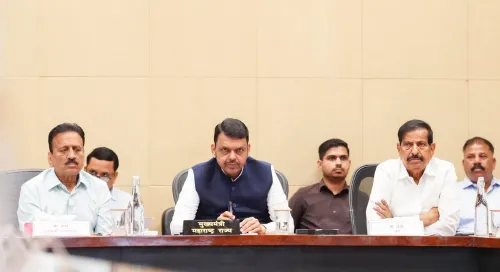
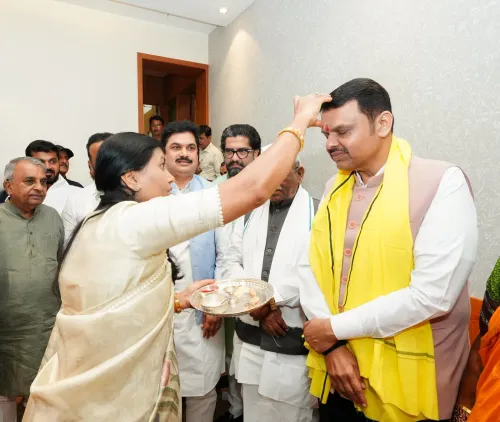
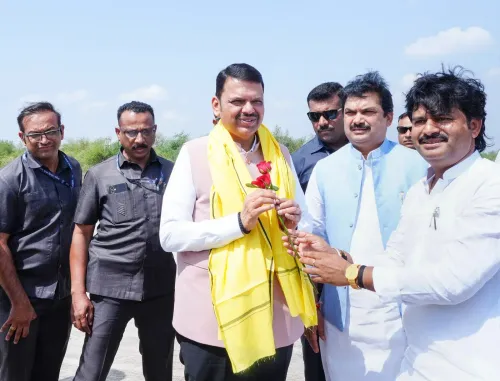
CM Fadnavis orders priority 7/12 for Palghar's Hanumannagar, Chandranagar
Synopsis
At Seva Sankalp Abhiyan 2026 in Palghar, CM Devendra Fadnavis ordered the district administration to issue 7/12 land extracts on a priority basis to residents of Hanumannagar and Chandranagar, addressing a long-standing land-records backlog in the district.
Key Takeaways
CM Devendra Fadnavis directed Palghar administration to issue 7/12 land extracts on a priority basis to residents of Hanumannagar and Chandranagar .
The directive was issued during Seva Sankalp Abhiyan 2026 , a government outreach programme, on 9–10 October 2026 in Palghar.
The 7/12 extract is Maharashtra's primary land-ownership document, essential for loans, compensation, and legal title protection.
Palghar district has a significant tribal population with historically pending land-record entries.
The CM posted the directive in both Marathi and Hindi , signalling a broad accountability message.
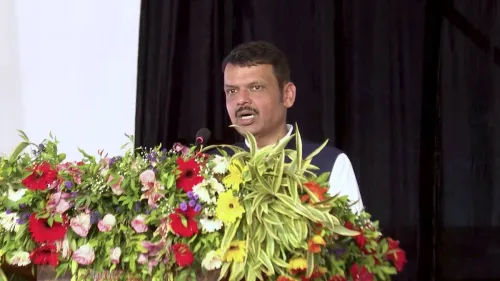
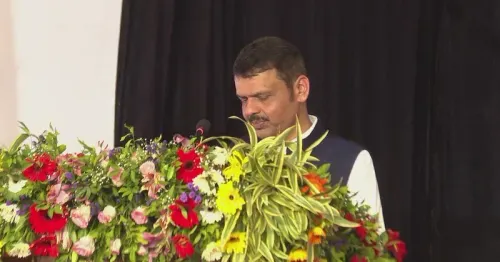
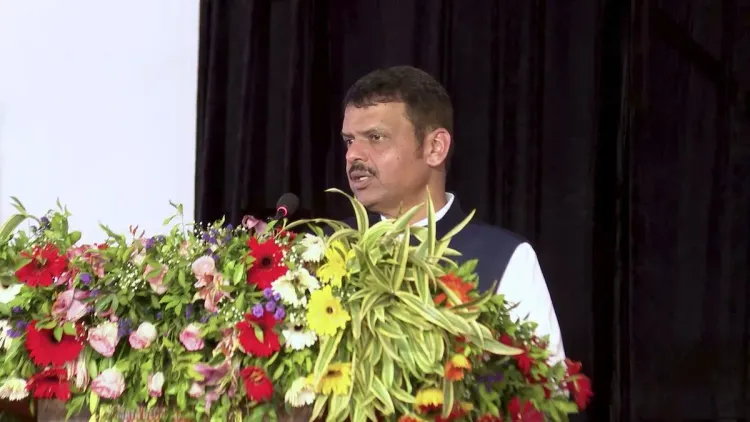
Land rights delivered on the spot — that was the promise Maharashtra Chief Minister Devendra Fadnavis made to residents of Hanumannagar and Chandranagar in Palghar on 9 October 2026, directing his administration to issue priority 7/12 land extracts to citizens of both localities under the ongoing Seva Sankalp Abhiyan 2026.
What the 7/12 order means for Palghar residents
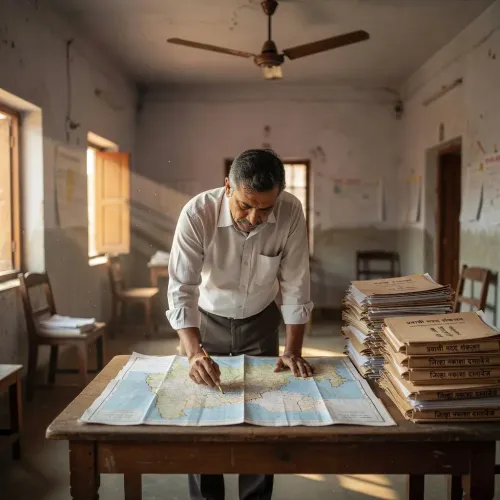
The 7/12 extract — named after the two registers (Form 7 and Form 12) it combines — is the foundational land-ownership document in Maharashtra. Without it, farmers and landholders cannot access crop loans, government compensation, or legal title protection. For residents of Hanumannagar and Chandranagar, areas in Palghar district where land-records disputes and pending entries have historically left many without formal documentation, the CM's directive to prioritise issuance is a direct intervention in a long-standing administrative backlog.
Seva Sankalp Abhiyan 2026 — grievance redressal on the road
The order emerged from the Seva Sankalp Abhiyan 2026, an outreach programme under which CM Fadnavis and his government officials travel to districts to receive public grievances and issue on-the-spot administrative directives. Palghar, a coastal district north of Mumbai with a significant tribal and agrarian population, was the programme's stop on 9–10 October 2026. The format is designed to cut through routine bureaucratic delays by converting a citizen's complaint directly into a recorded government order — with the CM as witness.
Posting in both Marathi and Hindi on X, Fadnavis stated: 'Instructions have been given to the administration to issue 7/12 on a priority basis to the citizens of Hanumannagar and Chandranagar in Palghar.' The bilingual post signals the message was aimed at both local and broader audiences tracking the Abhiyan's progress.
Palghar's land-records challenge
Palghar district, carved out of Thane in 2014, has a large scheduled-tribe population whose land rights under the Forest Rights Act and state revenue codes have been subject to prolonged administrative processing. Delays in updating 7/12 records have meant that legitimate landholders remain in limbo — unable to prove ownership for welfare schemes or court proceedings. A CM-level direction to prioritise issuance in specific settlements puts official pressure on district and taluka-level revenue officers to act within a defined timeline rather than routine procedure.
Whether the order translates swiftly into updated records on the ground — and how many households in Hanumannagar and Chandranagar stand to benefit — is the test the administration now faces.
Point of View
On-the-spot direction to prioritise 7/12 issuance in specific Palghar localities is a visible accountability move — converting a constituency grievance into a recorded government order rather than letting it travel through normal bureaucratic channels. It fits a pattern of outreach governance where senior leaders use field programmes to demonstrate administrative responsiveness in land-sensitive, tribal-majority districts. The real measure, however, will be in follow-through: whether revenue officers in Palghar treat the CM's public post as a binding timeline or a political gesture is what determines whether Hanumannagar and Chandranagar residents actually receive their documents.
NationPress
9 Oct 2026
Frequently Asked Questions
What is a 7/12 extract in Maharashtra?
A 7/12 extract is Maharashtra's official land-record document combining entries from Register 7 (rights) and Register 12 (crop details). It serves as proof of land ownership and is required to access crop loans, government compensation, and legal protections.
What is Seva Sankalp Abhiyan 2026?
Seva Sankalp Abhiyan 2026 is a Maharashtra government outreach programme in which CM Devendra Fadnavis and officials visit districts to receive public grievances and issue direct administrative directives on the spot.
Why are 7/12 records pending for Palghar residents?
Palghar district , home to a large scheduled-tribe population, has faced prolonged delays in updating land records, leaving many legitimate landholders unable to formally prove ownership for welfare schemes or legal proceedings.
Which areas did CM Fadnavis specifically mention in his order?
CM Fadnavis specifically named Hanumannagar and Chandranagar in Palghar as localities where the administration has been directed to issue 7/12 extracts on a priority basis.
When did CM Fadnavis visit Palghar for Seva Sankalp Abhiyan?
CM Fadnavis was in Palghar for Seva Sankalp Abhiyan 2026 on 9–10 October 2026 , during which he issued the directive on priority 7/12 issuance.