CM Fadnavis: Palghar Residents End 50-Year Rehab Wait
Synopsis
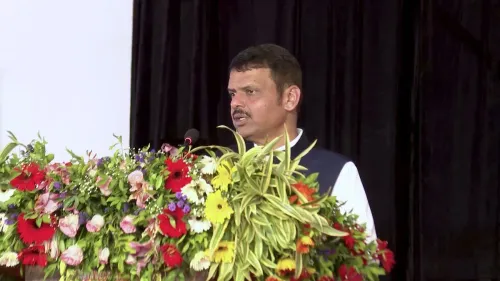
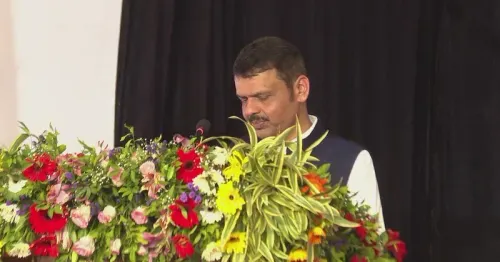
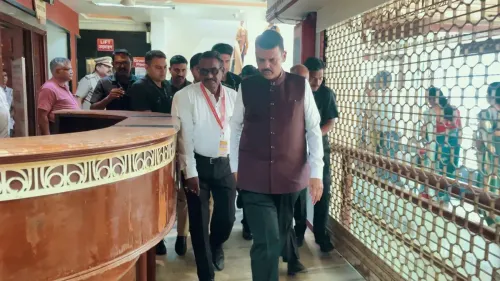
At the Seva Sankalp Abhiyan 2026 camp in Palghar, CM Devendra Fadnavis announced closure of a 50-year-old rehabilitation dispute affecting residents of Hanumannagar and Chandranagar, calling 9 October 2026 a 'golden day' for the communities.
Key Takeaways
Residents of Hanumannagar and Chandranagar in Palghar had awaited rehabilitation for 50 years .
The resolution was announced at the Seva Sankalp Abhiyan 2026 outreach camp on 9–10 October 2026 .
CM Devendra Fadnavis amplified the announcement on X, quoting the community's relief in both Marathi and Hindi.
Palghar was carved out as a separate district from Thane in 2014 and has complex land and resettlement histories.
The event positions Seva Sankalp Abhiyan as a mechanism for resolving inherited, long-pending civic grievances.
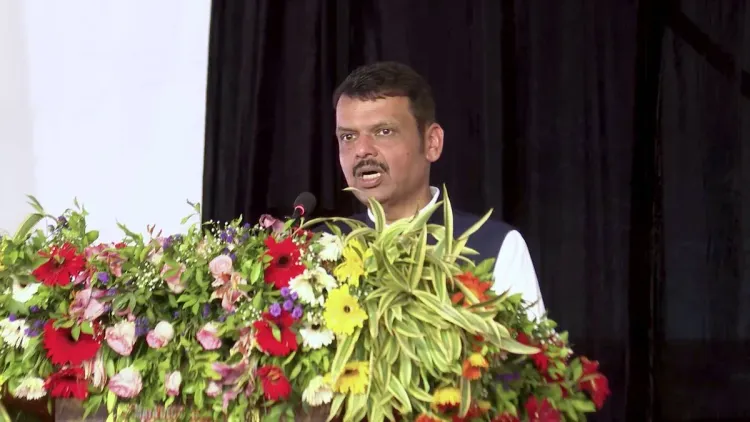
Fifty years is a long time to wait for a home you were promised. On 9–10 October 2026, at the Seva Sankalp Abhiyan camp in Palghar, that wait finally ended for the residents of Hanumannagar and Chandranagar — two localities whose rehabilitation had remained stalled for half a century. Maharashtra Chief Minister Devendra Fadnavis amplified the moment on X, quoting a message that captured the scale of the relief: 'aaj unke jeevan mein swarnim din aaya hai' — 'a golden day has dawned in their lives today.'
Five Decades of Displacement in Palghar
The residents of Hanumannagar and Chandranagar in Palghar district had been displaced and left in limbo under the promise of rehabilitation — a process that, according to the post, dragged on for 50 years. Generation after generation navigated uncertain land rights, temporary shelters, and bureaucratic delays, all under the banner of 'punarwasan' (rehabilitation). That five-decade standoff became the defining grievance of these two communities.
Seva Sankalp Abhiyan Delivers the Breakthrough
The resolution came through the Seva Sankalp Abhiyan 2026, a governance outreach initiative that appears designed to bring administration directly to citizens and resolve long-pending cases on the ground. The Palghar leg of the campaign, held on 9–10 October 2026, served as the platform for formally addressing the Hanumannagar and Chandranagar rehabilitation cases. The programme signals an effort to convert inherited grievances into documented, deliverable outcomes rather than routine file-shuffling.
What the 'Golden Day' Means on the Ground
For families who spent decades without security of tenure — unable to build, sell, or fully own their homes — a formal rehabilitation order is transformative. It means legal ownership, access to government schemes tied to land records, and the end of the psychological burden of impermanence. The CM's post, deliberately quoting the community's own language, frames the event not as a bureaucratic milestone but as a suvarna divas — a 'golden day' — for the people themselves. That framing matters: it signals that the government is claiming accountability for a failure that long predates the current administration.
Palghar, once part of Thane district and carved into a separate district in 2014, has significant tribal and resettlement populations with complex land and rehabilitation histories. Resolving even one cluster of long-pending cases through a visible public programme sets a precedent for how similar grievances across Maharashtra's newer districts could be addressed.
Fifty years is a long time to ask people to wait. The question now is whether the systems that allowed that wait are being fixed — or just the cases.
Point of View
Where Palghar's tribal and resettlement belt has historically been contested ground, demonstrating delivery on a 50-year-old grievance carries real electoral weight. The bilingual post — Marathi and Hindi — also signals deliberate outreach to both the local community and a broader national audience. The deeper test is institutional: whether the administrative fix is durable or whether these families will face new procedural hurdles once the camp moves on.
NationPress
9 Oct 2026
Frequently Asked Questions
Why did Palghar residents wait 50 years for rehabilitation?
The residents of Hanumannagar and Chandranagar in Palghar were displaced and placed under a rehabilitation process that remained unresolved for five decades due to long-pending administrative and land-record complications. The issue was formally addressed at the Seva Sankalp Abhiyan 2026 camp on 9–10 October 2026.
What is Seva Sankalp Abhiyan 2026?
Seva Sankalp Abhiyan 2026 is a governance outreach initiative in Maharashtra that brings administration directly to citizens to resolve long-pending cases. The Palghar edition was held on 9–10 October 2026.
What did CM Devendra Fadnavis say about Palghar rehabilitation?
CM Fadnavis shared a post on X quoting that residents of Hanumannagar and Chandranagar in Palghar had struggled for 50 years in the name of rehabilitation, but that 9 October 2026 was a 'golden day' in their lives.
Where are Hanumannagar and Chandranagar located?
Hanumannagar and Chandranagar are localities in Palghar district, Maharashtra. Palghar was carved out from Thane district in 2014 and has a significant tribal and resettlement population.
What does rehabilitation mean for these Palghar residents?
For the affected residents, rehabilitation means formal legal ownership of their land or homes, access to government schemes tied to land records, and an end to decades of uncertain tenure and displacement.