CM Fadnavis Orders Time-Bound Action on Tribal Rights
Synopsis
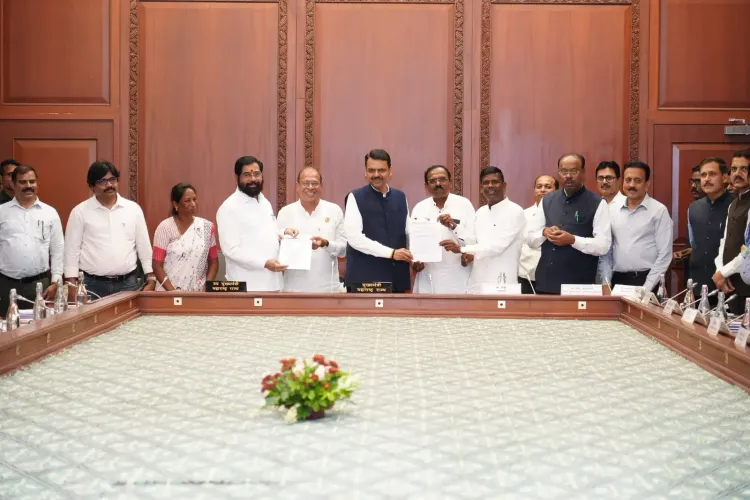
Chief Minister Devendra Fadnavis met Shramjivi Sanghatana on 28 October 2026 and issued time-bound directives on forest rights, tribal education, Jal Jeevan Mission coverage, Aadhaar enrolment, and bonded-labour rehabilitation across six Maharashtra districts.
Key Takeaways
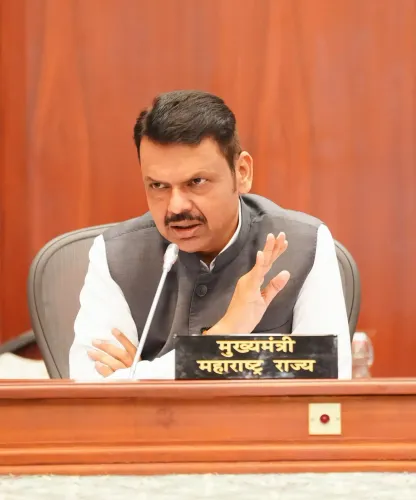
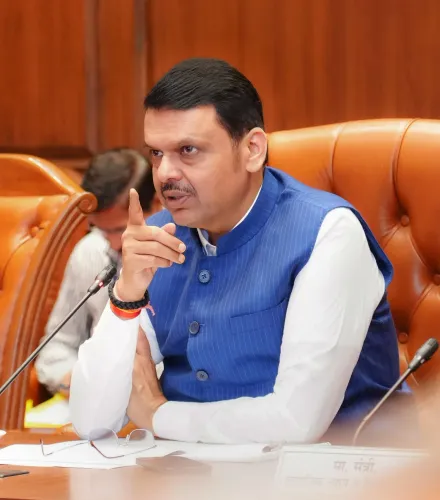
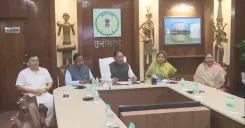
CM Devendra Fadnavis chaired a meeting at Mantralaya, Mumbai with Shramjivi Sanghatana 's delegation on 28 October 2026 .
A special campaign to clear all pending forest-rights claims will run until 15 December 2026 ; no eligible claim is to remain pending.
Tribal students are to receive fee-free education and scholarships; ashram shala vacancies and school infrastructure gaps must be addressed urgently.
The Water Supply Department is directed to set a time-bound schedule for piped water to every tribal home under Jal Jeevan Mission .
District-wise Aadhaar enrolment drives and restoration of birth-certificate powers to tehsildars were ordered for tribal and nomadic communities.
Shramjivi Sanghatana and Samarth Sanstha will be included in preparing the Viksit Bharat 2047 vision document and a separate tribal development blueprint.
Decades of unresolved grievances — land without legal title, schools without toilets, homes without tap water — landed squarely on the agenda of Maharashtra's Mantralaya on Wednesday, 28 October 2026, as Chief Minister Devendra Fadnavis chaired a high-level meeting with a delegation of Shramjivi Sanghatana, one of the state's most active tribal rights organisations. The outcome: a clutch of time-bound directives spanning education, forest rights, bonded-labour rehabilitation, Aadhaar enrolment, and drinking water — covering tribal communities across Maharashtra.
A special drive to clear forest-rights claims by December 2026
The single most concrete commitment out of the meeting is a special forest-rights claims campaign to be concluded by 15 December 2026. Under the Forest Rights Act, 2006, Scheduled Tribes and other traditional forest dwellers are entitled to individual and community rights over land they have cultivated for generations — but implementation has been patchy and slow across states including Maharashtra. CM Fadnavis directed that no eligible claim should remain pending, and that village-level committees must process all approved claims within the campaign window.
In Palghar district — home to one of Maharashtra's largest tribal concentrations — families have tilled land for generations without legal records to prove it. The government confirmed that the Revenue Department is already pursuing action to regularise such holdings. Fadnavis also directed authorities to prepare a rehabilitation plan for bonded-labour families freed in Thane, Palghar, Nashik, Pune, Raigad, and Ahmednagar districts.
Fadnavis directs fee-free schooling and ashram school vacancies to be filled fast
On education, the Chief Minister ordered immediate action to provide tribal students with fee-free schooling and adequate scholarships, and to fill vacant posts in ashram shalas — residential schools that serve tribal children in remote areas. District council schools in tribal zones are to be upgraded with classrooms, separate toilets for boys and girls, and sports facilities on an urgent basis.
Fadnavis also said the government would examine — and take a positive decision on — extending the right to free, compulsory education for tribal students up to the age of 18 years, beyond the current constitutional guarantee that runs to 14. The commitment signals a potential expansion of the Right to Education framework's effective scope for tribal Maharashtra.
Jal Jeevan Mission, Aadhaar gaps, and birth-certificate powers
The Jal Jeevan Mission, the Central government's flagship scheme to deliver tap water to every rural household, came into sharp focus. Fadnavis directed the Water Supply Department to fix a time-bound schedule to ensure piped water reaches every tribal home — an acknowledgement that enrolment targets on paper have not always translated to taps in kitchens.
On Aadhaar, the Chief Minister directed district-wise lists of tribal citizens without Aadhaar cards to be compiled and a time-bound enrolment campaign launched so every eligible person is covered. He also announced that the government would act positively on restoring to tehsildars the power to issue birth-registration certificates for tribal and Nomadic-Denotified community members — a bureaucratic correction that could unblock access to welfare entitlements for thousands.
Shramjivi Sanghatana and Samarth Sanstha to join Viksit Bharat 2047 process
Deputy Chief Minister Eknath Shinde, Minister Chandrasekhar Bawankule, and Minister Girish Mahajan were present at the meeting alongside other senior officials. Fadnavis announced that Shramjivi Sanghatana and Samarth Sanstha — a support organisation working with tribal communities — will be included in the process of preparing the state's contribution to the Viksit Bharat 2047 vision document, India's national framework for development goals by the centenary of independence. A separate development blueprint for tribal communities, incorporating suggestions from various organisations, will also be prepared.
The directives span at least six departments: Tribal Development, Revenue, School Education, Water Supply, Labour, and Home (for Aadhaar). Fadnavis ordered all concerned departments to prepare coordinated proposals and time-bound action plans without delay. The 15 December forest-rights deadline now becomes the first hard test of whether this meeting translates into movement on the ground — or joins the long list of promises that tribal Maharashtra has heard before.
Point of View
Imminent, and measurable, which makes it both a genuine commitment and a reputational risk if missed. Including civil-society organisations like Shramjivi Sanghatana in the Viksit Bharat process is a notable consultative gesture, though its substantive impact will depend on how their inputs are weighted against departmental inertia. With six districts named for bonded-labour rehabilitation and a potential extension of free education to age 18, the scope is ambitious — the test will be whether time-bound action plans are drafted and funded, or quietly deferred.
NationPress
28 Oct 2026
Frequently Asked Questions
What did CM Fadnavis announce for tribal forest rights in Maharashtra?
CM Fadnavis directed a special campaign to clear all pending forest-rights claims by 15 December 2026 , ensuring no eligible claim remains unresolved, in line with the Forest Rights Act 2006.
What is Shramjivi Sanghatana and why did it meet the Maharashtra CM?
Shramjivi Sanghatana is a tribal rights organisation in Maharashtra. Its delegation met CM Fadnavis at Mantralaya on 28 October 2026 to seek resolution of long-pending issues related to education, forest rights, rehabilitation, water supply, Aadhaar, and labour welfare for tribal communities.
How will tribal students in Maharashtra benefit from the October 2026 announcements?
CM Fadnavis ordered fee-free education and adequate scholarships for tribal students, urgent filling of vacancies in ashram shalas, and upgrading of district council schools with classrooms, toilets, and sports facilities. He also said the government would consider extending free compulsory education for tribal students up to age 18.
Which districts are covered for bonded-labour rehabilitation in Maharashtra?
CM Fadnavis directed preparation of rehabilitation plans for bonded-labour families freed in Thane, Palghar, Nashik, Pune, Raigad, and Ahmednagar districts.
What is the Viksit Bharat 2047 connection to Maharashtra's tribal policy?
The Maharashtra government will include Shramjivi Sanghatana and Samarth Sanstha in the process of preparing the Viksit Bharat 2047 vision document, and will incorporate suggestions from various organisations into a separate tribal development blueprint for the state.