CM Fadnavis Reaffirms Maratha Justice Pledge in Ahilyanagar
Synopsis
At a public event in Ahilyanagar on 31 May 2026, Maharashtra CM Devendra Fadnavis declared that delivering justice to the Maratha community remains his government's core stance, reaffirming a commitment that has defined state politics for over a decade amid ongoing Supreme Court scrutiny of reservation policy.
Key Takeaways
Maharashtra CM Devendra Fadnavis made the statement at Ahilyanagar on 31 May 2026 .
He declared in Marathi and Hindi that delivering justice to the Maratha community is his government's firm position.
In 2018 , the Fadnavis government had passed a bill granting Marathas 16 per cent reservation in education and jobs, later struck down by the Supreme Court.
The Supreme Court invalidated the quota for breaching the 50 per cent ceiling on total reservations.
OBC groups have consistently opposed any Maratha quota that could reduce their own reserved share.
Further Supreme Court hearings and potential legislative action in the Maharashtra Assembly remain key developments to watch.
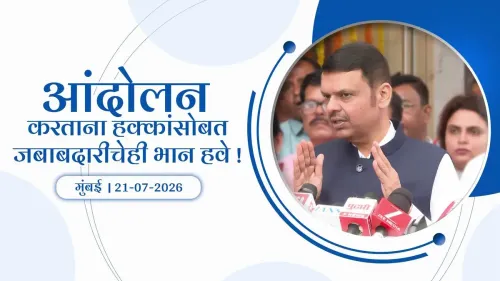
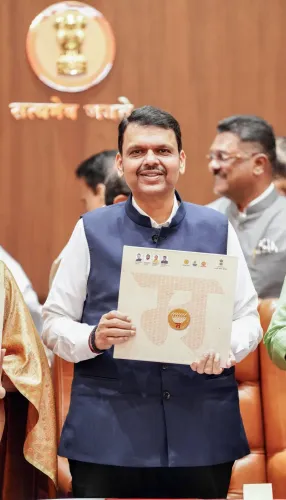
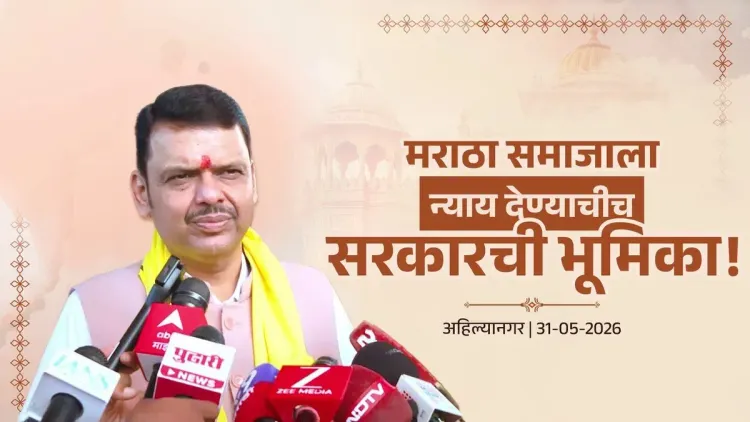
Maharashtra Chief Minister Devendra Fadnavis on Sunday, 31 May 2026, reaffirmed his government's commitment to delivering justice to the Maratha community, making the declaration at a public event in Ahilyanagar, western Maharashtra.
Speaking in both Marathi and Hindi, Fadnavis stated: 'मराठा समाजाला न्याय देणे हीच आमच्या सरकारची भूमिका राहिली आहे' — 'Delivering justice to the Maratha community has always been the position of our government.' The bilingual framing underscored the political weight the chief minister attaches to the issue.
Context
Ahilyanagar — the district formerly known as Ahmednagar — has been a recurring venue for political engagement with the Maratha community, which forms a significant demographic bloc across western Maharashtra. Fadnavis's visit and public statement signal continued high-level attention to Maratha grievances ahead of ongoing judicial scrutiny of reservation policy.
The Maratha community has pursued demands for education and employment quotas for over a decade, with agitations periodically intensifying across the state. The issue cuts across party lines but has become especially central to the BJP-led government's political positioning in Maharashtra.
Policy Backdrop
In 2018, under Fadnavis's first term as chief minister, the Maharashtra legislature passed a bill granting a 16 per cent reservation to Marathas in education and public employment. That legislation was subsequently challenged in court, with the Supreme Court of India ultimately striking it down on the grounds that it breached the constitutionally recognised 50 per cent ceiling on total reservations.
The ruling left the state government navigating competing pressures: meeting Maratha community expectations on one side, and the legal constraints on expanding the reservation framework on the other. OBC groups have also raised objections, fearing any new quota arrangement could dilute their own entitlements.
Stakeholders and Impact
The Maratha community is one of Maharashtra's largest social groups, with a presence concentrated in the agrarian belts of western and central Maharashtra — regions that include Ahilyanagar. Their electoral influence has shaped government formation and legislative priorities across successive administrations.
For the current Fadnavis government, publicly restating the justice commitment serves both a governance and a political function: it keeps the administration's intent on record while the matter remains sub judice. Community leaders and quota activists continue to watch for concrete legislative or administrative steps beyond symbolic affirmations.
What's Next
Further hearings on the validity of any Maratha reservation framework are expected before the Supreme Court, and observers will watch whether the Maharashtra government tables fresh legislative proposals or ordinance-based measures in the state assembly. Any new move will need to address the court's concerns about breaching the overall quota ceiling while satisfying community demands that have simmered for years.
Fadnavis's statement in Ahilyanagar keeps the government's political commitment visible at a time when the legal and legislative path forward remains contested — and the community's patience with process continues to be tested.
Point of View
A district with a dense Maratha presence, is deliberate constituency management ahead of any fresh judicial or legislative movement. The statement also pre-empts opposition attempts to paint the BJP-led government as indifferent to community demands. Until a constitutionally viable reservation mechanism is found, however, such affirmations risk being read as intent without instrument.
NationPress
14 Oct 2026
Frequently Asked Questions
What did CM Fadnavis say about Maratha reservation in Ahilyanagar?
CM Devendra Fadnavis stated on 31 May 2026 that delivering justice to the Maratha community has always been his government's core position, reaffirming the commitment at a public event in Ahilyanagar.
What is the current status of Maratha reservation in Maharashtra?
The Supreme Court struck down Maharashtra's 2018 law granting Marathas 16 per cent reservation, ruling it violated the constitutionally recognised 50 per cent ceiling on total quotas. The matter remains under judicial consideration.
Why was the Maratha reservation law struck down by the Supreme Court?
The Supreme Court held that the Maharashtra law breached the 50 per cent upper limit on reservations set by earlier constitutional jurisprudence, making the 16 per cent Maratha quota legally unsustainable.
Why is Ahilyanagar significant for Maratha politics?
Ahilyanagar, formerly Ahmednagar, is a district in western Maharashtra with a large Maratha population and has been a frequent site of community gatherings and political events related to the reservation issue.
What happens next in the Maratha quota case?
Further Supreme Court hearings on the validity of any Maratha reservation framework are expected, and the Maharashtra government may consider fresh legislative or ordinance-based measures that comply with the court's quota ceiling guidelines.