CM Fadnavis: Maratha interests won't come at OBC cost
Synopsis
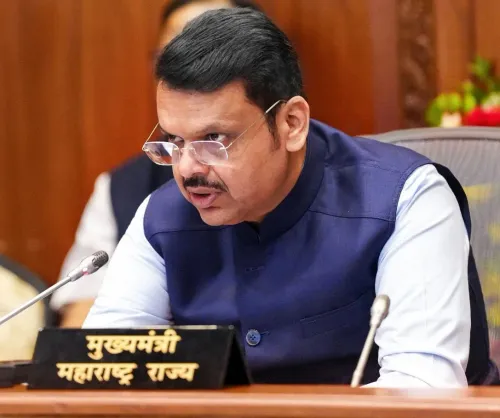
Maharashtra CM Devendra Fadnavis, speaking in Nagpur on 30 May 2026, pledged that decisions favouring the Maratha community on reservation will not come at the expense of OBC communities — a careful balancing act amid long-running quota tensions in the state.
Key Takeaways
Devendra Fadnavis made the statement on 30 May 2026 in Nagpur , Maharashtra's winter capital.
He assured that decisions in the interest of the Maratha community will not cause any injustice to the OBC community .
Maharashtra's 2018 Maratha reservation law was struck down by the Supreme Court in 2021 for breaching the 50 per cent reservation ceiling.
Competing reservation demands from Maratha and OBC groups remain a defining fault line in Maharashtra politics .
The bilingual Marathi-Hindi post signals outreach to both regional and national audiences on a politically sensitive issue.
Any new reservation formula will face scrutiny under the Supreme Court's binding 50 per cent cap on total reservations.
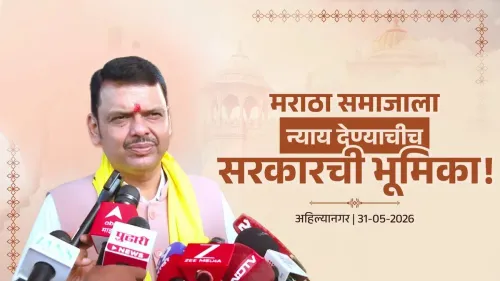
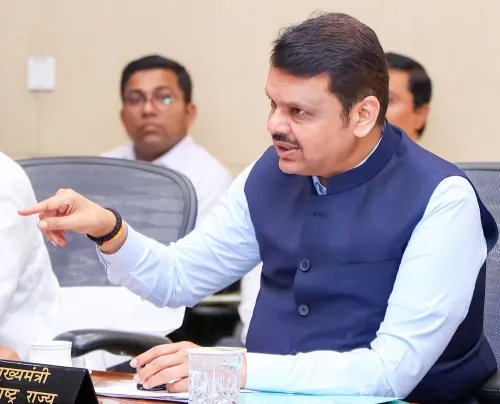
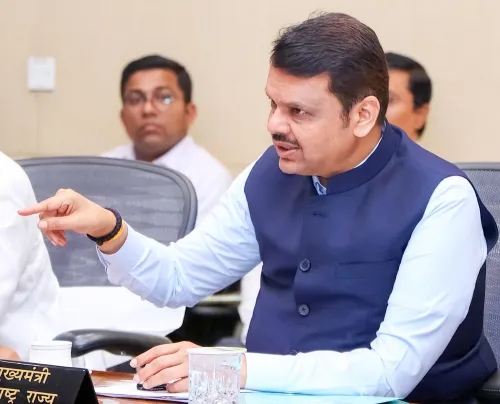
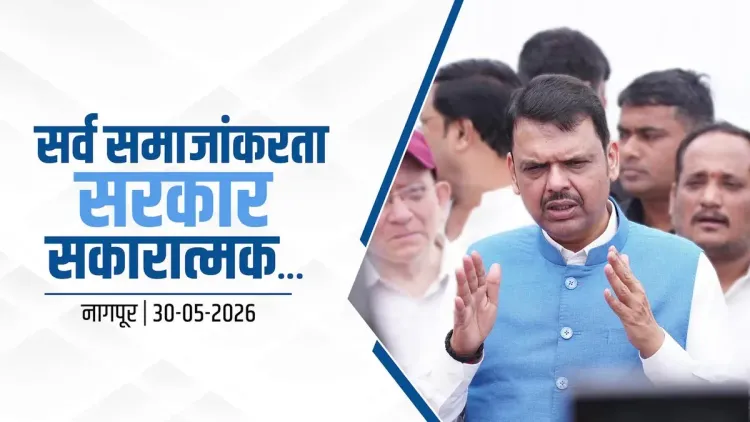
Maharashtra Chief Minister Devendra Fadnavis on Saturday, 30 May 2026, reaffirmed in Nagpur that decisions taken in the interest of the Maratha community will not result in any injustice to the OBC community, signalling the state government's intent to balance competing reservation demands.
Context
Posting in both Marathi and Hindi, Fadnavis stated: 'मराठा समाजाच्या हिताचे निर्णय घेत असताना ओबीसी समाजावर कोणत्याही प्रकारचा अन्याय होऊ देणार नाही' — 'While taking decisions in the interest of the Maratha community, no injustice of any kind will be allowed to be done to the OBC community.' The bilingual framing, addressed to audiences in both Maharashtra and Hindi-speaking regions, underscores the political sensitivity of the issue.
The statement was made from Nagpur, the winter capital of Maharashtra and the Chief Minister's home constituency, lending it additional political weight as a considered public commitment rather than an off-the-cuff remark.
Policy Backdrop
The Maratha reservation question has a long and contested legislative history in Maharashtra. In 2018, the state enacted a law granting reservation to the Maratha community under the Socially and Educationally Backward Classes category. The Supreme Court of India struck down this law in 2021, ruling that it breached the 50 per cent ceiling on reservations set by earlier constitutional precedent and risked encroaching on quotas already available to OBC communities.
Since that ruling, successive Maharashtra governments have faced pressure from Maratha quota activists — most prominently under the leadership of Manoj Jarange-Patil — who have staged large-scale agitations demanding constitutionally valid reservation. OBC groups, meanwhile, have consistently opposed any arrangement that might dilute their existing share of reserved seats in government jobs and educational institutions.
Stakeholders and Impact
The Maratha community constitutes a significant share of Maharashtra's population and has historically dominated state politics, agriculture, and cooperative institutions. The OBC bloc — comprising dozens of sub-communities — is equally influential electorally and has been vocal in resisting any expansion of the reservation pie that does not come from a new, separate quota category outside the existing framework.
Fadnavis's assurance is directed at both constituencies simultaneously: it offers Marathas the promise of forward movement on their long-pending demand while explicitly protecting OBC interests. For the BJP-led Mahayuti government, maintaining support across both groups is critical to electoral arithmetic in a state where caste arithmetic can decide outcomes in hundreds of assembly segments.
What's Next
Attention will now focus on whether the state government introduces fresh legislation or acts on the recommendations of any committee examining a revised reservation formula that can withstand judicial scrutiny. Any new quota proposal will almost certainly face a constitutional challenge in the Supreme Court, where the 50 per cent cap and creamy layer criteria remain binding constraints. The Chief Minister's statement sets a political benchmark: any solution must demonstrably protect OBC entitlements, or the government risks alienating a bloc it cannot afford to lose.
Point of View
Suggesting the government is managing expectations rather than signalling an imminent policy move. Coming from Nagpur, it carries the weight of a considered political commitment. The broader pattern — promise, litigation, political pressure, repeat — shows that durable resolution of Maharashtra's reservation tangle remains elusive so long as the Supreme Court's 50 per cent ceiling stands unmodified.
NationPress
14 Oct 2026
Frequently Asked Questions
What did CM Fadnavis say about Maratha and OBC reservation on 30 May 2026?
CM Devendra Fadnavis stated that while the government will take decisions in the interest of the Maratha community, it will not allow any injustice of any kind to be done to the OBC community.
Why was Maharashtra's Maratha reservation law struck down?
The Supreme Court struck down Maharashtra's 2018 Maratha reservation law in 2021 because it breached the constitutionally mandated 50 per cent ceiling on total reservations and risked encroaching on existing OBC quotas.
What is the current status of Maratha reservation in Maharashtra?
As of 2026, there is no valid Maratha-specific reservation in place following the Supreme Court's 2021 ruling. The state government has faced sustained pressure from community activists to find a constitutionally valid solution.
How does Maratha reservation affect OBC communities in Maharashtra?
OBC groups fear that any new Maratha quota carved out of the existing reservation pool would reduce their share of reserved seats in jobs and education, which is why CM Fadnavis's explicit assurance to OBCs is politically significant.
What happens next on Maratha reservation after Fadnavis's statement?
Observers will watch for fresh legislation or a committee report proposing a revised quota formula. Any new law is expected to face a Supreme Court challenge, where the 50 per cent cap remains the key legal hurdle.