Fadnavis orders district-wise campaigns to fix schools, health centres in Maharashtra
Synopsis
Maharashtra CM Devendra Fadnavis has ordered every district to run time-bound, multi-departmental campaigns to fix and upgrade schools, Ashram schools, Anganwadis, primary health centres, and ITIs — with District Collectors as campaign directors and pooled funding from CSR, DPC, and state schemes. It is the most structured state-wide institutional repair push Maharashtra has seen in recent years.
Key Takeaways
CM Devendra Fadnavis on 1 October 2026 directed all districts in Maharashtra to launch independent, time-bound campaigns for infrastructure repair and upgrades.
Institutions covered include schools , Ashram schools , Anganwadi centres , primary health centres , ITIs , and technical education institutes .
Each District Collector will serve as campaign Director, with Zilla Parishad CEO and urban local body heads as Co-Directors.
Funds will be pooled from District Planning Committee allocations, CSR , public contributions, and the Hill Area Development Programme .
Action plans must span six months , one year , and three to four years , with Government Resolutions to follow from the Finance Department.
Anganwadi centres in rented buildings and low-occupancy Social Justice Department hostels will be reviewed and restructured.
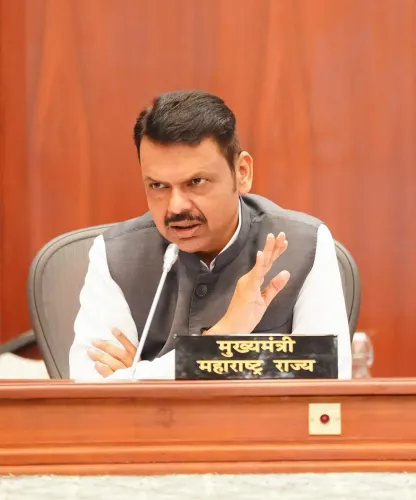
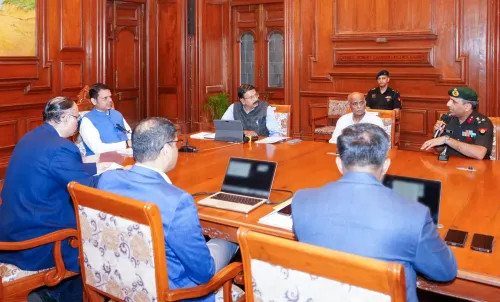
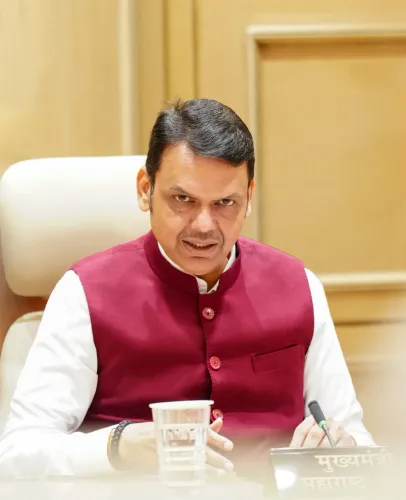
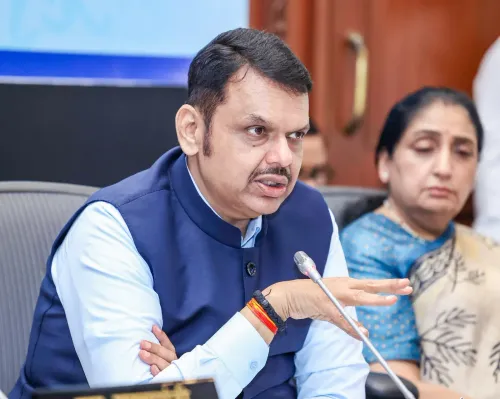
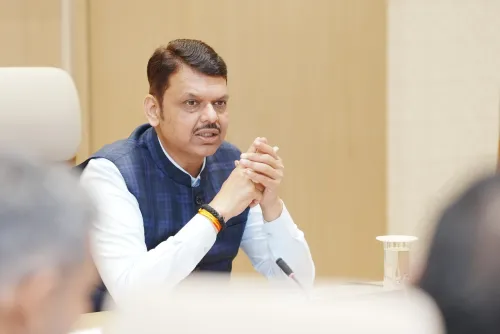
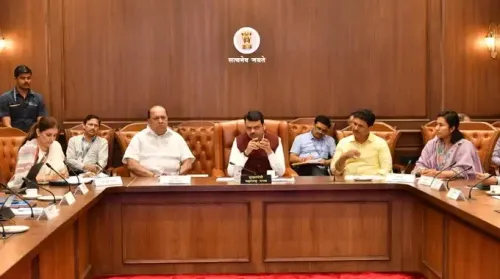
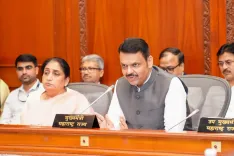
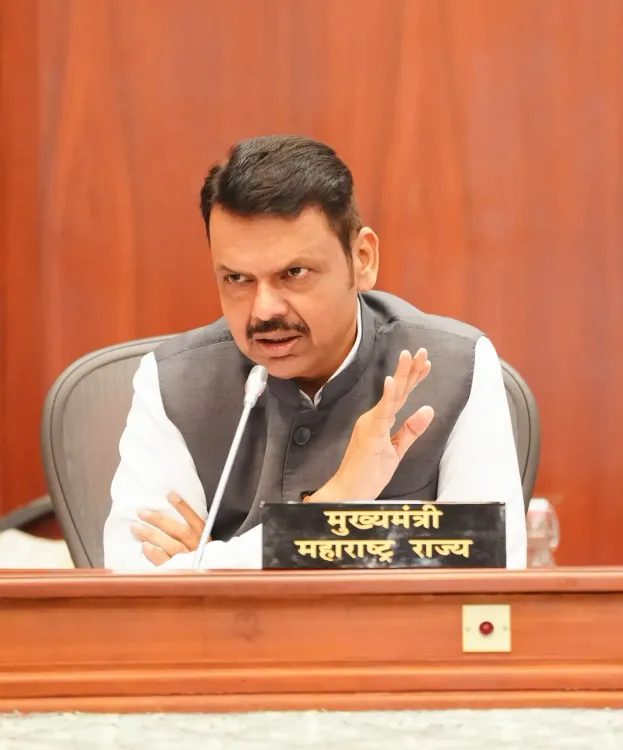
Maharashtra Chief Minister Devendra Fadnavis on Thursday, 1 October 2026, directed every district in the state to launch an independent, time-bound campaign covering the maintenance, repair, and infrastructure improvement of schools, residential schools, Ashram schools, Anganwadi centres, primary health centres and sub-centres, ITIs, and technical education institutes. The directive came during a high-level meeting on the upkeep of these institutions across Maharashtra.
Key Directives from the Chief Minister
Chief Minister Fadnavis made clear that funding will not be a constraint. 'Funds will not be allowed to fall short for making necessary facilities available across all primary health centres and educational institutions,' he stated. He called for both short-term and long-term action plans — covering periods of six months, one year, and three to four years — to be prepared at the district level.
The campaign is envisioned as a multi-departmental effort. Officers from the education, health, women and child development, tribal development, social welfare, and technical education departments are to be included at the district level. 'Giving top priority to the improvement of foundational institutions in the education and health sectors and using available resources effectively will bring positive transformation to every district,' Fadnavis said.
Governance Structure and Accountability
A clear command structure has been outlined for the campaign. The District Collector will serve as Director, while the Chief Executive Officer of the Zilla Parishad and the Chief Officer or Commissioner of the respective urban local body will function as Co-Directors. Fadnavis stressed that regional-level officers must be delegated necessary powers and held accountable, with senior officers tasked to monitor progress and identify shortcomings proactively.
Funding Mechanism and Infrastructure Upgrades
On financing, Fadnavis directed that funds from the District Planning Committee, various government schemes, CSR funds, public contributions, and the Hill Area Development Programme be pooled and utilised for institutional improvement. He also suggested that modern modular construction options be considered for upgrading primary health centres. The Finance Department and concerned Secretaries have been directed to issue detailed Government Resolutions (GRs) on decentralised workflows and the utilisation and prioritisation of District Planning Committee funds.
Hostels, Anganwadis and Social Justice Facilities
Fadnavis ordered a comprehensive review of hostels, Anganwadi centres, and Ashram schools operating out of rented buildings to assess whether students are receiving essential facilities. 'Actions regarding students' residence, meals, and other basic amenities must be taken with sensitivity,' he said, adding that new lease models should be explored for setting up permanent infrastructure.
Responding to a demand by Women and Child Development Minister Aditi Tatkare, the Chief Minister instructed officials to prepare a proposal for starting Anganwadi centres in municipal corporation schools. He also directed positive action on a demand by Social Justice Minister Sanjay Shirsat to shut down Social Justice Department hostels that are nominally operational, have low student strength, and lack basic amenities.
The initiative signals a push to convert Maharashtra's institutional infrastructure from a chronic maintenance backlog into a structured, district-owned accountability framework — with measurable timelines and pooled financing for the first time.
Point of View
Health sub-centres, Anganwadis — has deteriorated to the point where a Chief Minister-level intervention with a named command structure is considered necessary. Pooling DPC funds, CSR money, and public contributions signals that conventional departmental budgets are inadequate on their own. The real test will be whether the GRs that follow actually devolve financial powers to district officers, or whether accountability remains paper-thin as it has in past campaigns. Fadnavis's personal chairing of the meeting raises the political stakes — but political attention alone has historically not been enough to sustain institutional maintenance beyond the initial announcement.
NationPress
2 Oct 2026
Frequently Asked Questions
What did Maharashtra CM Fadnavis announce on 1 October 2026?
CM Devendra Fadnavis directed every district in Maharashtra to launch an independent, time-bound campaign to maintain, repair, and upgrade buildings housing schools, Ashram schools, Anganwadi centres, primary health centres, ITIs, and technical education institutes. The directive followed a state-level review meeting on institutional upkeep.
Who will lead these district-level campaigns?
The District Collector will serve as Director of the campaign in each district. The Chief Executive Officer of the Zilla Parishad and the Chief Officer or Commissioner of the respective urban local body will function as Co-Directors, with regional officers to be given delegated powers and fixed accountability.
How will these campaigns be funded?
Funding will be pooled from multiple sources including District Planning Committee allocations, government scheme funds, CSR contributions, public donations, and the Hill Area Development Programme. The Finance Department has been directed to issue Government Resolutions on the utilisation and prioritisation of these funds.
What action is planned for Anganwadi centres and hostels in rented buildings?
Fadnavis ordered a review of Anganwadi centres, hostels, and Ashram schools operating in rented premises to check whether students are receiving essential facilities. New lease models will be explored for permanent infrastructure, and low-occupancy Social Justice Department hostels lacking basic amenities are to be identified for closure.
What is the timeline for these action plans?
Districts have been asked to prepare action plans spanning three timeframes: six months, one year, and three to four years. The Finance Department and concerned Secretaries will issue detailed Government Resolutions to guide decentralised workflows and fund utilisation.