CM Fadnavis pays tribute to P. L. Deshpande on birth anniversary
Synopsis
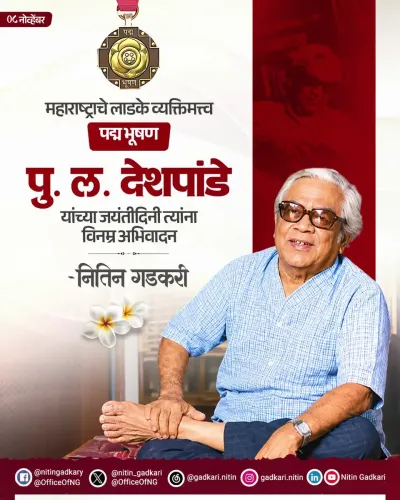
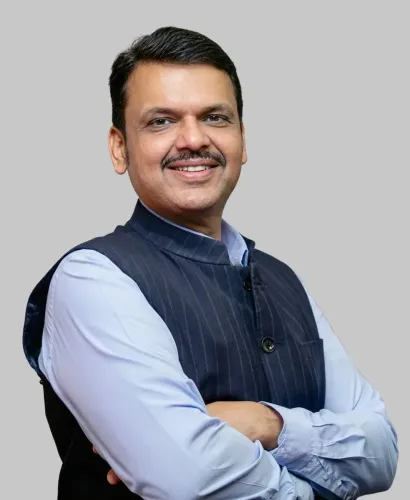
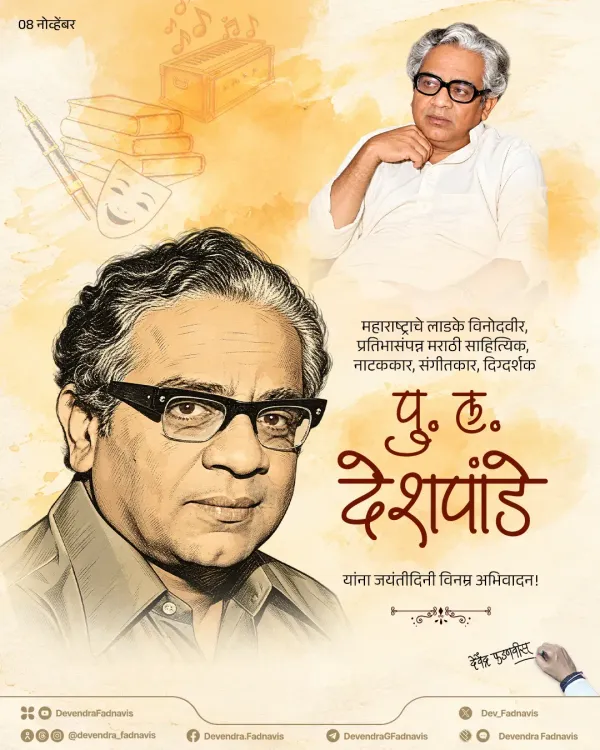
Maharashtra Chief Minister Devendra Fadnavis paid tribute to iconic Marathi polymath P. L. Deshpande on his birth anniversary, calling him Maharashtra's beloved master of humour whose timeless literature and wit continue to enrich generations.
Key Takeaways
CM Devendra Fadnavis posted a tribute to P.
Deshpande on 8 November 2026 , Deshpande's birth anniversary.
Deshpande was born on 8 November 1919 and was a writer, actor, musician, composer, playwright, and director.
He was awarded the Padma Shri , one of India's highest civilian honours, for his contribution to Marathi culture.
His celebrated works include Vyakti ani Valli and Batatyachi Chal , both enduring classics of Marathi literature.
Deshpande passed away in 2000 , but his cultural legacy remains a cornerstone of Maharashtra's literary and performing arts identity.
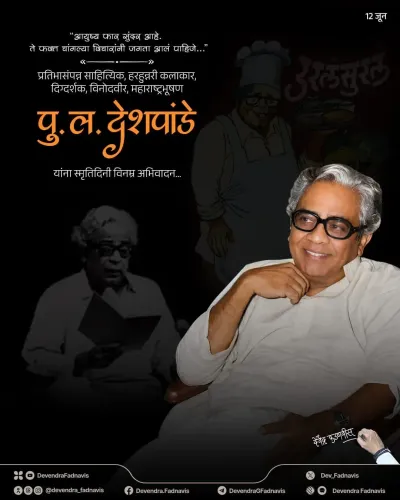
A wit so sharp it could cut through any pretence, a voice so warm it could fill any room — Maharashtra Chief Minister Devendra Fadnavis paused on Sunday, 8 November 2026 to honour the man who gave Marathi culture its most beloved modern voice: Purushottam Laxman Deshpande, popularly known as Pu. La., on his birth anniversary.
Posting on X in both English and Marathi, Fadnavis called Deshpande 'महाराष्ट्राचे लाडके विनोदवीर' ('Maharashtra's beloved master of humour') and saluted his genius as a writer, actor, musician, and director. 'His timeless literature, sharp wit, and remarkable contribution to Marathi culture continue to enrich generations,' the Chief Minister wrote.Who was Pu. La. Deshpande — and why Maharashtra never stopped loving him
Born on 8 November 1919, P. L. Deshpande became arguably the most complete figure in 20th-century Marathi cultural life. He was a novelist, playwright, actor, musician, composer, screenwriter, and director — rarely does one career span that terrain with equal mastery in each. His sketch collection Vyakti ani Valli ('Persons and Personalities') and the celebrated Batatyachi Chal remain staples of Marathi households across generations.
The Government of India recognised his contribution with the Padma Shri, one of the nation's highest civilian honours. Deshpande passed away in 2000, but his recordings, essays, plays, and films have ensured a cultural presence that shows no sign of fading.
Maharashtra's tradition of honouring its literary giants
The tribute from Fadnavis sits within a well-established tradition. Across party lines, Maharashtra's governments have consistently marked the birth and death anniversaries of the state's writers, playwrights, and performers through official statements, commemorative events, and literary festivals. For a state with a fiercely proud Marathi-speaking population, such acknowledgements carry both cultural and political weight.
Pu. La.'s birth anniversary on 8 November each year draws commemorations from cultural organisations, theatre groups, and literary societies across Mumbai, Pune, and the wider Marathi-speaking diaspora — a reminder that great art outlasts its author by decades, and sometimes centuries.
In a political landscape often defined by noise, Pu. La.'s enduring legacy — built entirely on craft, humour, and humanity — is itself a kind of quiet rebuke to the age.
Point of View
Acknowledging universally beloved figures like Pu. La. carries a unifying value that more divisive political messaging cannot replicate. The longevity of Deshpande's hold on the Marathi imagination also underscores how deeply literature and performance arts remain embedded in the state's political culture.
NationPress
8 Nov 2026
Frequently Asked Questions
Who was P. L. Deshpande?
P. L. Deshpande, born on 8 November 1919, was a legendary Marathi polymath — writer, actor, musician, playwright, composer, and director. He was awarded the Padma Shri and is considered one of the greatest figures in 20th-century Marathi cultural life. He passed away in 2000.
Why is 8 November significant for Marathi culture?
8 November is the birth anniversary of Pu. La. Deshpande, one of Maharashtra's most beloved literary and performing arts icons. The date is marked each year by cultural organisations, theatre groups, and literary societies across Maharashtra.
What are P. L. Deshpande's most famous works?
Among his most celebrated works are 'Vyakti ani Valli' (a sketch collection of memorable personalities) and 'Batatyachi Chal'. His writings, plays, and recordings remain popular across generations of Marathi readers and audiences.
What did CM Devendra Fadnavis say about Pu. La. Deshpande?
Chief Minister Devendra Fadnavis called Deshpande 'Maharashtra's beloved master of humour' and praised his timeless literature, sharp wit, and remarkable contribution to Marathi culture, saying his work continues to enrich generations.
What award did P. L. Deshpande receive from the Government of India?
P. L. Deshpande was awarded the Padma Shri, one of India's highest civilian honours, in recognition of his outstanding contribution to Marathi language, literature, and performing arts.