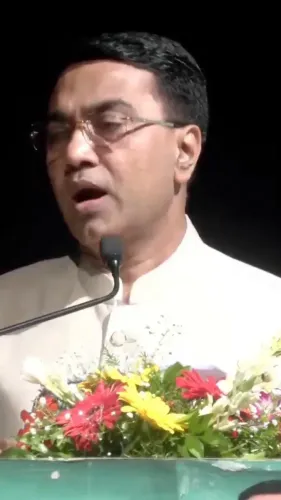
CM Sawant Spotlights Bicholim Women Farmers' Collective Push
Synopsis
Goa CM Pramod Sawant on November 8, 2026 spotlighted women farmers in Bicholim who have embraced collective, modern agriculture — growing paddy in the monsoon and vegetables after — backed by the Agriculture Department and state schemes, advancing the Swayampurna Goa vision.
Key Takeaways
Goa CM Pramod Sawant highlighted the collective farming work of women cultivators in Bicholim taluka, North Goa on November 8, 2026 .
Women farmers grow paddy during the monsoon and rotate to seasonal crops — alsande, brinjal, tomato, and bhendi — after the rains.
The efforts are supported by the Goa Agriculture Department and various government schemes targeting women self-help groups.
Sawant linked the initiative to Swayampurna Goa , the state's vision for self-reliance through local empowerment.
The model reflects a broader national push to make women central — not peripheral — to India's smallholder farm economy.
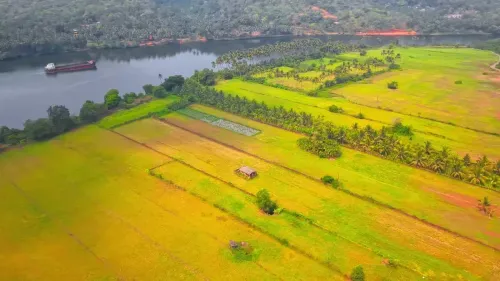
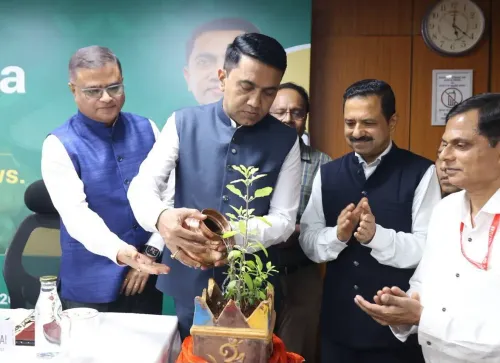
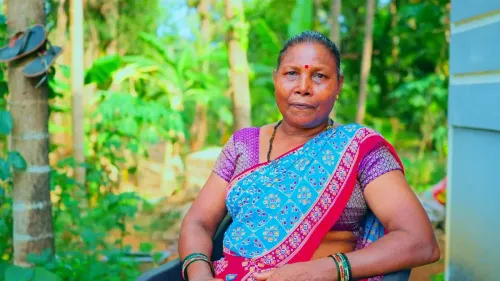
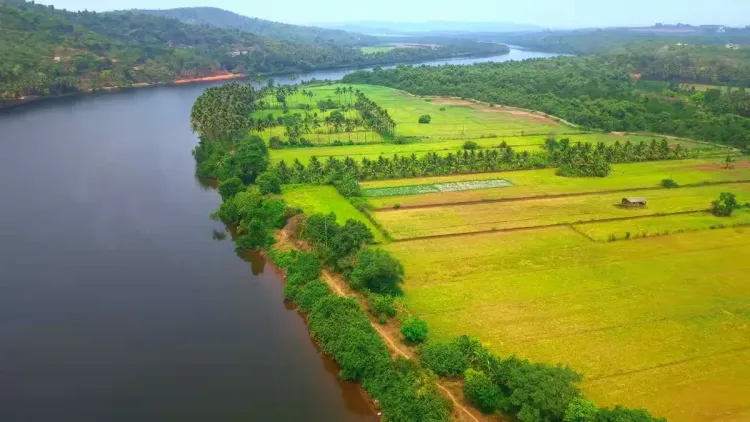
In the paddy fields of Bicholim, a quiet revolution is taking root — one led not by policy documents, but by women who decided to farm together. Goa Chief Minister Pramod Sawant on Sunday, November 8, 2026, highlighted the collective farming efforts of women cultivators in the North Goa taluka, crediting the state's Agriculture Department and government schemes for enabling a shift toward modern, team-based agricultural practices.
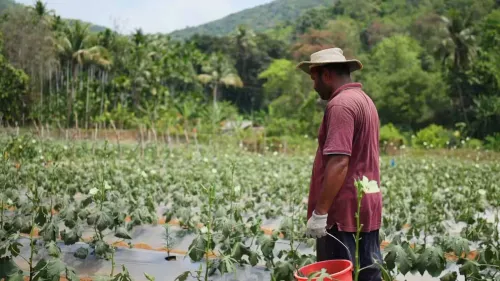
Sawant described how these women cultivate paddy during the monsoon season, then pivot seamlessly to a succession of seasonal crops — alsande (cowpea), brinjal, tomato, and bhendi (okra) — once the rains withdraw. It is a disciplined, year-round rhythm that mirrors exactly the kind of diversified, resilient smallholder farming that agricultural planners have long championed but rarely seen take hold at scale.
Bicholim's Fields and the Case for Collective Agriculture
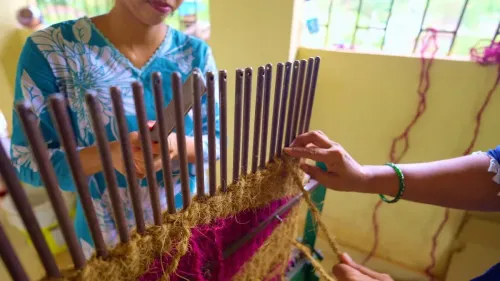
Bicholim taluka has long carried weight in North Goa's agricultural map. Collective farming among women self-help groups has been a focus of the Goa Agriculture Department for several years, with state schemes channelling support toward inputs, training, and market linkages for women cultivators. What Sawant's post underscores is that the model is producing visible, on-the-ground results — fields that cycle through crops, households that earn through the lean post-monsoon months, and women who are no longer peripheral to the farm economy but central to it. The Chief Minister framed their effort as integral to Swayampurna Goa, the state's flagship vision for local self-reliance through empowered communities. Under that vision, gender-inclusive rural development is not a footnote — it is a declared pillar. Women-led agriculture, by that logic, is both a livelihood story and a governance outcome.A Broader Pattern Reaching Goa's Villages
Across India, state governments have invested in women's agricultural collectives as a proven lever for rural productivity and household income stability. Goa's approach — routing support through the Agriculture Department and aligning outcomes with a state-level self-reliance vision — fits a playbook that has demonstrated results elsewhere. The crops Sawant listed are not coincidental: alsande, brinjal, tomato, and bhendi are fast-cycling, high-demand vegetables well suited to small plots and collective marketing. The pointed public acknowledgement from the Chief Minister also signals continued administrative attention to women farmers as a constituency worth investing in — and worth measuring. The harvest from Bicholim's fields is real. Whether the schemes sustaining it scale further across Goa's talukas is the question that will define the next chapter of this story.Point of View
Not showcase. The real test is whether departmental support scales consistently across all of Goa's talukas or remains concentrated in visible pockets like Bicholim.
NationPress
8 Nov 2026
Frequently Asked Questions
What is Swayampurna Goa?
Swayampurna Goa is the Goa state government's vision for self-reliance, promoting local economic empowerment through initiatives including collective farming, women's self-help groups, and rural livelihood schemes.
Where is Bicholim and why is it significant for farming?
Bicholim is a taluka in North Goa with notable agricultural activity. It has been a focus area for the state Agriculture Department's efforts to support women farmers and promote collective farming practices.
What crops do women farmers in Bicholim grow?
Women farmers in Bicholim grow paddy during the monsoon season and then cultivate seasonal vegetables including alsande (cowpea), brinjal, tomato, and bhendi (okra) after the rains.
How is the Goa government supporting women farmers?
The Goa Agriculture Department has channelled support to women cultivators through various government schemes, focusing on collective and modern farming practices to improve livelihoods.
What did CM Pramod Sawant say about women farmers in Goa?
CM Pramod Sawant on November 8, 2026 stated that women farmers in Bicholim are embracing modern, team-based farming backed by the Agriculture Department and government schemes, calling their efforts exemplary and central to the Swayampurna Goa vision.