CM Sawant Backs Marigold Farming to Cut Goa's Festive Flower Imports
Synopsis
Goa CM Pramod Sawant highlights a government-backed marigold cultivation drive under the Swayampurna Goa scheme, distributing saplings to local farmers to cut dependence on imported flowers during Dussehra and Diwali, while creating rural income opportunities.
Key Takeaways
Goa CM Pramod Sawant announced rising marigold cultivation across the state on October 19, 2026 .
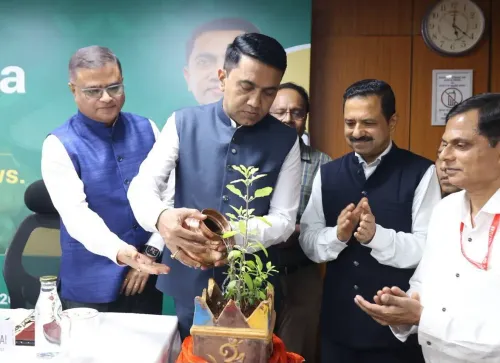
The Government of Goa is distributing saplings and seedlings directly to local farmers to boost floriculture.
The initiative targets reduced dependence on flowers imported from outside Goa during Dussehra and Diwali .
The programme operates under the Swayampurna Goa self-sufficiency campaign, which links agricultural inputs to rural income creation.
Goa's approach mirrors a broader Indian trend of state-level drives tying local crop cultivation to festival season demand cycles.
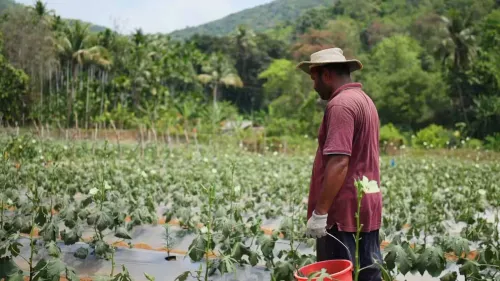
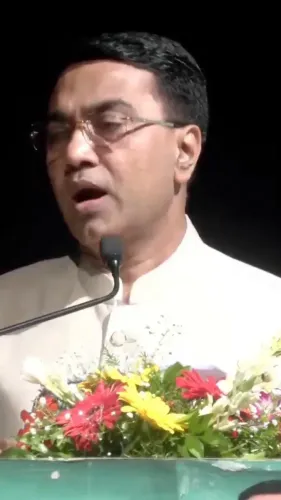
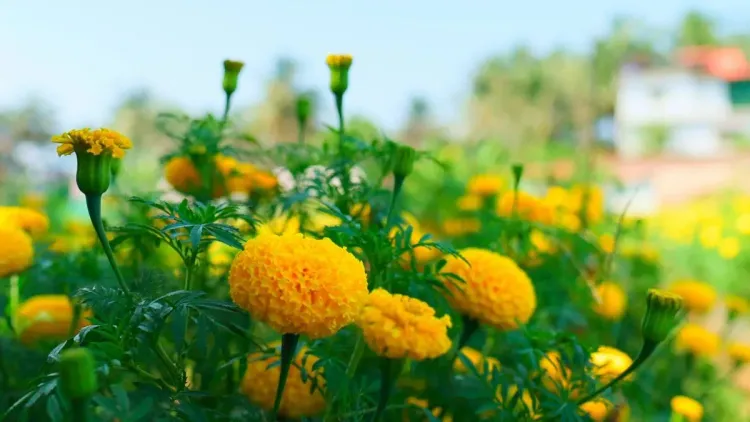
Goa's festival garlands may soon smell a little more local. Goa Chief Minister Pramod Sawant announced on Monday, October 19, 2026, that marigold cultivation is expanding across the state, backed by a government push to distribute saplings and seedlings directly to farmers — a move aimed at slashing the state's dependence on flowers shipped in from outside during Dussehra and Diwali.
Saplings at the Doorstep, Flowers in the Fields
The intervention is straightforward in design but pointed in intent: the Government of Goa supplies planting material to local farmers, those farmers grow marigolds at scale, and Goa's festive markets get stocked from within the state rather than from outside. CM Sawant framed it as both an agricultural and a cultural win — 'Growing locally, celebrating sustainably,' in his own words.
The marigold, ubiquitous in Indian festival décor, is typically imported by Goa from neighbouring states ahead of the festive calendar. Every truck of flowers that arrives from outside represents both a cost and a missed income opportunity for Goa's own farming community. Reversing that flow is the core logic here.
Swayampurna Goa: Self-Reliance as State Policy
The floriculture push sits squarely under the Swayampurna Goa umbrella — the state government's flagship self-sufficiency campaign that has steadily expanded from food crops into horticulture and allied sectors. The scheme's architecture relies on government-supplied agricultural inputs as the entry point, lowering the financial barrier for small farmers to take up new crops.
Goa is not alone in this thinking. Across India, state governments have leaned into local cultivation drives tied to festival demand cycles, recognising that the festive economy creates a reliable, time-bound market that small growers can plan around. What Goa adds is the explicit branding of this transition — linking a farming programme to a cultural identity around sustainability.
What Rural Farmers Stand to Gain
For Goa's floriculture sector, the opportunity is real and seasonal. Marigold demand spikes sharply in October–November, the precise window Sawant is targeting. Farmers who receive government seedlings and successfully bring a harvest to market in this window can earn meaningfully within a short crop cycle — making it a relatively low-risk entry point into commercial horticulture.
The expansion of marigold acreage and whether new high-yield varieties enter the state's distribution pipeline are the details to watch as the programme matures. The ambition is clear. The ground-level scale will tell the fuller story.
From a flower brought in by the truckload to one grown in Goa's own soil — if the programme delivers, the state's next Diwali could mark more than a festival.
Point of View
Tangible agricultural policy win that rural constituents can literally see in their fields. Anchoring it under the Swayampurna Goa brand also extends the scheme's political shelf life beyond food crops, signalling that self-reliance is a whole-economy agenda rather than a narrow subsidy programme. More broadly, the initiative reflects a deepening pattern across BJP-governed states of using festival-linked economics to simultaneously deliver farmer welfare and reinforce cultural identity politics. The real test will be whether sapling distribution translates into sustained acreage expansion or remains a seasonal headline.
NationPress
19 Oct 2026
Frequently Asked Questions
What is the Swayampurna Goa scheme?
Swayampurna Goa is a state government campaign promoting self-sufficiency in Goa by boosting local farming and reducing dependence on goods imported from other states. It covers multiple agricultural sectors, including horticulture.
Why is the Goa government promoting marigold farming?
Goa typically imports large quantities of marigold flowers from outside the state for festivals like Dussehra and Diwali. The government is distributing saplings to local farmers to grow these flowers locally, cutting import dependence and creating new rural income.
How is the Goa government supporting marigold cultivation?
The Government of Goa is distributing saplings and seedlings directly to farmers, lowering the barrier for small growers to take up marigold cultivation commercially.
What are the benefits of local flower cultivation for Goa farmers?
Farmers who grow marigolds locally can supply the state's festive market, earning income within a short crop cycle during the high-demand October–November festival season, without the costs faced by buyers importing from other states.
Is Goa's marigold farming drive unique in India?
Not entirely — several Indian states have run local cultivation drives tied to festival demand cycles. Goa's approach is distinctive in its explicit branding under the Swayampurna Goa self-reliance mission and its direct government-to-farmer input distribution model.