CM Sawant Launches Swayampurna Goa Agri Initiative
Synopsis
Goa Chief Minister Pramod Sawant launched the Swayampurna Goa and Vocal for Local initiative at ICAR on August 14, 2026, anchoring a 90-day push on organic farming, GI-tagged produce, agri-entrepreneurship, and market linkages under the state's Amrit Kaal Agriculture Policy.
Key Takeaways
Swayampurna Goa and Vocal for Local initiative launched by CM Pramod Sawant on August 14, 2026 at ICAR, Goa .
The initiative runs for 90 days , covering organic agriculture, GI-tagged produce, agri-entrepreneurship, and market linkages.
Backed by Goa's Amrit Kaal Agriculture Policy , focused on local production and self-sufficiency.
ICAR recognised for preserving Goa's indigenous rice varieties and supporting agricultural research.
The programme aligns with India's national Vocal for Local and Atmanirbhar Bharat framework launched in 2020 .
An exhibition showcasing farmer opportunities and agri-innovations was held alongside the launch.
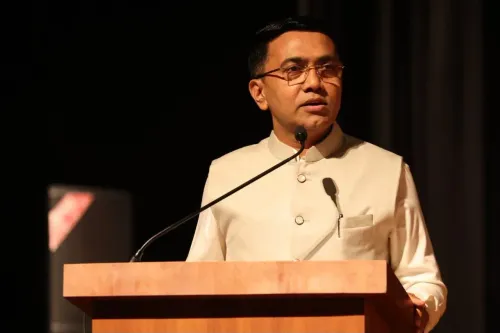
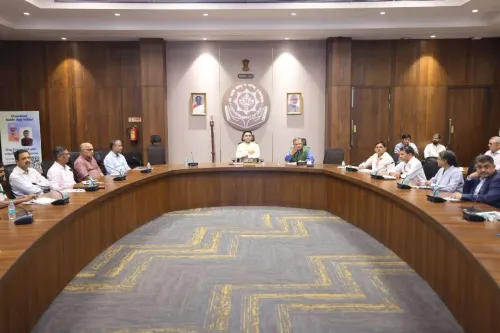
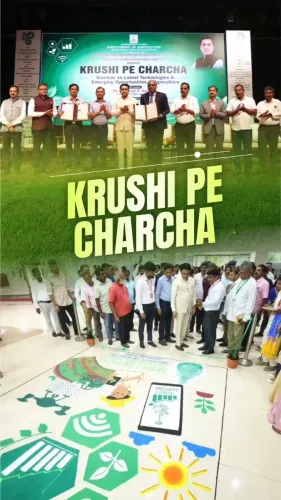
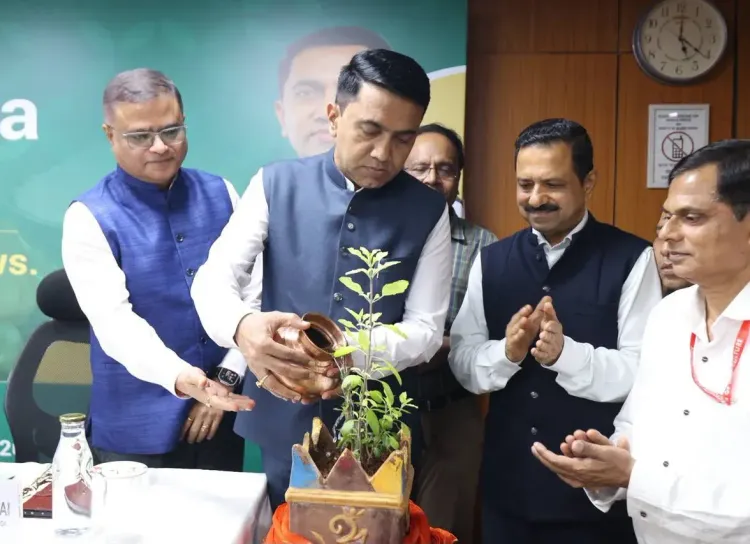
A hall named after India's father of the Green Revolution became the launchpad for Goa's next agricultural ambition. Goa Chief Minister Pramod Sawant on Friday, August 14, 2026, launched the Swayampurna Goa and Vocal for Local initiative at ICAR's Dr. M. S. Swaminathan Hall, Goa — a 90-day sprint designed to push the state's farmers and agri-entrepreneurs toward self-sufficiency, indigenous produce, and stronger markets.
What the 90-Day Push Covers
The initiative, driven by the Department of Agriculture, Goa, is not a single-point programme. Over the next 90 days, it targets five interlocking areas: integrated and organic agriculture, local farm products, GI-tagged produce, agri-entrepreneurship, and market linkages. An accompanying exhibition at the venue showcased innovations and opportunities tailored specifically for Goan farmers — making the launch a working event, not just a ribbon-cutting.
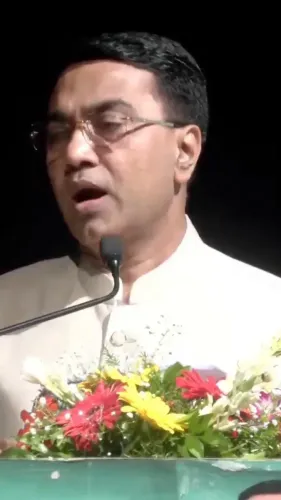
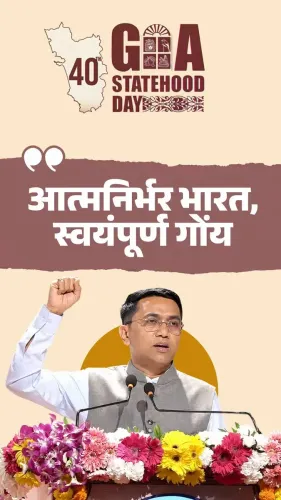
CM Sawant's framing was deliberate: 'Grow Local, Make Local, Buy Local and Sell Local' — a four-part mantra that mirrors the national Vocal for Local campaign, first amplified under the Atmanirbhar Bharat Abhiyan in 2020, but now routed through Goa's own policy architecture.
Amrit Kaal Agriculture Policy and ICAR's Role
Underpinning the initiative is the Amrit Kaal Agriculture Policy, Goa's framework for increasing local production and moving the state toward greater food and agricultural self-sufficiency. Sawant specifically acknowledged ICAR — the Indian Council of Agricultural Research — for its work in preserving Goa's indigenous rice varieties and supporting agricultural research, signalling that the state intends to lean on institutional science, not just political messaging, to deliver results.
The choice of venue carries weight. The hall honours Dr. M. S. Swaminathan, the agricultural scientist whose high-yield variety research helped avert famine across India in the 1960s. Launching a local-produce push in his name is a pointed statement about the lineage Goa is claiming for this effort.
Goa's Bet on GI Tags and Organic Farming
Goa's agricultural identity is niche but distinct — from its indigenous rice strains to coastal produce with genuine geographical character. GI tagging has emerged nationally as a tool to protect and monetise such uniqueness, with momentum building since the Paramparagat Krishi Vikas Yojana expanded organic farming support from 2015 onwards. The Swayampurna Goa initiative plugs directly into that national pipeline, giving local farmers a structured 90-day window to demonstrate, connect, and commercialise.
The question now is execution. Ninety days is a tight runway — enough to build visibility and early market links, but the deeper test will be whether organic adoption and GI-backed supply chains outlast the campaign calendar.
Point of View
CM Sawant is positioning the initiative as policy-backed rather than purely political. The 90-day window is strategically compact — visible enough to generate momentum before it can be forgotten, but tight enough that delivery gaps will surface quickly. For a small coastal state with a distinct agri-identity, GI tagging and indigenous variety preservation could be genuine economic levers — if institutional follow-through matches the launch energy.
NationPress
29 Sept 2026
Frequently Asked Questions
What is the Swayampurna Goa initiative?
Swayampurna Goa is a state agriculture initiative launched by Goa CM Pramod Sawant on August 14, 2026, aimed at promoting local farming, indigenous produce, GI-tagged goods, organic agriculture, agri-entrepreneurship, and stronger market linkages over a focused 90-day period.
What does Vocal for Local mean in the Goa agriculture context?
In the Goa context, Vocal for Local means encouraging farmers, entrepreneurs, and consumers to grow, produce, buy, and sell locally sourced agricultural goods, reducing dependence on imports and strengthening the state's rural economy.
What is the Amrit Kaal Agriculture Policy of Goa?
The Amrit Kaal Agriculture Policy is the Goa government's framework for strengthening the agriculture sector, increasing local production, and moving the state toward greater self-sufficiency, under which the Swayampurna Goa initiative operates.
What role does ICAR play in Goa's agriculture?
ICAR, the Indian Council of Agricultural Research, supports Goa's agriculture through research and innovation, and has specifically worked on preserving Goa's indigenous rice varieties — an effort CM Sawant publicly acknowledged at the launch.
What are GI-tagged products in Goa?
GI-tagged products in Goa are agricultural or artisanal goods that carry a Geographical Indication tag, certifying their origin and unique character tied to the Goan region, which the Swayampurna Goa initiative aims to promote and commercialise.