CM Sawant Marks Rashtriya Poshan Maah at Aangan Ka Utsav
Synopsis
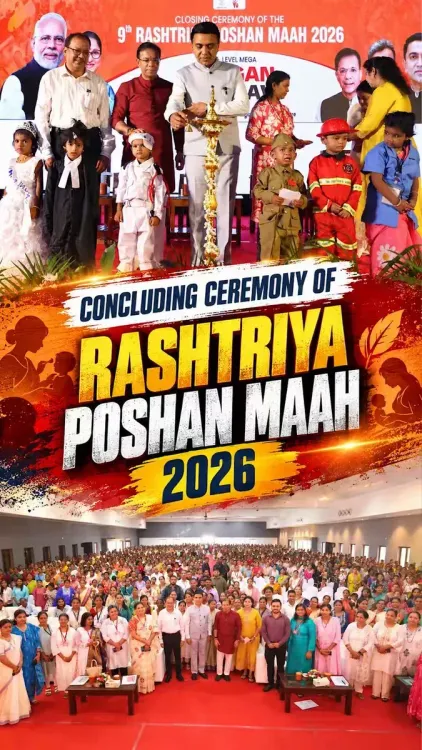
Goa Chief Minister Pramod Sawant observed Rashtriya Poshan Maah 2026 at an Aangan Ka Utsav community event, pledging nutrition support for children, healthier outcomes for mothers, and empowerment for women — anchored in the state's Swayampurna Goa development vision.
Key Takeaways
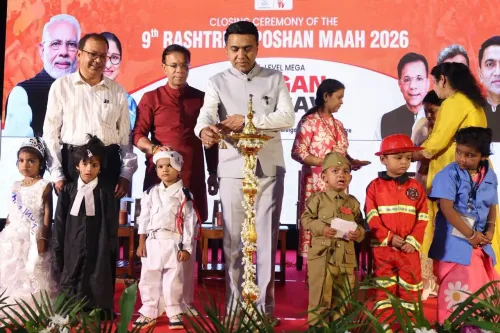
Rashtriya Poshan Maah 2026 was marked in Goa on October 12, 2026 at a community event called Aangan Ka Utsav .
CM Pramod Sawant reaffirmed the state's commitment to healthier mothers, well-nourished children, and empowered women .
The event falls under the Swayampurna Goa flagship vision — the state's self-reliance and holistic village-development framework.
The Aangan Ka Utsav format brings nutrition awareness into open community spaces, activating Anganwadi networks and frontline health workers.
The three-point pledge — 'Poshan for every child.
Empowerment for every woman.
A healthier Swayampurna Goa.' — frames nutrition as a whole-of-government priority.
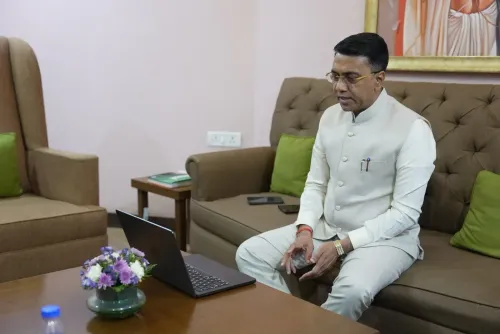
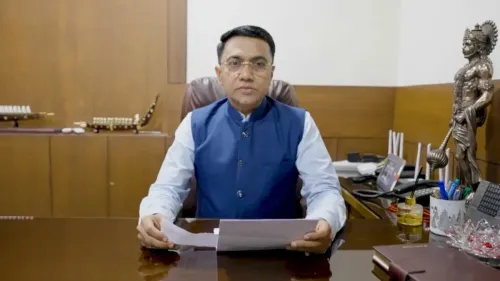
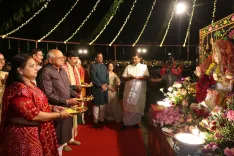
At a grassroots celebration called Aangan Ka Utsav, Goa Chief Minister Pramod Sawant on Monday, October 12, 2026 marked Rashtriya Poshan Maah 2026 — reaffirming the state's push to improve maternal health, child nutrition, and women's empowerment through community-level welfare drives.
What Rashtriya Poshan Maah means on the ground
Rashtriya Poshan Maah, observed every October as a national nutrition month, is a government-wide campaign that mobilises Anganwadi centres, self-help groups, and frontline health workers to deliver targeted nutrition awareness and supplementation at the village level. The Aangan Ka Utsav — literally 'a celebration in the courtyard' — format is designed to bring this effort out of government offices and into neighbourhood spaces where mothers and children actually live.
CM Sawant framed the occasion around three interlocking goals: healthier mothers, well-nourished children, and empowered women. The slogan he invoked — 'Swayampurna Goa', meaning a self-sufficient Goa — is a flagship vision the state has used to describe holistic, self-reliant village-level development across welfare, livelihood, and health indicators.
Nutrition, community, and the 'Swayampurna Goa' frame
The choice of the Aangan Ka Utsav format signals a deliberate shift toward participatory, public-facing nutrition events rather than administrative reviews. By holding the celebration in open community spaces, the state aims to normalise conversations around anaemia, stunting, and maternal dietary needs — issues that often go unaddressed in rural and semi-urban pockets of Goa.
Sawant's post carried a three-line pledge — 'Poshan for every child. Empowerment for every woman. A healthier Swayampurna Goa.' — a compact articulation that ties individual welfare outcomes to the broader state-development identity the BJP-led government has cultivated in Goa since its return to power.
With nutrition remaining a persistent policy priority across Indian states — and with Goa's own aspirations around holistic village development — the Poshan Maah event doubles as both a public health moment and a visible marker of the government's welfare commitments heading into the final stretch of the year.
For Goa's Anganwadi workers and frontline health staff, events like this translate into intensified outreach cycles: door-to-door visits, growth-monitoring camps, and community cooking demonstrations — the unglamorous but consequential work that determines whether national nutrition goals reach the last household.
Point of View
Reinforcing the BJP's grassroots-welfare narrative ahead of future electoral cycles. By tethering Poshan Maah to the 'Swayampurna Goa' identity, the government signals that nutrition is not a standalone scheme but part of an integrated village-development ideology. The community-courtyard format — rather than a bureaucratic review — reflects a broader shift in BJP-governed states toward visible, participatory welfare events that generate local engagement and political goodwill. Whether Goa's Anganwadi infrastructure can translate this visibility into measurable improvements in stunting and maternal anaemia rates will be the harder, longer test.
NationPress
12 Oct 2026
Frequently Asked Questions
What is Rashtriya Poshan Maah?
Rashtriya Poshan Maah is India's national nutrition month, observed every September-October, where government agencies run awareness drives and welfare programmes to tackle malnutrition among children, pregnant women, and lactating mothers through Anganwadi networks and frontline health workers.
What is Aangan Ka Utsav in Goa?
Aangan Ka Utsav — meaning 'a celebration in the courtyard' — is a community-facing event format used during Rashtriya Poshan Maah to bring nutrition awareness and welfare activities directly into neighbourhood spaces, making them accessible to mothers and children at the grassroots level.
What is Swayampurna Goa?
Swayampurna Goa is the Goa state government's flagship vision for holistic, self-reliant village-level development, encompassing livelihood support, health improvement, and women's empowerment across the state's panchayats.
What did CM Pramod Sawant say at Poshan Maah 2026?
CM Pramod Sawant pledged 'Poshan for every child. Empowerment for every woman. A healthier Swayampurna Goa,' committing to nutrition awareness, grassroots welfare initiatives, and women's empowerment at the Aangan Ka Utsav event on October 12, 2026.
How does Rashtriya Poshan Maah affect Anganwadi workers in Goa?
During Poshan Maah, Anganwadi workers intensify their outreach through door-to-door visits, growth-monitoring camps, and community nutrition demonstrations, directly implementing the state's health and welfare commitments at the village level.