CM Sawant closes Rashtriya Poshan Maah 2026 at Taleigao
Synopsis
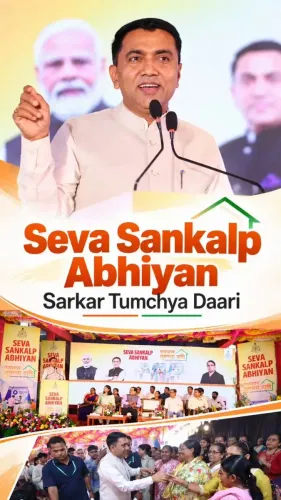
Goa CM Pramod Sawant addressed the concluding ceremony of Rashtriya Poshan Maah 2026, branded 'Aangan Ka Utsav', at Taleigao Community Hall on October 12, 2026, reaffirming state commitment to Poshan Abhiyaan, PMMVY, Beti Bachao Beti Padhao, and the Swavalamban Scheme.
Key Takeaways
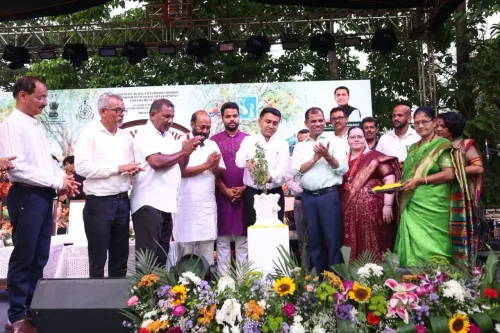
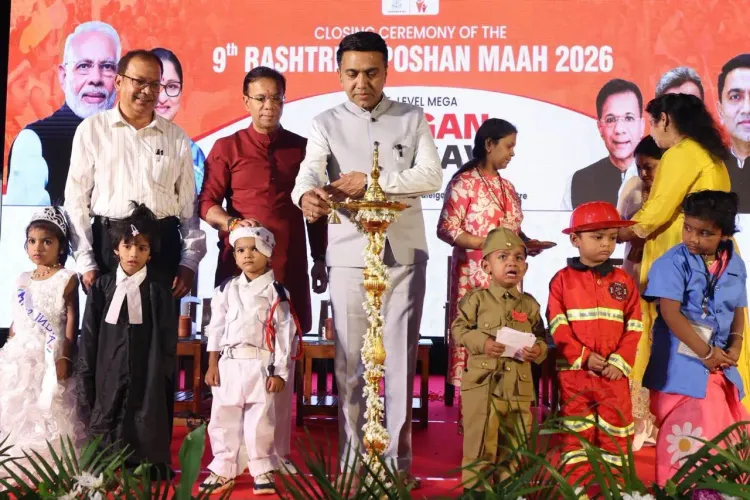
Goa CM Pramod Sawant addressed the Rashtriya Poshan Maah 2026 concluding ceremony at Taleigao Community Hall on October 12, 2026 .
The state-level mega event was branded 'Aangan Ka Utsav' and held in the presence of Minister Vishwajit Rane .
Sawant distributed prizes to children who participated in competitions held during the month, recognising grassroots community engagement.
Four central welfare schemes were reaffirmed: Poshan Abhiyaan , Pradhan Mantri Matru Vandana Yojana , Beti Bachao Beti Padhao , and the Swavalamban Scheme .
The Swavalamban Scheme was specifically highlighted for its role in connecting women to self-help groups and financial support for economic independence.
Rashtriya Poshan Maah is a national month of nutrition mobilisation observed every September , with Goa marking its close through a high-profile state event.
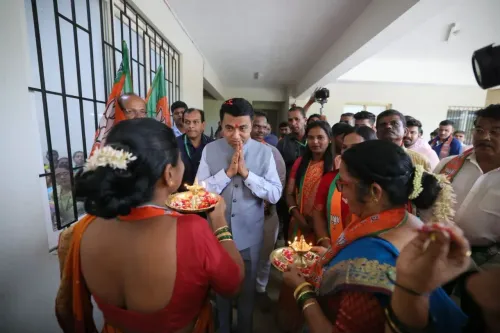
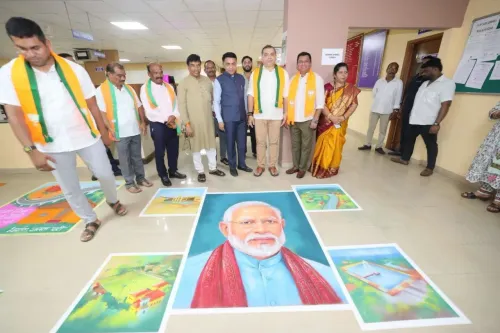
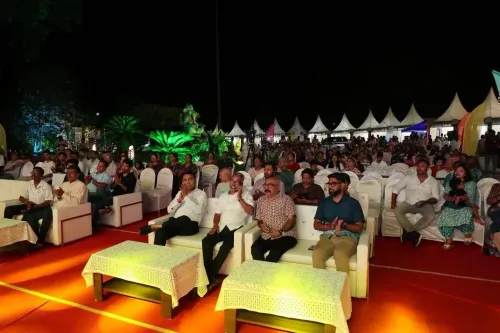
Goa Chief Minister Pramod Sawant brought the state's month-long nutrition drive to a formal close on Monday, October 12, 2026, addressing the concluding ceremony of Rashtriya Poshan Maah 2026 at Taleigao Community Hall, Taleigao — a state-level mega event branded 'Aangan Ka Utsav' (Celebration of the Courtyard), designed to bring grassroots welfare to the fore.
What 'Aangan Ka Utsav' put on the table
The event drew Minister Shri Vishwajit Rane and other senior dignitaries alongside frontline workers who have spent the month delivering nutrition counselling, healthcare awareness, and essential welfare services to women, children, and families at the village level. CM Sawant publicly appreciated their contribution, calling it 'invaluable' — a deliberate spotlight on the anganwadi and ASHA network that is rarely in the frame at state-level events.
Children who participated in competitions held through the month received prizes at the ceremony, with Sawant celebrating their 'enthusiasm and creativity' — keeping the event grounded in community participation rather than bureaucratic formality.
Schemes CM Sawant reaffirmed from the Taleigao stage
The Chief Minister used the platform to reiterate Goa's commitment to four central programmes that form the backbone of maternal and child welfare policy. Poshan Abhiyaan — the national nutrition mission — targets stunting, wasting, and anaemia among children under six and pregnant or lactating women. Pradhan Mantri Matru Vandana Yojana (PMMVY) provides conditional cash transfers to first-time mothers to compensate for wage loss and encourage institutional delivery and breastfeeding.
Beti Bachao Beti Padhao addresses the girl child's survival, protection, and education — particularly relevant in states with skewed sex ratios. The Swavalamban Scheme, which Sawant flagged specifically for Goa, channels support through self-help groups and financial access pathways, nudging women toward economic independence rather than one-time assistance. Together, the four form a policy stack that moves from the first thousand days of a child's life all the way to a woman's financial agency.
Why a closing ceremony matters in Poshan Maah's calendar
Rashtriya Poshan Maah, observed every September across India, is the Union government's annual push to convert nutrition policy into last-mile action — through community mobilisation, behaviour-change communication, and convergence across health, education, and women-and-child-development departments. Goa's decision to mark the conclusion with a state-level mega event signals administrative seriousness about the month's targets, not just a checkbox exercise. The branding as 'Aangan Ka Utsav' — evoking the courtyard where much of rural childcare and cooking actually happens — reinforces the intent to make the campaign culturally resonant.
For Goa, a small coastal state where urban-rural nutritional divides can be sharper than headline data suggests, sustaining political attention on anganwadi infrastructure and maternal health access through moments like today's ceremony keeps the issue from fading off the agenda.
The stage at Taleigao closed with a recommitment to 'healthier mothers, well-nourished children, and empowered women across Goa' — a phrase that doubles as a scorecard the state has now publicly staked itself to.
Point of View
Not merely administratively active. Anchoring the event at the community hall level and foregrounding frontline workers — rather than officials — is consistent with the Centre's convergence-first approach to social delivery under schemes like Poshan Abhiyaan. The specific invocation of the Swavalamban Scheme alongside national programmes signals Goa's intent to layer state-level economic empowerment onto federal nutrition architecture. For a government heading into the next electoral cycle, tying CM-level appearances to grassroots welfare metrics is both sound governance communication and political positioning.
NationPress
12 Oct 2026
Frequently Asked Questions
What is Rashtriya Poshan Maah and when is it observed?
Rashtriya Poshan Maah is India's national nutrition month, observed every September to intensify grassroots efforts on maternal and child nutrition through community mobilisation, behaviour-change communication, and convergence of government departments.
What is 'Aangan Ka Utsav' in Goa?
'Aangan Ka Utsav' is the name Goa gave its state-level mega event marking the conclusion of Rashtriya Poshan Maah 2026, held on October 12 at Taleigao Community Hall with CM Pramod Sawant as the chief guest.
What schemes did CM Pramod Sawant highlight at the event?
CM Sawant highlighted four schemes: Poshan Abhiyaan (national nutrition mission), Pradhan Mantri Matru Vandana Yojana (conditional cash transfers for first-time mothers), Beti Bachao Beti Padhao (girl child welfare), and the Swavalamban Scheme (women's economic independence via self-help groups).
What is the Swavalamban Scheme in Goa?
The Swavalamban Scheme supports women's economic independence in Goa by channelling assistance through self-help groups and providing access to financial support, helping women move toward livelihood generation rather than one-time welfare assistance.
What is Pradhan Mantri Matru Vandana Yojana (PMMVY)?
PMMVY is a central government conditional cash transfer scheme for first-time pregnant and lactating mothers, compensating for wage loss and incentivising institutional delivery, early registration of pregnancy, and breastfeeding practices.