CM Sawant addresses Nari Shakti Mahotsav in Porvorim
Synopsis
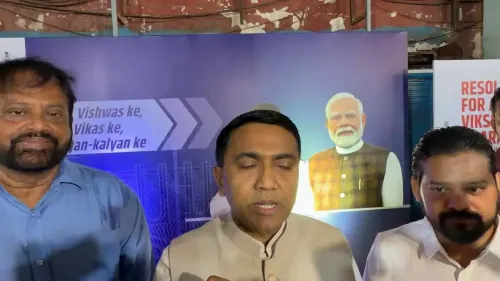
Goa Chief Minister Pramod Sawant addressed the Vachan Purti Nari Shakti Mahotsav in Socorro, Porvorim on 29 September 2026 under the Seva Sankalp Abhiyan, spotlighting the Goa Ujjwala Yojana and the state government's welfare push for women, youth, farmers and economically weaker sections.
Key Takeaways
Goa CM Pramod Sawant addressed the Vachan Purti Nari Shakti Mahotsav at Socorro, Porvorim on 29 September 2026 .
The event was organised under the Seva Sankalp Abhiyan , BJP's structured promise-fulfilment outreach campaign.
Sawant highlighted strong public response to the Goa Ujjwala Yojana , a state scheme expanding clean cooking fuel access for women.
Senior leaders present included BJP Goa President Damu Naik , Cabinet Minister Rohan Khaunte and MLA Kedar Naik .
The CM outlined welfare priorities spanning health, education, scholarships, Self Help Groups and skill development, targeting women, youth, farmers and economically weaker sections.
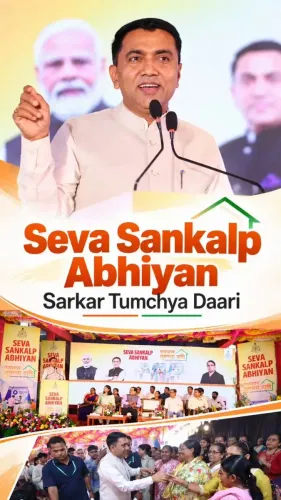
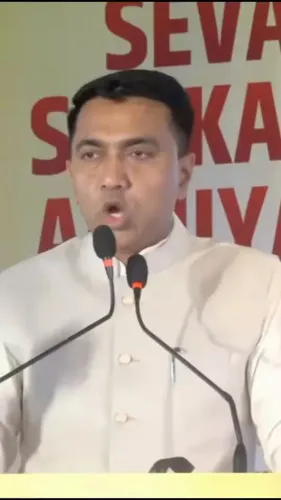
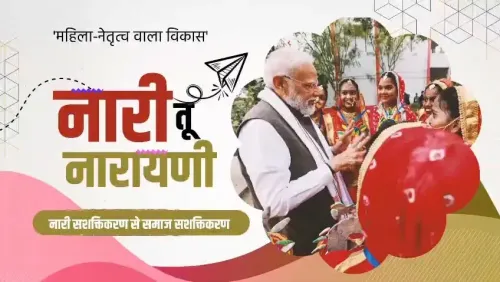
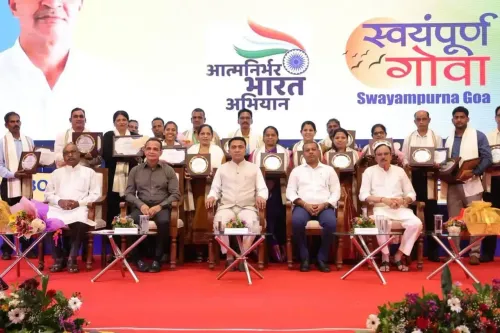
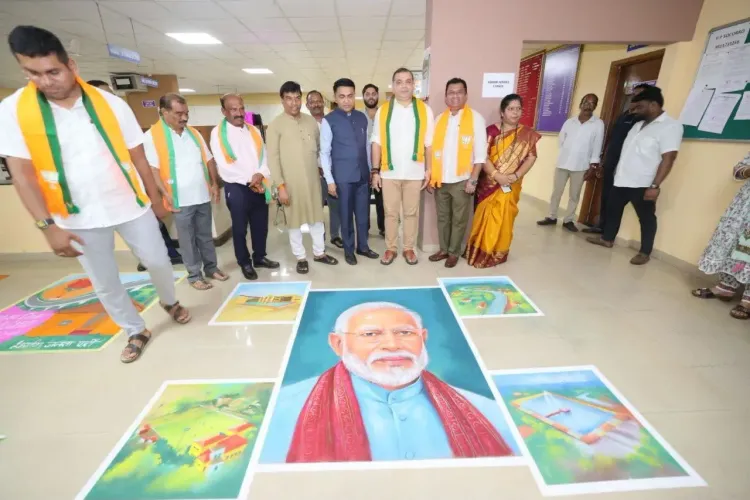
Women packed the grounds of Socorro, Porvorim on Tuesday, 29 September 2026, as Goa Chief Minister Pramod Sawant took the stage at the Vachan Purti Nari Shakti Mahotsav — a celebratory gathering under the BJP's Seva Sankalp Abhiyan that brought together women beneficiaries, party workers and senior leaders to mark promise-fulfilment on welfare commitments.
Goa Ujjwala Yojana draws a crowd
The headline moment of the mahotsav was the visible enthusiasm around the Goa Ujjwala Yojana, the state government's initiative to expand women's access to clean cooking fuel, modelled on the nationally-launched Pradhan Mantri Ujjwala Yojana of 2016. Sawant described himself as 'overwhelmed' by the response the scheme has generated, calling it a reflection of the trust Goa's women have placed in the programme. The state scheme links LPG access to a wider social security net, targeting households in the economically weaker sections.
Sharing the stage were BJP Goa President Damu Naik, Cabinet Minister Rohan Khaunte, MLA Kedar Naik, and party karyakartas (grassroots workers) — a line-up that underscored both the governmental and organisational weight the BJP is throwing behind these outreach events.
Welfare architecture Sawant outlined
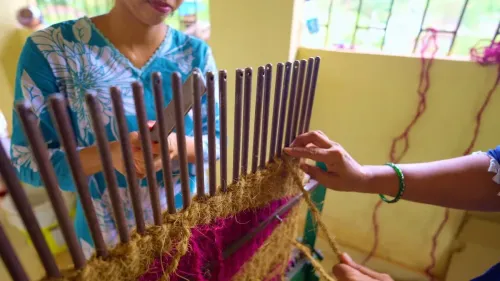
Beyond the Ujjwala headline, the Chief Minister used the platform to sketch the government's broader social agenda: health coverage, scholarships, Self Help Groups, skill development and education, all framed around four core constituencies — women, youth, farmers and economically weaker sections. The framing was deliberate: every pillar of Goa's welfare delivery, Sawant argued, is designed to reach families at the last mile rather than stop at the scheme-design stage.
The Seva Sankalp Abhiyan itself is a structured BJP outreach drive that pairs promise-inventory with direct beneficiary engagement — essentially a public audit of commitments made versus delivered. Mahotsav-style events of this kind have become a signature vehicle for the party to surface beneficiaries as visible proof-points of scheme impact, particularly among women voters.
What the Socorro gathering signals
Porvorim, home to the Goa Legislative Assembly complex, is both a symbolic and logistical nerve centre for state politics. Holding a women's empowerment conclave here is not an accident of geography — it places welfare delivery squarely in the capital's political spotlight. The event pattern also tracks with a broader BJP state-level playbook: weave national scheme branding (Nari Shakti, Ujjwala) into local delivery stories, and let beneficiary turnout do the political talking.
With implementation reports on Goa Ujjwala Yojana yet to be formally published and the state's welfare budget cycle ongoing, the next test is whether the enthusiasm on display in Socorro translates into measurable expansion of scheme coverage — a question that will have an answer in the next budget session.
Point of View
Sawant ties local scheme ownership to a nationally recognised brand, reinforcing both governmental credibility and party identity simultaneously. The Socorro venue, steps from the Goa Assembly, amplifies the signal that welfare governance and legislative accountability are being presented as one continuous story. How the state translates this mobilisation energy into verifiable beneficiary data will determine whether the Nari Shakti messaging holds beyond the mahotsav moment.
NationPress
30 Sept 2026
Frequently Asked Questions
What is the Goa Ujjwala Yojana?
The Goa Ujjwala Yojana is a state government initiative to expand women's access to clean cooking fuel, particularly LPG connections, targeting households from economically weaker sections. It builds on the national Pradhan Mantri Ujjwala Yojana launched in 2016.
What is the Seva Sankalp Abhiyan?
The Seva Sankalp Abhiyan is a BJP-organised outreach campaign focused on promise fulfilment, designed to directly engage citizens and beneficiaries on government welfare schemes and party commitments.
Who attended the Nari Shakti Mahotsav in Porvorim?
Goa Chief Minister Pramod Sawant addressed the event, joined by BJP Goa President Damu Naik, Cabinet Minister Rohan Khaunte, MLA Kedar Naik, and party karyakartas at Socorro, Porvorim on 29 September 2026.
What welfare schemes did CM Sawant highlight at the Mahotsav?
CM Sawant highlighted the Goa Ujjwala Yojana and outlined the government's focus on health, social security, education, scholarships, Self Help Groups and skill development for women, youth, farmers and economically weaker sections.
Where is Socorro, Porvorim and why is it significant?
Socorro is a locality in Porvorim, North Goa, which hosts the Goa Legislative Assembly complex. It is a key administrative and political hub for the state government.