CM Sawant Briefs Media on 12 Years of Modi Govt Schemes at Goa Bus Stands
Synopsis
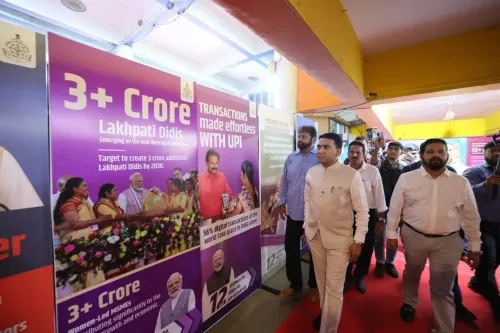
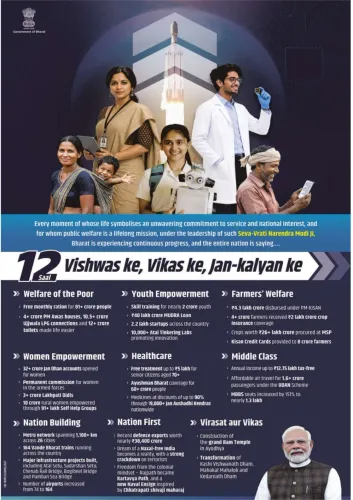
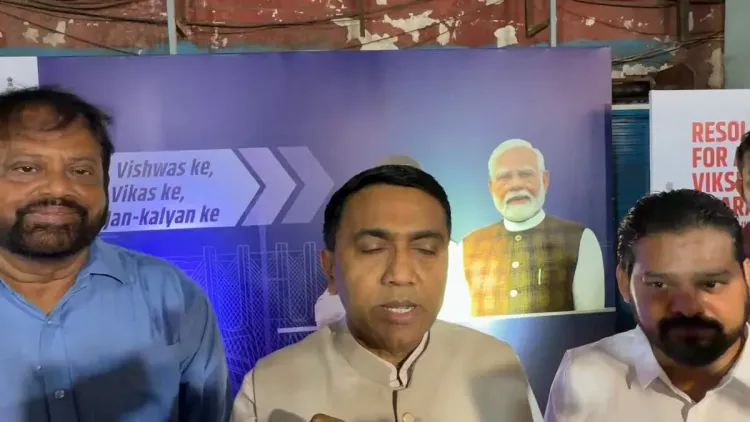
Goa Chief Minister Pramod Sawant on June 16, 2026, briefed media on public exhibitions at Mapusa, Panaji, Margao and Curchorem bus stands marking 12 years of the Modi government, spotlighting welfare schemes under Garib Kalyan, Nari Shakti, Yuva Shakti and Kisan Kalyan alongside infrastructure milestones.
Key Takeaways
Goa CM Pramod Sawant held a media briefing on June 16, 2026 on exhibitions marking 12 years of the Modi government .
Exhibitions are set up at four bus stands : Mapusa, Panaji, Margao and Curchorem .
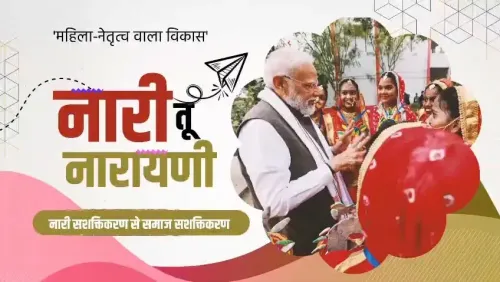
The displays cover four welfare pillars — Garib Kalyan, Nari Shakti, Yuva Shakti and Kisan Kalyan — alongside infrastructure achievements.
The initiative is part of the BJP's broader Naya Bharat communication strategy, using high-footfall public spaces to reach everyday citizens.
The campaign aligns with the national #12YearsOfNayaBharatNirman theme being promoted by the party across states.
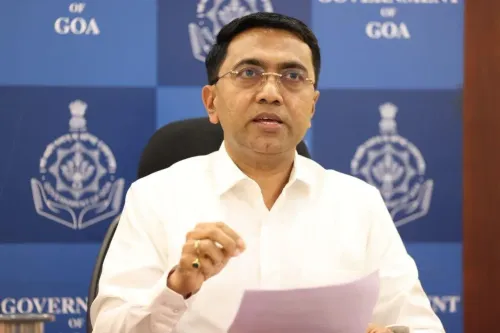
Goa Chief Minister Pramod Sawant on Tuesday, June 16, 2026, briefed the media on a series of public exhibitions being held at bus stands across the state, marking 12 years of the Narendra Modi-led central government. The exhibitions, set up at Mapusa, Panaji, Margao and Curchorem bus stands, showcase the welfare schemes and infrastructure milestones of the past decade-plus under the Naya Bharat banner.
Context
June 2026 marks the completion of 12 years since Narendra Modi was first sworn in as Prime Minister in May 2014. The ruling Bharatiya Janata Party (BJP) has branded this period as one of transformative governance, with Modi widely referred to within party circles as Pradhan Sevak (servant of the people). CM Sawant used the occasion to anchor state-level visibility to the national anniversary, staging media interactions at prominent public transit hubs across Goa.
The exhibitions are positioned as a citizen-facing chronicle of flagship programmes spanning poverty alleviation, women's empowerment, youth development, farmer welfare, and large-scale infrastructure construction — themes the BJP has consistently highlighted since 2014.
Policy Backdrop
The four pillars cited by CM Sawant — Garib Kalyan (welfare of the poor), Nari Shakti (women's empowerment), Yuva Shakti (youth empowerment), and Kisan Kalyan (farmer welfare) — are the central organising themes of the Modi government's communication strategy since its first term. Schemes such as the PM Garib Kalyan Anna Yojana, launched in 2020, and a range of direct-benefit transfer programmes have been rolled out under these umbrellas over the past twelve years.
Alongside welfare, the government has repeatedly cited unprecedented infrastructure investment — covering roads, railways, ports, and digital connectivity — as a defining feature of the Naya Bharat era. State-level BJP leaders, including CM Sawant, routinely organise local exhibitions and briefings to bring these national narratives closer to ordinary citizens.
Stakeholders and Impact
The immediate audience for these bus-stand exhibitions is the daily commuter population of Goa's four major transit hubs — Mapusa, Panaji, Margao and Curchorem — who encounter the displays as part of their routine travel. The format is designed to reach citizens who may not actively follow policy news, using high-footfall public spaces to communicate scheme benefits directly.
Welfare scheme beneficiaries across Goa — including ration-card holders, women self-help group members, farmers, and youth enrolled in skill programmes — are the broader stakeholders whose experiences the exhibitions are intended to reflect. For the BJP, the exercise also serves an organisational purpose: reinforcing the party's governance record ahead of future electoral cycles in the state.
What's Next
The bus-stand exhibition format, if it draws public engagement, could be replicated at additional locations across Goa's districts during the 2026–27 period. CM Sawant's media briefing signals that the state government intends to keep the 12-year milestone in public conversation beyond a single-day announcement, potentially scheduling district-level reviews or implementation showcases of central schemes. How widely Goan citizens engage with these exhibitions will be a measure of the state BJP's ability to translate national narratives into local political capital.
Point of View
Non-partisan public spaces rather than confining it to party offices or rallies — a pattern visible across BJP-governed states. By personally briefing media, CM Sawant positions himself as an active relay point between the central government's record and Goa's electorate, reinforcing his own political standing alongside Modi's legacy. The choice of four geographically spread locations — covering North, South and Central Goa — suggests a coordinated state-wide rollout rather than a token gesture. Sustaining such outreach beyond a single anniversary week will determine whether it translates into durable voter recall or fades as routine political optics.
NationPress
24 Sept 2026
Frequently Asked Questions
Why is Goa holding exhibitions at bus stands in June 2026?
Goa is holding exhibitions at bus stands in June 2026 to mark 12 years of the Narendra Modi-led central government, showcasing welfare schemes and infrastructure achievements under the Naya Bharat theme.
Which bus stands in Goa have the Modi government exhibitions?
The exhibitions have been set up at four bus stands in Goa — Mapusa, Panaji, Margao and Curchorem — covering major transit hubs across the state.
What schemes are being highlighted in the Goa bus stand exhibitions?
The exhibitions highlight schemes under four pillars: Garib Kalyan (welfare of the poor), Nari Shakti (women's empowerment), Yuva Shakti (youth empowerment) and Kisan Kalyan (farmer welfare), along with infrastructure development.
What is the meaning of Pradhan Sevak?
Pradhan Sevak is a Hindi phrase meaning 'chief servant' or 'servant of the people,' used by Narendra Modi and the BJP to describe his role as Prime Minister, emphasising service over authority.
What is the BJP's Naya Bharat Nirman campaign?
Naya Bharat Nirman, meaning 'Building New India,' is the BJP's overarching political narrative framing the Modi government's 12-year record of welfare programmes and infrastructure investment as a transformative national journey.