Pakistan Army's Houthi dilemma: Can Asim Munir avoid an escalation trap?
Synopsis
Pakistan Army chief Asim Munir's Houthi dilemma isn't just a bilateral problem — it is a test of whether Islamabad can honour a formal defence pact with Saudi Arabia without triggering Iranian enmity or a Houthi counter-strike. History's catalogue of 'limited' wars that spiralled catastrophically makes this one of the most consequential strategic calculations Pakistan has faced in years.
Key Takeaways
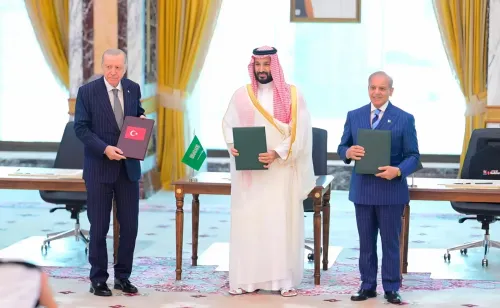
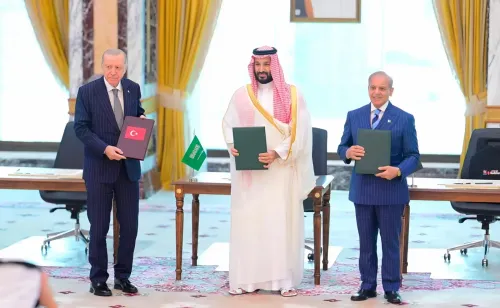
Pakistan Army chief Field Marshal Asim Munir faces pressure to honour the Makkah Joint Defence Agreement by deploying forces alongside Saudi Arabia against the Houthis .
Yemen's Houthi leadership has reportedly warned Islamabad of 'severe retaliation' if Pakistan intervenes militarily on Riyadh's behalf.
Defence Minister Khawaja Asif has described Pakistan's current role as limited to reconnaissance and support — a distinction analysts say is historically fragile.
Munir is reportedly pursuing diplomatic engagement with Tehran , urging Iran to restrain the Houthis and reduce threats to Saudi energy infrastructure.
Historical precedents — the Korean War (1950) , Vietnam , Afghanistan , and Russia-Ukraine — all began as limited commitments before escalating into prolonged conflicts with massive costs.
Pakistan's dilemma is compounded by its economic dependence on Saudi Arabia and its shared border with Iran , which retains significant Houthi influence.
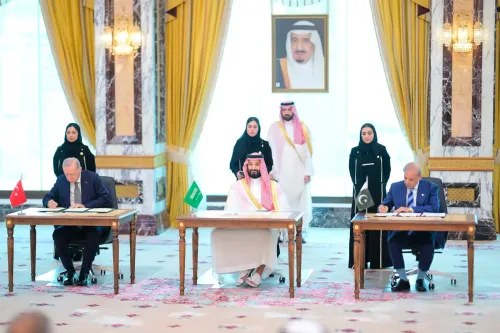
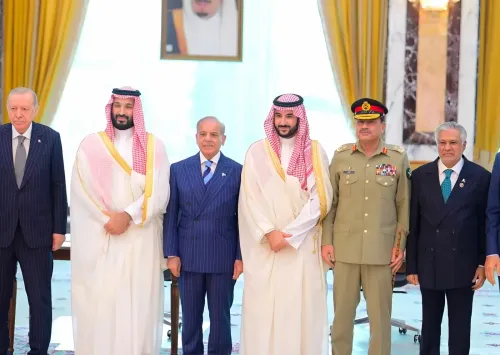
Pakistan Army chief Field Marshal Asim Munir is navigating one of the most consequential strategic dilemmas in recent Pakistani military history — honouring the Makkah Joint Defence Agreement with Saudi Arabia while facing a direct warning from Yemen's Houthi movement threatening 'severe retaliation' if Islamabad intervenes militarily on Riyadh's behalf. The standoff, emerging on 12 October 2026, places Pakistan at the intersection of competing regional alliances and the enduring lessons of conflicts that began small and ended catastrophically.
The Immediate Crisis
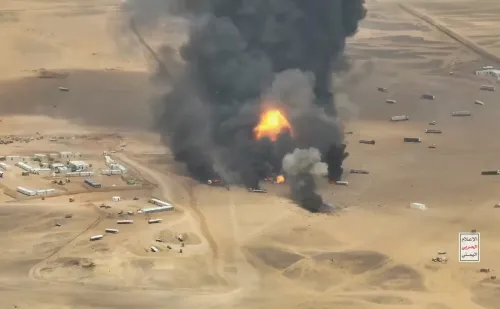
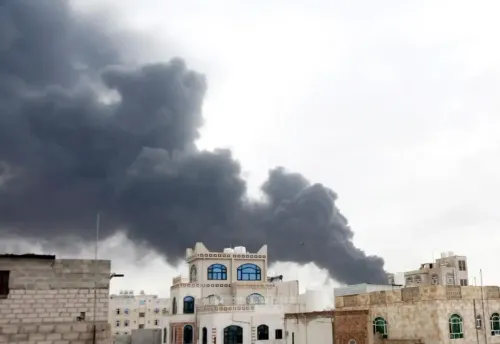
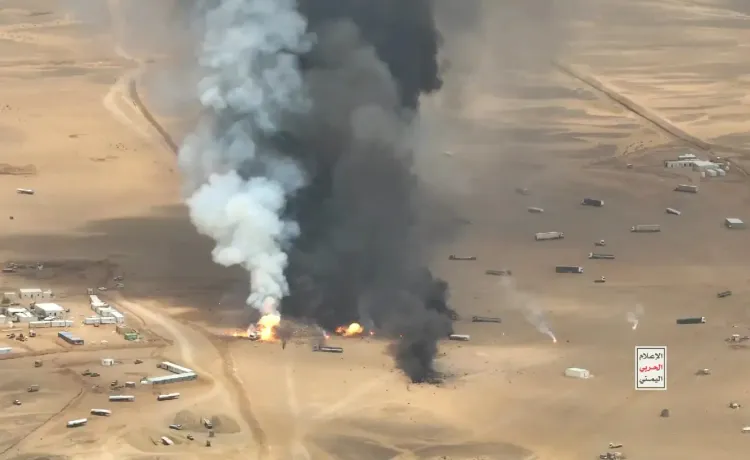
The Yemen-Saudi Arabia conflict has intensified in recent months, with Houthi raids and missile strikes increasingly threatening Saudi territory, energy infrastructure, and critical Red Sea shipping lanes. Reports indicate that the Pakistan military confirmed deployment of forces to Saudi Arabia under the Makkah pact, prompting the Houthi leadership to warn Islamabad against military involvement, raising the perceived cost of crossing from diplomatic support to direct combat participation.
Pakistan's Defence Minister Khawaja Asif described the country's role as 'a supporting role', largely confined to reconnaissance and similar non-combat assistance. Analysts, however, question how long such a distinction can hold — noting that limited commitments historically have a way of expanding under operational pressure.
Pakistan's Balancing Act
Saudi Arabia remains one of Pakistan's most important economic and strategic partners, hosting a large Pakistani diaspora whose remittances are vital to Islamabad's foreign exchange reserves. At the same time, Pakistan shares a border with Iran, which retains significant influence over the Houthis. A direct military role in the conflict risks straining ties with Tehran, exposing Pakistani personnel and assets to retaliatory strikes, and generating domestic political complications.
According to reports, Munir has been pursuing diplomatic engagement with Tehran, urging Iranian officials to use their leverage to restrain the Houthis and reduce threats to Saudi energy facilities. This dual-track approach — alliance commitment paired with back-channel diplomacy — reflects Islamabad's effort to avoid being drawn into a wider regional war.
History's Warning: Limited Wars That Weren't
The historical record offers sobering precedents for decision-makers tempted by the logic of limited intervention. The Korean War, which began in June 1950 as a rapid offensive, quickly drew in the United States, China, and the then-Soviet Union, evolving into a three-year conflict with millions of casualties. What was anticipated as swift became generational.
The Vietnam War followed a similar trajectory — advisory missions and small deployments gradually expanding into one of the largest conflicts of the Cold War era. American policymakers reportedly believed incremental escalation would preserve strategic flexibility; instead, each step created pressure for the next, until withdrawal became both politically and militarily untenable.
In Afghanistan, both the decade-long Soviet occupation of the 1980s and the US-led presence from 2001 to 2021 ended with enormous human and financial costs. Even the British Raj had recognised that capturing Kabul did not mean governing the country. More recently, the Russia-Ukraine war reinforced the same pattern — initial expectations of a short campaign giving way to a prolonged conflict imposing severe military, economic, and diplomatic costs.
The Escalation Ladder and Pakistan's Red Lines
Analysts note that the Houthis' warning is calibrated to raise the cost threshold for Pakistani involvement — deterring Islamabad from transitioning from logistical and diplomatic support to direct military participation as the Makkah Treaty envisages. The dynamic is familiar: a deployment intended to reassure an ally can become a combat mission; air defence assistance can evolve into active retaliation; and retaliation can trigger a severe counter-offensive.
For Munir, the calculation is layered. A failure to honour the Makkah pact risks damaging a foundational strategic relationship. Active military involvement risks Iranian enmity, Houthi strikes on Pakistani assets, and a domestic backlash at home. The space between these two outcomes is narrowing.
What Comes Next
Pakistan's diplomatic outreach to Tehran is reportedly ongoing, and analysts expect Islamabad to continue seeking a negotiated off-ramp that satisfies its formal alliance obligations without triggering direct conflict. Whether that space remains available — or whether the Houthi warning and Saudi pressure force a binary choice — will shape not only Pakistan's regional posture but the broader dynamics of an already volatile Middle East. The next weeks are likely to be decisive.
Point of View
But it buys time, not a solution; Iran's leverage over the Houthis is real but not absolute. The deeper risk is that 'supporting role' language has been used before — by Washington in Vietnam, by Moscow in the early Afghan intervention — and it rarely held. If Islamabad is eventually forced into direct combat, the domestic political cost in a country already strained by economic fragility could be severe, and the regional blowback from Tehran could destabilise Pakistan's western frontier at precisely the wrong moment.
NationPress
12 Oct 2026
Frequently Asked Questions
What is the Makkah Joint Defence Agreement and what does it require of Pakistan?
The Makkah Joint Defence Agreement is a defence pact between Pakistan and Saudi Arabia that commits Islamabad to military cooperation in defence of Riyadh. Reports indicate Pakistan has already confirmed deployment of forces to Saudi Arabia under this pact, though Defence Minister Khawaja Asif has described the role as limited to reconnaissance and support rather than direct combat.
Why have the Houthis warned Pakistan?
Yemen's Houthi leadership has reportedly warned Islamabad against military involvement on Saudi Arabia's behalf, threatening 'severe retaliation.' The warning is designed to raise the cost threshold for Pakistani intervention and deter Islamabad from moving beyond diplomatic and logistical support to direct military participation.
How is Pakistan trying to manage its relationship with Iran amid the Saudi commitment?
According to reports, Pakistan Army chief Asim Munir has been pursuing diplomatic engagement with Tehran, urging Iranian officials to use their influence to restrain the Houthis and reduce threats to Saudi energy infrastructure. This dual-track approach reflects Islamabad's effort to honour its alliance obligations without provoking a wider regional confrontation.
What historical precedents are relevant to Pakistan's current dilemma?
Several conflicts that began as limited interventions later escalated into full-scale wars — including the Korean War (1950), the Vietnam War, the Soviet occupation of Afghanistan in the 1980s, and the US-led presence there from 2001 to 2021. Each began with expectations of a short or contained commitment that gave way to prolonged, costly conflict. Analysts argue these lessons are directly relevant to Pakistan's current calculations.
What are the risks for Pakistan if it commits to direct military involvement against the Houthis?
Direct military involvement could strain Pakistan's relations with Iran, expose Pakistani personnel and assets to Houthi retaliatory strikes, and create significant domestic political complications in an already economically stressed country. Analysts warn that limited commitments rarely remain limited, with deployments intended to reassure allies frequently evolving into full combat missions.