EU adopts 1,600 new sanctions targeting Russia's missile production chain
Synopsis
The EU has just executed its single largest sanctions expansion since the Russia-Ukraine war began — nearly 1,600 new listings, with more than half targeting Russia's ballistic missile supply chain. The move signals a deliberate shift from broad economic pressure to surgical disruption of Russia's weapons manufacturing, and EU foreign policy chief Kaja Kallas is now pushing for US alignment to close the gaps Brussels cannot plug alone.
Key Takeaways
The EU adopted nearly 1,600 new sanctions listings on 12 October 2026 , targeting Russia's military-industrial complex .
More than half of the new listings are linked to Russia's ballistic missile production chain .
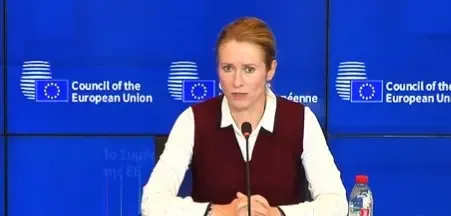
EU foreign policy chief Kaja Kallas called it the largest single expansion of the bloc's sanctions list since the Russia-Ukraine conflict began.
Last month, the EU extended Ukraine-related sanctions on more than 3,000 individuals and entities until 22 September 2029 .
Kallas called for greater US-EU coordination on Russia sanctions to strengthen pressure on Moscow .
EU sanctions on Russia were first introduced in March 2014 and have expanded significantly since February 2022 .
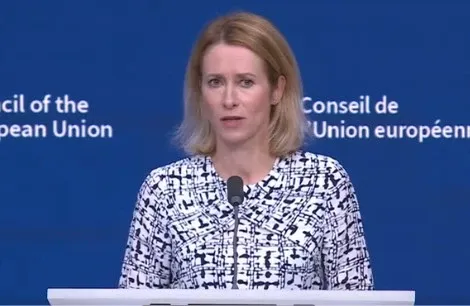
The European Union on Monday, 12 October 2026 adopted nearly 1,600 new sanctions listings targeting Russia's military-industrial complex, in what EU foreign policy chief Kaja Kallas described as the largest single expansion of the bloc's sanctions list since the start of the Russia-Ukraine conflict. The move was confirmed by Kallas ahead of the Foreign Affairs Council meeting in Luxembourg.
Scale and Scope of the New Listings
According to Kallas, more than half of the newly listed entities and individuals are directly linked to the ballistic missile production chain — a targeted effort to disrupt Russia's ability to manufacture and deploy the weapons being used against Ukraine. The measures are designed, she said, to make it 'significantly harder, slower and more expensive' for Russia to sustain its weapons output.
The restrictive measures include travel bans on listed individuals, asset freezes, and a prohibition on making funds or economic resources available to those targeted. The scope of Monday's action goes beyond defence manufacturing, also addressing what Kallas called 'sham elections in Russia regarding the occupied territories of Ukraine.'
Context: Three Years of Escalating Pressure
The EU first introduced Ukraine-related sanctions in March 2014 following Russia's annexation of Crimea, but the framework was dramatically widened after the full-scale escalation in February 2022. Since then, the bloc has imposed successive waves of restrictions across energy, finance, trade, and technology, alongside targeted individual and entity listings.
Just last month, the EU extended Ukraine-related sanctions against more than 3,000 individuals and entities for a further three years, with the measures now set to remain in place until 22 September 2029. Three individuals and one entity were removed from that list at the time of renewal.
Kallas Calls for US Alignment
Speaking in Luxembourg, Kallas also called for greater coordination with the United States on Russia sanctions, arguing that transatlantic alignment would significantly strengthen collective pressure on Moscow. This appeal comes amid ongoing uncertainty over Washington's posture on the Ukraine conflict and its willingness to maintain existing sanctions architecture.
Kallas reiterated the EU's position that sustained pressure on Russia remains necessary to bring the conflict to an end, framing Monday's expansion as part of a long-term strategy rather than a one-off measure.
What This Means Going Forward
Monday's listing represents a notable shift in emphasis — from broad sectoral restrictions to surgical targeting of Russia's weapons supply chain, particularly ballistic missiles. Analysts and critics argue that the effectiveness of the expanded list will depend heavily on enforcement and on whether third-country intermediaries supplying Russia's defence sector are also brought within scope. The call for US alignment suggests Brussels is aware that unilateral EU pressure has limits without coordinated Western action.
Point of View
But the real question is whether targeting the ballistic missile supply chain will translate into measurable battlefield impact — or whether Russia's ability to source components through third-country intermediaries blunts the effect. The EU's candid call for US alignment reveals a structural vulnerability: European sanctions architecture, however expansive, cannot substitute for coordinated transatlantic enforcement. With the measures locked in until 2029, Brussels has made a long bet — but the returns depend as much on Washington's posture as on EU resolve.
NationPress
12 Oct 2026
Frequently Asked Questions
What are the new EU sanctions against Russia adopted on 12 October 2026?
The EU adopted nearly 1,600 new sanctions listings targeting Russia's military-industrial complex on 12 October 2026, including travel bans, asset freezes, and prohibitions on transferring funds to listed entities. EU foreign policy chief Kaja Kallas described it as the largest single expansion of the bloc's Russia sanctions list since the conflict with Ukraine began.
Why are more than half the new listings linked to ballistic missiles?
The EU is specifically targeting Russia's ballistic missile production chain to disrupt the manufacture and supply of weapons being used against Ukraine. According to Kallas, the aim is to make it significantly harder, slower, and more expensive for Russia to produce these weapons.
How long have EU sanctions against Russia been in place?
EU sanctions related to Ukraine were first introduced in March 2014 following Russia's annexation of Crimea, and have been significantly expanded since February 2022. The most recent extension keeps measures against more than 3,000 individuals and entities in force until 22 September 2029.
Why is the EU calling for US alignment on Russia sanctions?
EU foreign policy chief Kaja Kallas argued that coordinating with the United States on sanctions would strengthen collective pressure on Moscow. The call reflects concern that unilateral EU measures have limits if third-country intermediaries — some with ties to US-allied economies — continue supplying Russia's defence sector.
What sectors do EU sanctions on Russia cover?
The EU's Russia sanctions framework covers a wide range of sectors, including energy, finance, trade, and technology, alongside targeted restrictions on individuals and entities directly linked to Russia's military and political establishment. Monday's expansion adds a sharper focus on the weapons manufacturing supply chain.