EU proposes 21st Russia sanctions package targeting fisheries, energy and crypto
Synopsis
The EU's 21st Russia sanctions package breaks new ground on two fronts: it targets the 'shadow fleet's' support network for the first time, and it takes aim at Russia's fisheries sector — an industry untouched across all previous twenty rounds. With 662 ships now designated and transaction bans extended to crypto firms and third-country intermediaries, Brussels is closing the loopholes that have kept Russian revenues flowing.
Key Takeaways
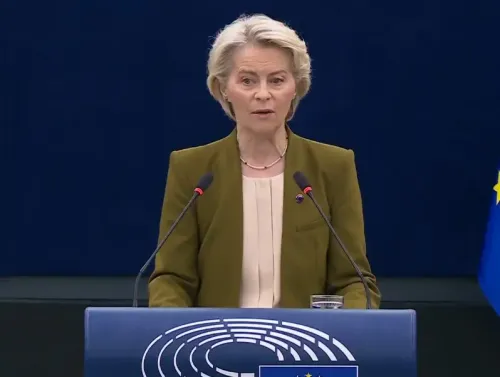
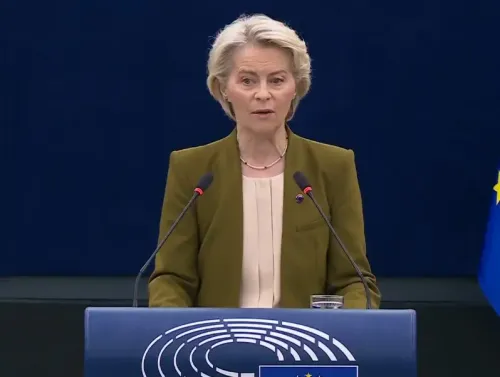
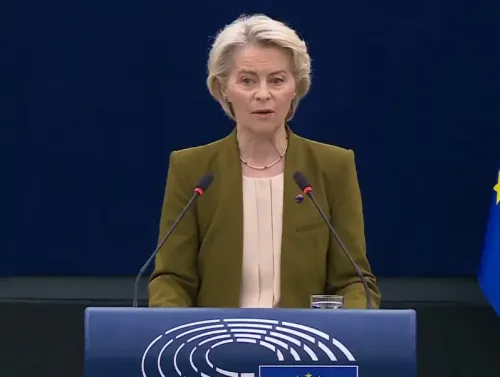
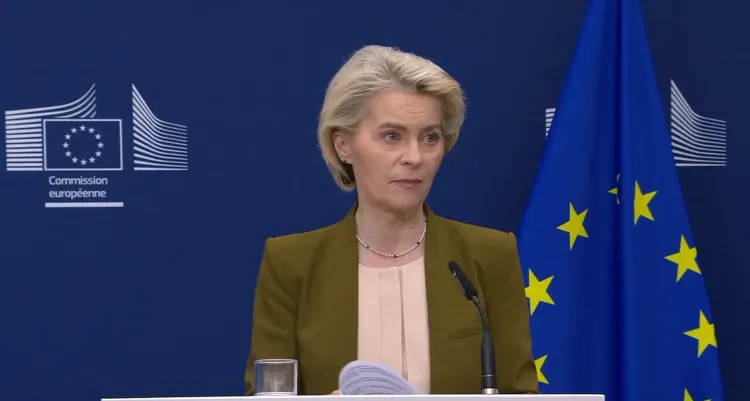
European Commission President Ursula von der Leyen proposed the 21st sanctions package against Russia on 9 June .
For the first time, sanctions target Russia's fisheries sector , including a complete ban on cod imports.
30 additional vessels added to the sanctions list, bringing the total to 662 ships ; support services to the 'shadow fleet' targeted for the first time.
Transaction bans extended to 31 additional Russian banks and 20 third-country banks, crypto firms, and oil traders.
Import bans cover goods worth approximately €60 million , including metals and automotive parts.
The package requires unanimous approval by all EU member states before taking effect.
European Commission President Ursula von der Leyen on Tuesday, 9 June unveiled the 21st package of sanctions against Russia, broadening the bloc's economic pressure campaign to cover energy, financial services, crypto assets, trade, and — for the first time — fisheries. The proposal, announced from Brussels, marks one of the most expansive single-package expansions since the Ukraine conflict began.
Key Measures in the Package
Among the headline provisions, the Commission has proposed suspending the automatic adjustment mechanism of the oil price cap until January, a step designed to stabilise oil markets while sustaining downward pressure on Russian revenues. An additional 30 vessels would be added to the sanctions list, bringing the total to 662 designated ships. Crucially, for the first time, sanctions would extend to vessels providing support services to the so-called 'shadow fleet', including bunkering operations.
The package also proposes restrictions on ports, airports, and refineries involved in trading or processing Russian oil. The sale of Liquefied Natural Gas (LNG) tankers to Russia would similarly be curtailed.
Financial, Crypto and Trade Restrictions
On the financial front, the Commission would expand transaction bans to 31 additional Russian banks, as well as to 20 banks, crypto firms, platforms, and oil traders operating in third countries — a signal that Brussels is increasingly targeting intermediaries who help Russia route around existing restrictions.
New export restrictions on goods and technologies used by Russia's military-industrial sector have also been proposed, alongside curbs on drone-related equipment. Import bans covering goods worth approximately €60 million ($69.4 million) — including certain metals and automotive parts — are included as part of a broader effort to reduce EU dependence on Russian imports.
Fisheries Sector Targeted for the First Time
Perhaps the most notable new frontier is the fisheries sector. The EU is proposing substantial restrictions on imports of certain Russian fish products and a complete ban on others, including cod. This is the first time the bloc has moved against Russia's fishing industry, a sector that has largely remained untouched across two years and twenty prior rounds of sanctions. Notably, Russia is one of the world's largest fishing nations, and the measure could have meaningful economic consequences for Moscow.
Entry Ban for Russian Military Personnel
Von der Leyen also announced a new entry ban provision under the package, barring individuals who have served in the Russian armed forces since the start of the Ukraine conflict from entering the European Union. The measure significantly widens the personal scope of travel restrictions already in place against named officials and oligarchs.
What Happens Next
The proposal still requires unanimous approval by all EU member states before it can enter into force — a threshold that has, on occasion, caused delays in past packages due to diverging national interests. Once ratified, the 21st package would represent the most sweeping single expansion of the EU's Russia sanctions architecture to date. All eyes now turn to member-state capitals, where negotiations are expected to begin immediately.
Point of View
The EU's sanctions architecture was showing diminishing returns — Russia had adapted through the shadow fleet, third-country intermediaries, and crypto channels. The 21st package attempts to close those workarounds simultaneously, but the real test is enforcement, not announcement. Targeting bunkering services and third-country crypto firms is meaningfully harder than blacklisting named Russian entities. The fisheries move is symbolically significant but economically modest at €60 million in import bans. The unanimous approval requirement remains the structural weakness: past packages have been watered down at the last minute by member states with diverging energy or trade exposures. Until that veto is addressed, each package risks being less than the sum of its parts.
NationPress
21 Sept 2026
Frequently Asked Questions
What is the EU's 21st sanctions package against Russia?
It is a new set of economic and travel restrictions proposed by the European Commission on 9 June, targeting Russia's energy, financial services, crypto assets, trade, and fisheries sectors. It is the most expansive single-package expansion since the Ukraine conflict began, and the first to target Russia's fishing industry.
Why is the fisheries sector being sanctioned for the first time?
The EU has proposed substantial restrictions on Russian fish imports, including a complete ban on cod, as part of efforts to reduce dependence on Russian imports and increase economic pressure on Moscow. Russia is one of the world's largest fishing nations, making the sector a significant new pressure point.
What are the new shadow fleet measures?
For the first time, sanctions would target vessels that provide support services to Russia's shadow fleet, including bunkering operations. An additional 30 ships are being added to the designations list, bringing the total to 662 vessels.
Which financial institutions are affected by the new crypto and banking measures?
The Commission proposes expanding transaction bans to 31 additional Russian banks and to 20 banks, crypto firms, platforms, and oil traders in third countries — targeting intermediaries that help Russia circumvent existing financial restrictions.
When will the 21st sanctions package take effect?
The proposal still requires unanimous approval by all EU member states before it can enter into force. Negotiations among member-state capitals are expected to begin immediately following the Commission's announcement.