CM Fadnavis Performs Dhwajstambha Puja for Simhastha Kumbh 2027
Synopsis
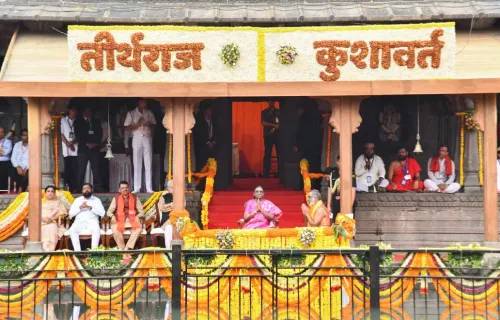
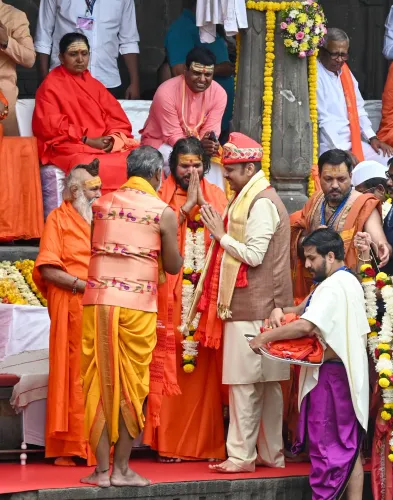
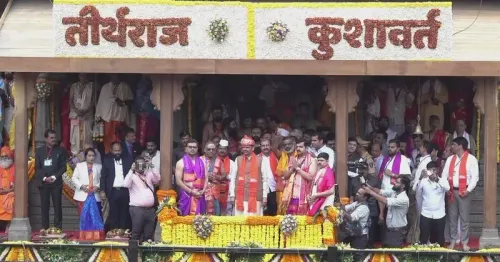
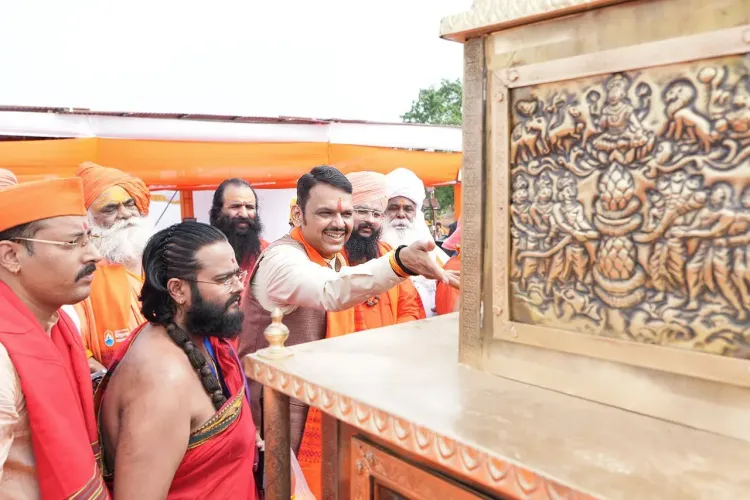
Chief Minister Devendra Fadnavis performed the Dhwajstambha puja at Goda Ghat, Trimbakeshwar on 31 October 2026, ritually launching the countdown to the Nashik-Trimbakeshwar Simhastha Mahakumbh Mela 2027. Sant-Mahants from multiple akharas and MLA Hiraman Khoskar were present at the ceremony.
Key Takeaways
CM Devendra Fadnavis performed the Dhwajstambha puja at Goda Ghat, Trimbakeshwar on 31 October 2026 , formally beginning the mela cycle.
The Nashik-Trimbakeshwar Simhastha Mahakumbh Mela is a 12-year cycle event; the previous edition was held in 2015 .
Sant-Mahants from various akharas attended, signalling early coordination between religious orders and the state government.
MLA Hiraman Khoskar of the Trimbakeshwar constituency was among the dignitaries present.
Trimbakeshwar houses one of the twelve Jyotirlingas , making it among the most sacred venues on the Kumbh circuit.
State infrastructure planning, budget allocations, and akhara negotiations are the key milestones to watch ahead of 2027 .
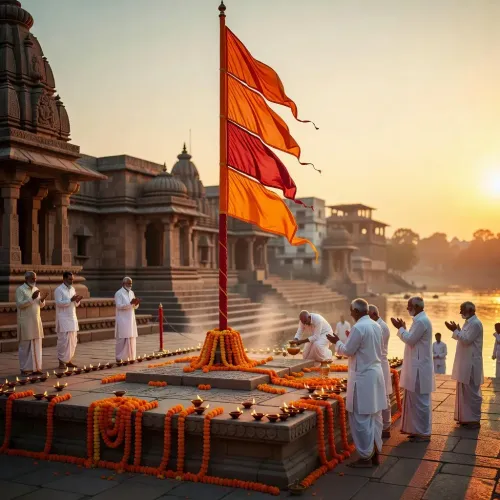
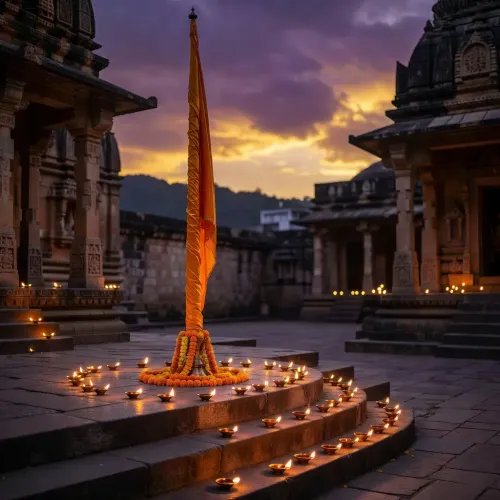
A saffron flag rose over Goda Ghat, Trimbakeshwar on 31 October 2026 as Maharashtra formally opened the countdown to one of Hinduism's grandest pilgrimages. Chief Minister Devendra Fadnavis performed the sacred puja of the Dhwajstambha — the consecrated flagpole — of the Nashik-Trimbakeshwar Simhastha Mahakumbh Mela 2027, marking the ritual commencement of preparations for an event that will draw millions of devotees to the banks of the Godavari.
The Dhwajstambha puja and what it signals
The Dhwajstambha puja is not a routine inauguration. In the tradition of the Kumbh Mela, raising and consecrating the flagpole is a declaration — धर्मध्वज नमोऽस्तु ते ('salutations to the flag of dharma') — that the sacred ground is now spiritually activated for the mela cycle ahead. Sant-Mahants from various akharas, the traditional Hindu monastic orders whose processions define the Kumbh's most iconic moments, were present alongside MLA Hiraman Khoskar of the Trimbakeshwar constituency and other dignitaries. Their presence alongside the Chief Minister signals early alignment between the state administration and the religious bodies whose cooperation is essential for the mela's conduct.
Twelve years since Nashik last held the Simhastha
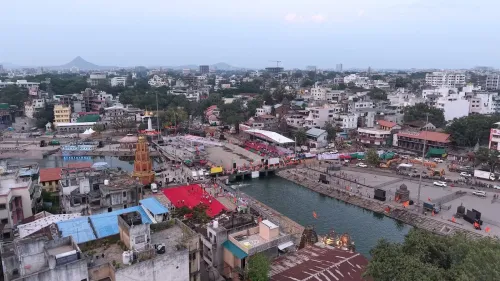
The Nashik-Trimbakeshwar Simhastha Kumbh Mela follows a 12-year cycle. The last edition was held in 2015, drawing tens of millions of pilgrims to the twin sites on the Godavari river. Trimbakeshwar, in Nashik district, is home to the ancient Trimbakeshwar Shiva Temple — one of the twelve Jyotirlingas — making it among the most spiritually charged venues on the Kumbh circuit. The scale of the 2015 event set a high administrative bar; the 2027 edition will be expected to clear it.
The state's role: logistics, riverfront, and akhara coordination
State governments in India manage Kumbh Melas through dedicated administrative bodies, coordinating everything from riverfront infrastructure and temporary townships to transport links and crowd management. Maharashtra has previously channelled significant resources into Godavari ghat development for the mela. With the 2027 event now formally flagged, attention turns to state budget allocations, infrastructure tenders, and the sequencing of akhara negotiations — the complex process by which the order of the royal bathing processions (Shahi Snan) is determined. The Chief Minister's direct participation in the Dhwajstambha puja sends an early signal that the state intends to lead from the front.
The flag is up. The clock is running. Maharashtra has roughly a year to build the infrastructure, broker the agreements, and ready the ghats for a pilgrimage that will test the state's administrative machinery at full stretch — and, if history is any guide, deliver one of the largest peaceful human gatherings on earth.
Point of View
Early akhara engagement is politically shrewd: the monastic orders hold sway over millions of pilgrims and their goodwill is indispensable for smooth conduct. The ceremony also fits a broader pattern of the Maharashtra government using high-visibility religious occasions to consolidate its cultural-nationalist credentials ahead of the electoral cycle. How quickly the state translates this symbolic launch into concrete infrastructure spending will be the real test of its commitment.
NationPress
1 Nov 2026
Frequently Asked Questions
What is the Nashik-Trimbakeshwar Simhastha Kumbh Mela?
The Nashik-Trimbakeshwar Simhastha Kumbh Mela is a major Hindu pilgrimage held every 12 years at Nashik and Trimbakeshwar in Maharashtra, on the banks of the Godavari river. It draws tens of millions of devotees and is one of the largest religious gatherings in the world.
When is the next Simhastha Kumbh Mela at Nashik?
The next Nashik-Trimbakeshwar Simhastha Mahakumbh Mela is scheduled for 2027. The previous edition was held in 2015.
What is a Dhwajstambha puja?
A Dhwajstambha puja is the ritual consecration of a sacred flagpole, traditionally performed to spiritually activate a religious site or mark the formal beginning of a major religious event or festival cycle.
Where is Trimbakeshwar and why is it significant for Kumbh Mela?
Trimbakeshwar is a town in Nashik district, Maharashtra. It is home to the Trimbakeshwar Shiva Temple, one of the twelve Jyotirlingas, making it one of the holiest sites in Hinduism and a key venue for the Simhastha Kumbh Mela.
What role do akharas play in the Kumbh Mela?
Akharas are traditional Hindu monastic orders whose saints and mahants lead the iconic royal bathing processions, known as Shahi Snan, at Kumbh Melas. Their participation and the order of their processions are central to the event's religious and organisational structure.