CM Fadnavis: Pune Metro Line 3 to connect Hinjewadi IT hub
Synopsis
Chief Minister Devendra Fadnavis has announced that Pune Metro Line 3 will boost connectivity to the Hinjewadi IT hub, extending Maharashtra's metro network to one of India's largest technology clusters and offering relief to hundreds of thousands of daily commuters.
Key Takeaways
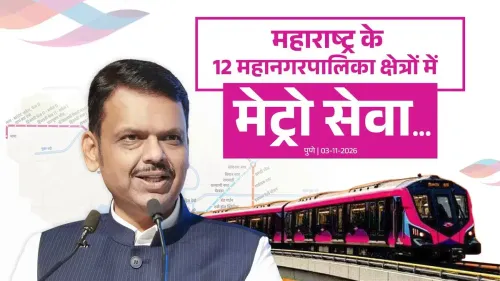
CM Devendra Fadnavis announced on 4 November 2026 that Pune Metro Line 3 will improve connectivity to the Hinjewadi IT hub .
Hinjewadi is one of India's largest IT and manufacturing clusters, employing hundreds of thousands and long underserved by formal rapid transit.
Pune Metro Phase 1 (Lines 1 and 2) received Union Cabinet approval in 2018 ; Line 3 extends that network westward to economic zones not covered by Phase 1.
Maharashtra is simultaneously expanding metro infrastructure in Mumbai , making it one of India's most active metro-construction states.
Key milestones to watch include tender awards, land acquisition, and integration with existing Pune bus and rail networks.
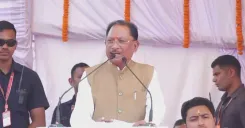
Pune's vast Hinjewadi IT cluster — home to hundreds of thousands of technology workers who grind through some of Maharashtra's worst road congestion every day — is finally in line for a metro connection. Chief Minister Devendra Fadnavis declared on Wednesday, 4 November 2026 that Pune Metro Line 3 will directly boost connectivity to the Hinjewadi technology corridor, signalling fresh momentum behind a corridor that commuters and industry have long demanded.
What Line 3 means for Hinjewadi's daily commute
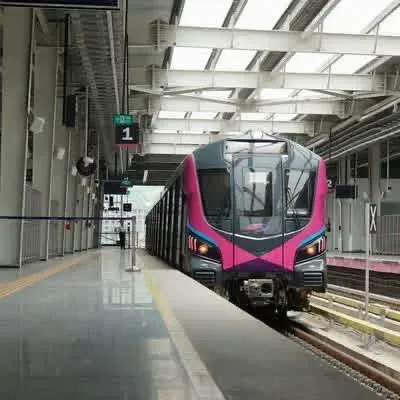
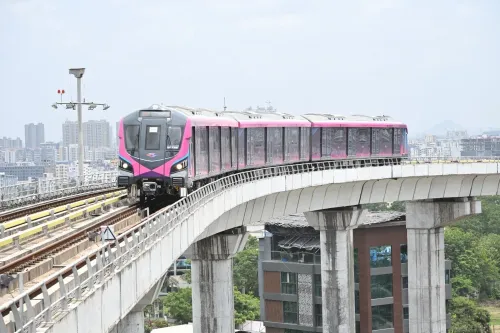
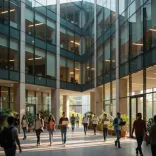
Hinjewadi, located on Pune's north-western fringe, is one of India's most prominent IT and manufacturing destinations, drawing workers from across the city and its satellite towns. Yet it has remained disconnected from Pune's formal rapid-transit spine, leaving lakhs of employees dependent on private vehicles and congested arterial roads. Pune Metro Line 3 is designed to close precisely that gap — linking central Pune with the technology cluster and placing a metro stop within reach of major tech parks for the first time.
The announcement by CM Fadnavis, made via the official Chief Minister's Office of Maharashtra handle on X, underscores the state government's intent to treat the Hinjewadi corridor as a priority economic artery, not just a commuter convenience. Where road infrastructure has strained under the pressure of IT-sector growth, rail offers predictability — and that predictability has real productivity value for the thousands of firms that operate there.
Pune Metro's expanding network — from Phase 1 to Line 3
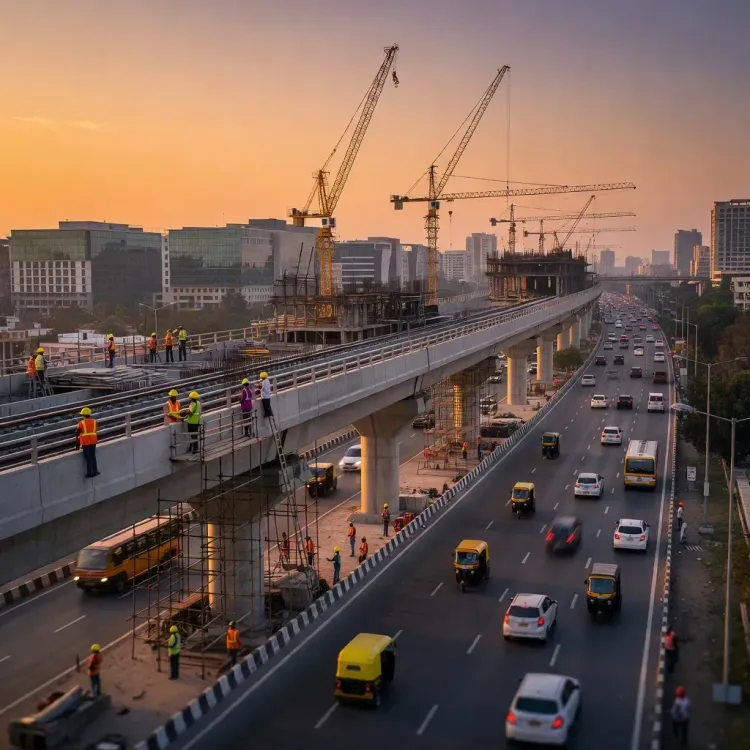
Pune's metro ambitions trace back to 2018, when the Union Cabinet approved Pune Metro Phase 1 — covering Lines 1 and 2 — as part of a broader push to modernise urban mobility in Maharashtra's second-largest city. That approval set civil works in motion and established the institutional machinery for further corridors. Line 3 builds on that foundation, extending the network's reach westward toward the economic zones that Phase 1 did not cover.
Maharashtra has simultaneously pursued metro expansion in Mumbai, making the state one of India's most active metro-construction geographies. The parallel push across both cities reflects a consistent state policy of anchoring economic corridors — whether financial or technological — to rapid-transit infrastructure. Central urban-mobility schemes have provided both fiscal and regulatory tailwinds for this expansion.
What to watch as Line 3 moves forward
The critical milestones ahead include tender awards, land-acquisition progress, and plans for seamless integration with existing bus rapid transit and rail networks already serving Pune. For the IT sector, the more consequential question is timeline: when workers in Hinjewadi can actually board a metro rather than sit in traffic. Those details will determine whether Line 3 becomes a transformative commuter solution or remains, for now, a well-received announcement.
For a city growing faster than its roads can absorb, a metro spine reaching Hinjewadi would not just ease a commute — it would change Pune's urban geography.
Point of View
The CM's office is also signalling political ownership of a project that benefits a large, economically active voter and commuter base in Pune. The absence of construction timelines or funding figures in the announcement, however, keeps the milestone squarely in the category of intent rather than execution. Progress on tenders and land acquisition will be the true test of how quickly this connectivity promise materialises.
NationPress
4 Nov 2026
Frequently Asked Questions
What is Pune Metro Line 3?
Pune Metro Line 3 is a planned metro corridor intended to link central Pune with the Hinjewadi IT and manufacturing cluster on the city's north-western fringe, extending the existing Pune Metro network beyond Phase 1 coverage.
Why is Hinjewadi important for Pune Metro connectivity?
Hinjewadi is one of India's largest technology and manufacturing hubs, employing hundreds of thousands of workers. It has historically lacked direct rapid-transit access, forcing employees to rely on private vehicles and congested roads.
What is the current status of Pune Metro Phase 1?
Pune Metro Phase 1, covering Lines 1 and 2, received Union Cabinet approval in 2018. Line 3 is a subsequent corridor building on the Phase 1 foundation to extend coverage westward.
What did CM Devendra Fadnavis say about Pune Metro Line 3?
CM Devendra Fadnavis stated that Pune Metro Line 3 will boost connectivity to the Hinjewadi IT hub, reaffirming the Maharashtra government's commitment to the corridor.
What are the next steps for Pune Metro Line 3?
Key milestones to watch include tender awards, land acquisition progress, and integration plans with existing Pune bus rapid transit and rail networks to ensure seamless last-mile connectivity.