CM Fadnavis receives ₹11.9 lakh cheque for drought farmers
Synopsis
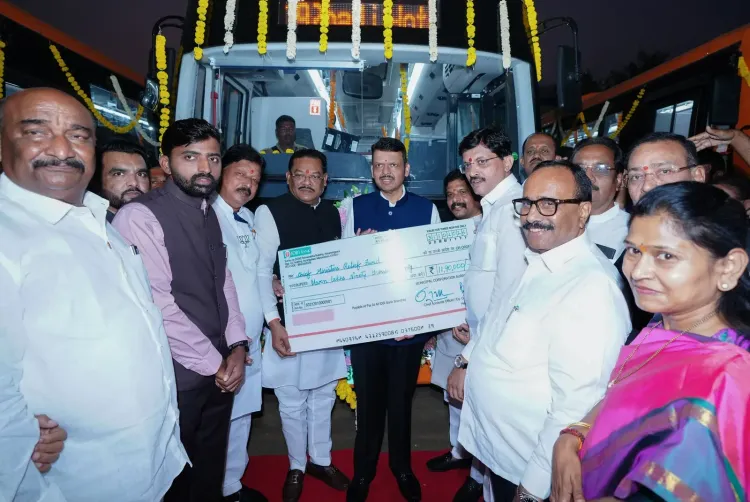
The Chhatrapati Sambhajinagar Municipal Corporation donated ₹11,90,000 to CM Devendra Fadnavis for the Chief Minister's Relief Fund on 1 November 2026, aiding drought-affected farmers in Maharashtra's Marathwada region.
Key Takeaways
₹11,90,000 donated by the Chhatrapati Sambhajinagar Municipal Corporation to the Chief Minister's Relief Fund for drought-affected farmers.
Chief Minister Devendra Fadnavis personally accepted the cheque and thanked the civic body on 1 November 2026 .
Senior officials present included Ministers Atul Save and Sanjay Shirsat , MP Sandipan Bhumare , three MLAs, and Mayor Sameer Rajurkar .
The contribution follows a recurring pattern of Maharashtra's urban local bodies supporting the state's drought-relief architecture in the Marathwada region.
Allocation of funds to specific drought-hit talukas has not yet been announced.
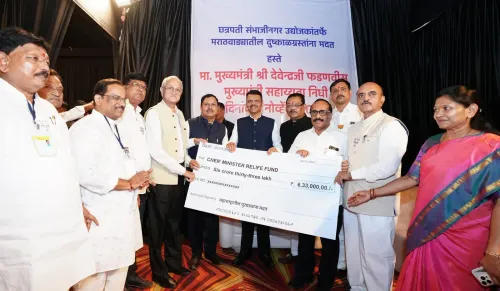
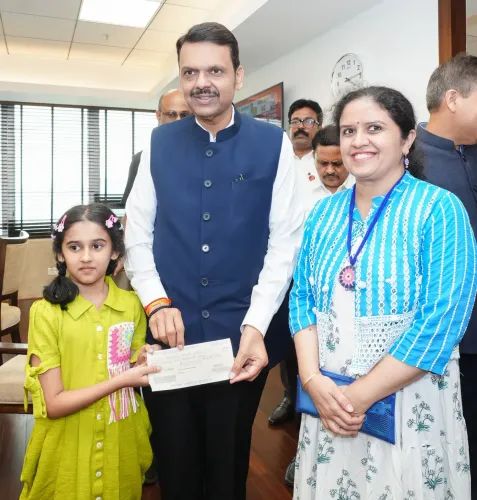
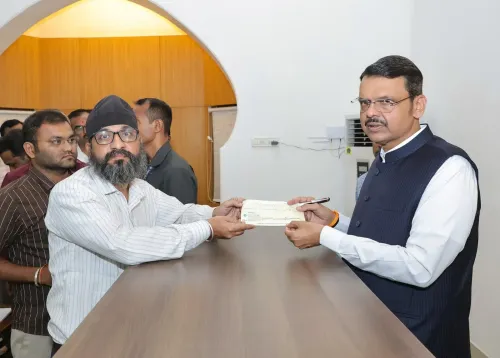
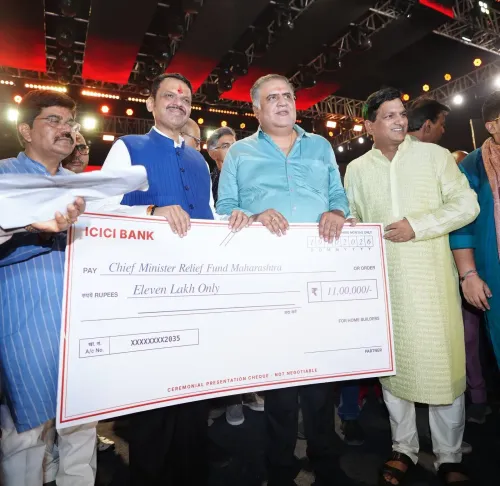
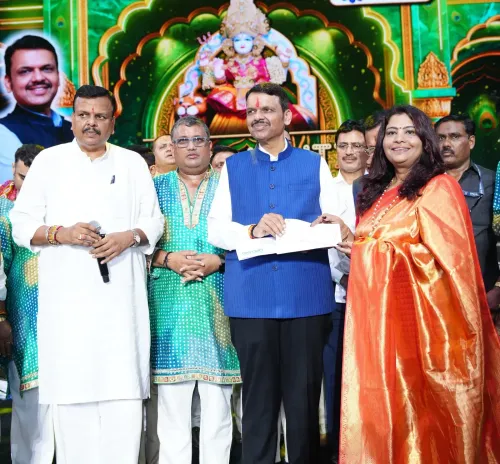
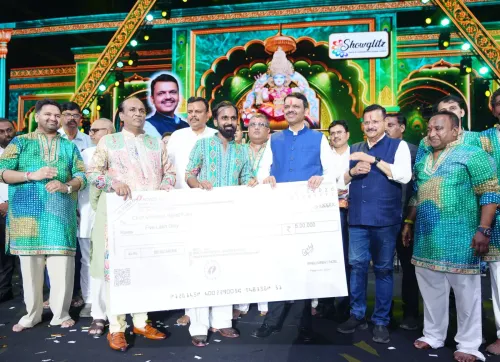
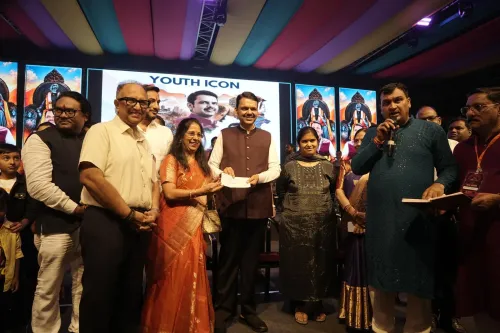
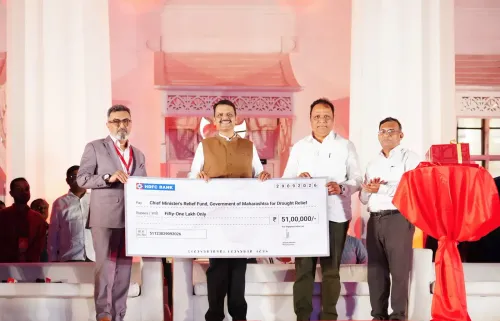
When a city steps up for its farmers, the gesture lands on the Chief Minister's desk as more than a cheque — it lands as a signal. The Chhatrapati Sambhajinagar Municipal Corporation handed over a donation of ₹11,90,000 to the Chief Minister's Relief Fund on Sunday, 1 November 2026, directing the amount toward drought-affected farmers, with Chief Minister's Office of Maharashtra announcing the handover and Chief Minister Devendra Fadnavis personally thanking the civic body for the contribution.
Marathwada's civic body steps into the drought relief chain
Chhatrapati Sambhajinagar, the administrative heart of the Marathwada region, is no stranger to agrarian distress. The city's municipal corporation formalising its contribution through a cheque handover ceremony reflects a pattern well-established in Maharashtra — local civic bodies channelling funds into the state-level relief architecture when drought conditions tighten across the hinterland. CM Fadnavis accepted the cheque and expressed his gratitude to the corporation, acknowledging the inter-governmental coordination the gesture represents.
The ceremony brought together a notable cross-section of elected representatives. Minister Atul Save and Minister Sanjay Shirsat, both from the region, were present alongside MP Sandipan Bhumare, MLA Suhas Shirsath, MLA Narayan Kuche, MLA Anuradha Chavan, and Chhatrapati Sambhajinagar Mayor Sameer Rajurkar. The weight of the gathering underscores that this was not a routine administrative transaction — it carried political and humanitarian visibility.
The Chief Minister's Relief Fund and Maharashtra's drought playbook
The Chief Minister's Relief Fund has historically served as Maharashtra's first-response mechanism during periods of agricultural crisis, particularly in Marathwada — a region that cycles through drought more frequently than most of the state. Contributions from municipal corporations represent one link in a longer chain: civic bodies pool resources, the state aggregates them, and relief is routed to distressed talukas. The ₹11.9 lakh figure, while modest in the context of large-scale drought relief, carries symbolic weight as a demonstration of institutional solidarity from an urban local body toward its rural hinterland.
What happens next matters as much as the donation itself. The specifics — which talukas receive the allocation, how quickly it flows to affected households, and whether other municipal corporations follow Chhatrapati Sambhajinagar's lead — will determine whether this becomes a broader coordinated relief push or remains an isolated gesture. That is the number worth watching.
Point of View
An MP, and three MLAs at what is essentially a cheque handover suggests the government is keen to project coordinated inter-governmental solidarity on farmer welfare. Within Maharashtra's broader political landscape, where agrarian distress in Marathwada remains a persistent pressure point, such visible gestures serve as both relief action and political messaging. The real test will be in the speed and transparency of downstream fund allocation to affected talukas.
NationPress
2 Nov 2026
Frequently Asked Questions
What is the CM Relief Fund in Maharashtra?
The Chief Minister's Relief Fund is a state-level fund in Maharashtra used to provide emergency financial assistance during natural disasters, droughts, and other crises, including direct support to affected farmers.
Why did Chhatrapati Sambhajinagar Municipal Corporation donate to the CM Relief Fund?
The corporation donated ₹11,90,000 specifically to support drought-affected farmers in the region, reflecting a pattern where Maharashtra's urban civic bodies contribute to state relief efforts during agricultural distress.
Who was present at the cheque handover ceremony on 1 November 2026?
Chief Minister Devendra Fadnavis , Ministers Atul Save and Sanjay Shirsat , MP Sandipan Bhumare , MLAs Suhas Shirsath, Narayan Kuche, and Anuradha Chavan , and Mayor Sameer Rajurkar were present.
Is Marathwada frequently affected by drought?
Yes. Marathwada is one of Maharashtra's most drought-prone regions, experiencing recurring agricultural crises that have historically prompted coordinated relief contributions from both state government and local civic bodies.
How will the ₹11,90,000 donated by Chhatrapati Sambhajinagar be used?
The funds are directed into the Chief Minister's Relief Fund for drought-affected farmers. Specific details on which talukas will receive the allocation have not yet been announced.